
Practical farming knowledge, in one place
Articles, guides, SOPs, case studies, videos and research papers — from the AgriBoz team and our verified trainers. Field-tested and reviewed before publishing.
Filter by topic

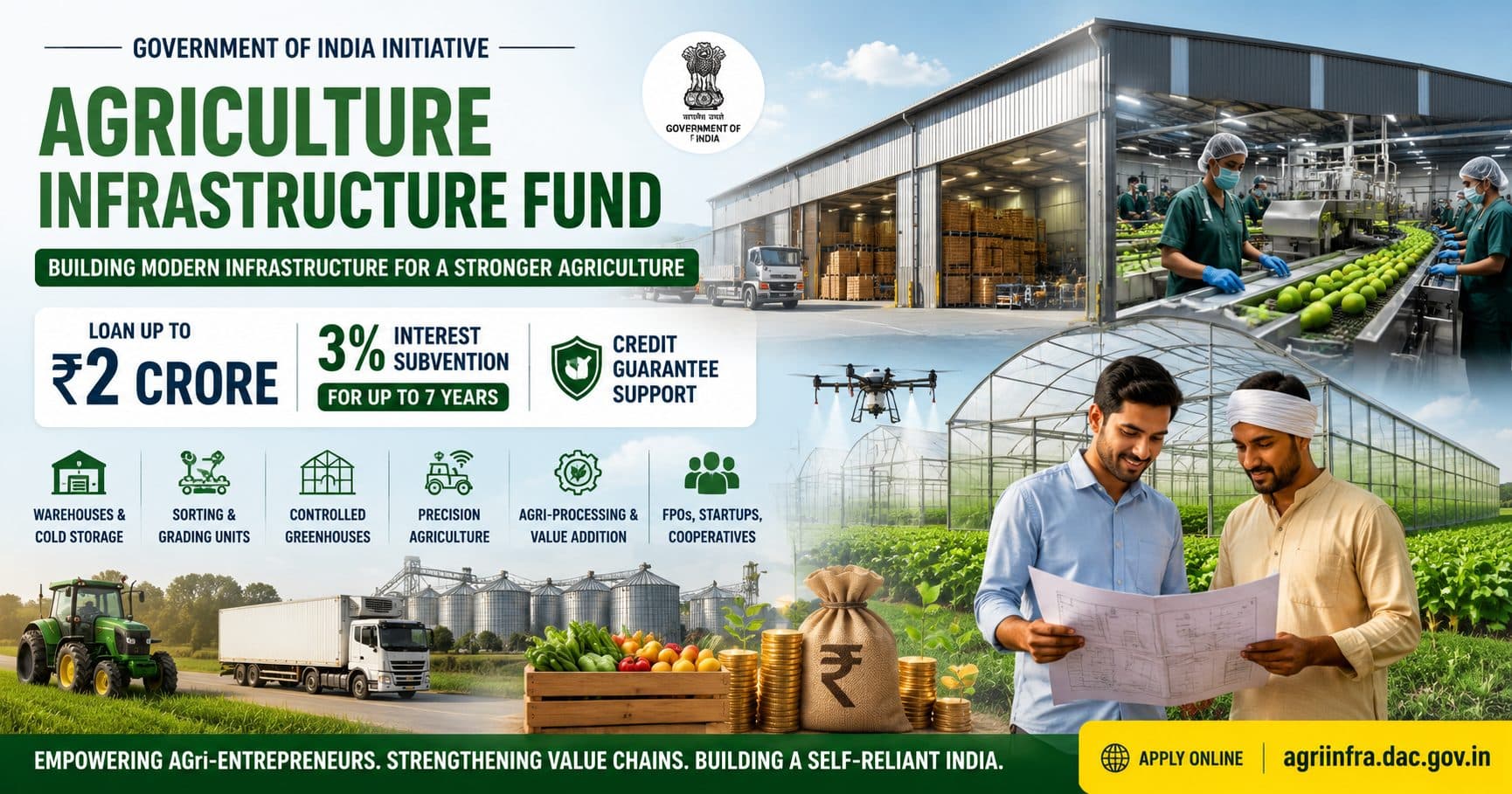
Agriculture Infrastructure Fund (AIF) 2026: Get Up to ₹2 Crore Loan with 3% Interest Subvention for Agri Infrastructure Projects
The Agriculture Infrastructure Fund (AIF) is one of India's most impactful agriculture financing schemes, offering eligible agri-entrepreneurs, startups, FPOs, cooperatives, and infrastructure developers access to loans up to ₹2 crore with a 3% annual interest subvention for up to seven years. Combined with credit guarantee support, the scheme enables investments in warehouses, sorting and grading units, controlled-environment agriculture, precision farming infrastructure, and modern agri-processing facilities across India.

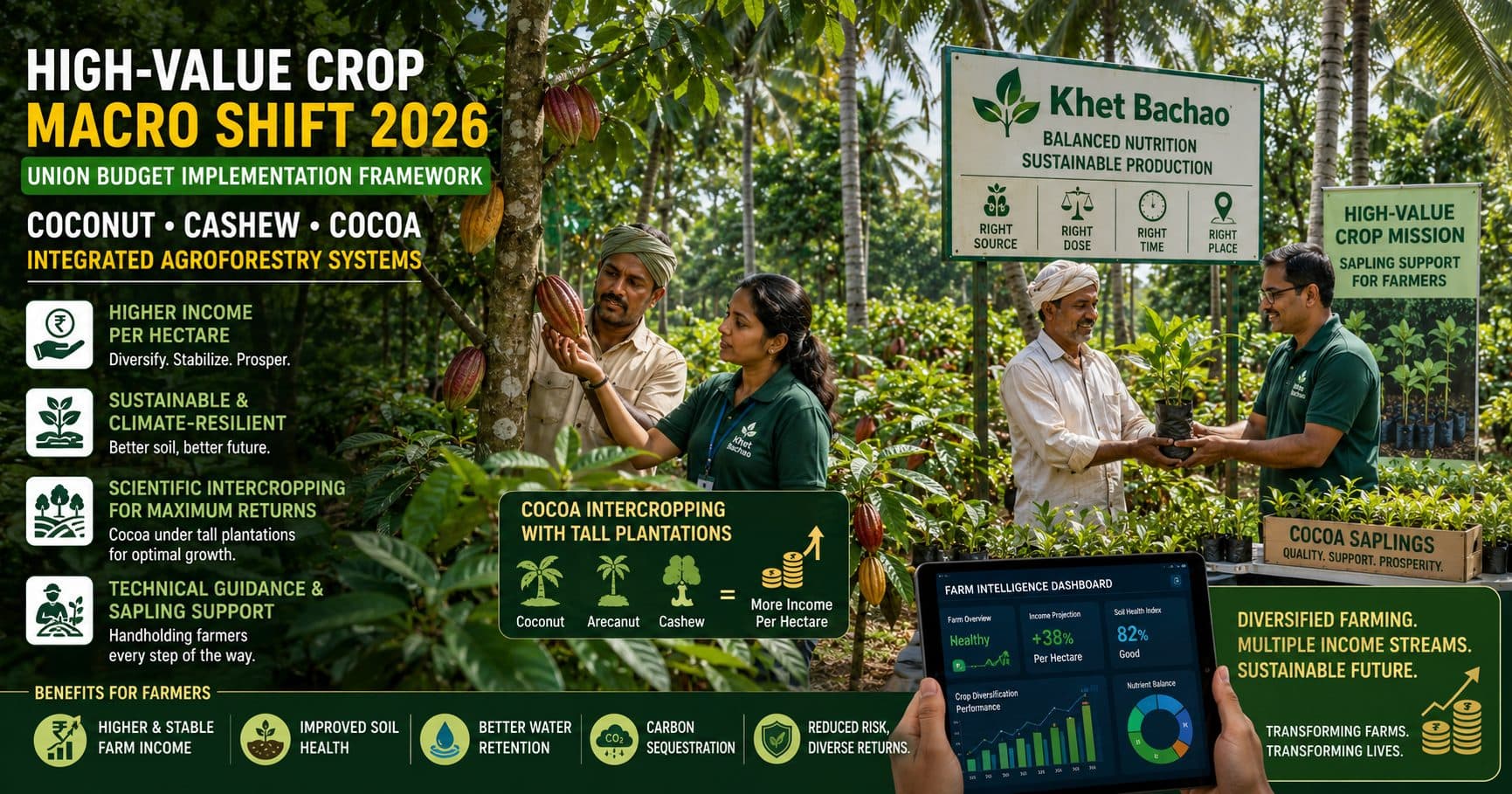
High-Value Crop Revolution 2026: How Cocoa Intercropping and Agroforestry Are Transforming Farm Income
India’s agricultural policy is increasingly focused on high-value crops and integrated agroforestry systems. Under the Union Budget implementation framework, the Ministry of Agriculture is promoting Coconut, Cashew, and Cocoa cultivation through scientific intercropping models, technical assistance, and sapling support programs. This shift aims to maximize income per hectare, improve climate resilience, and create sustainable long-term revenue streams for farmers, FPOs, and agripreneurs.

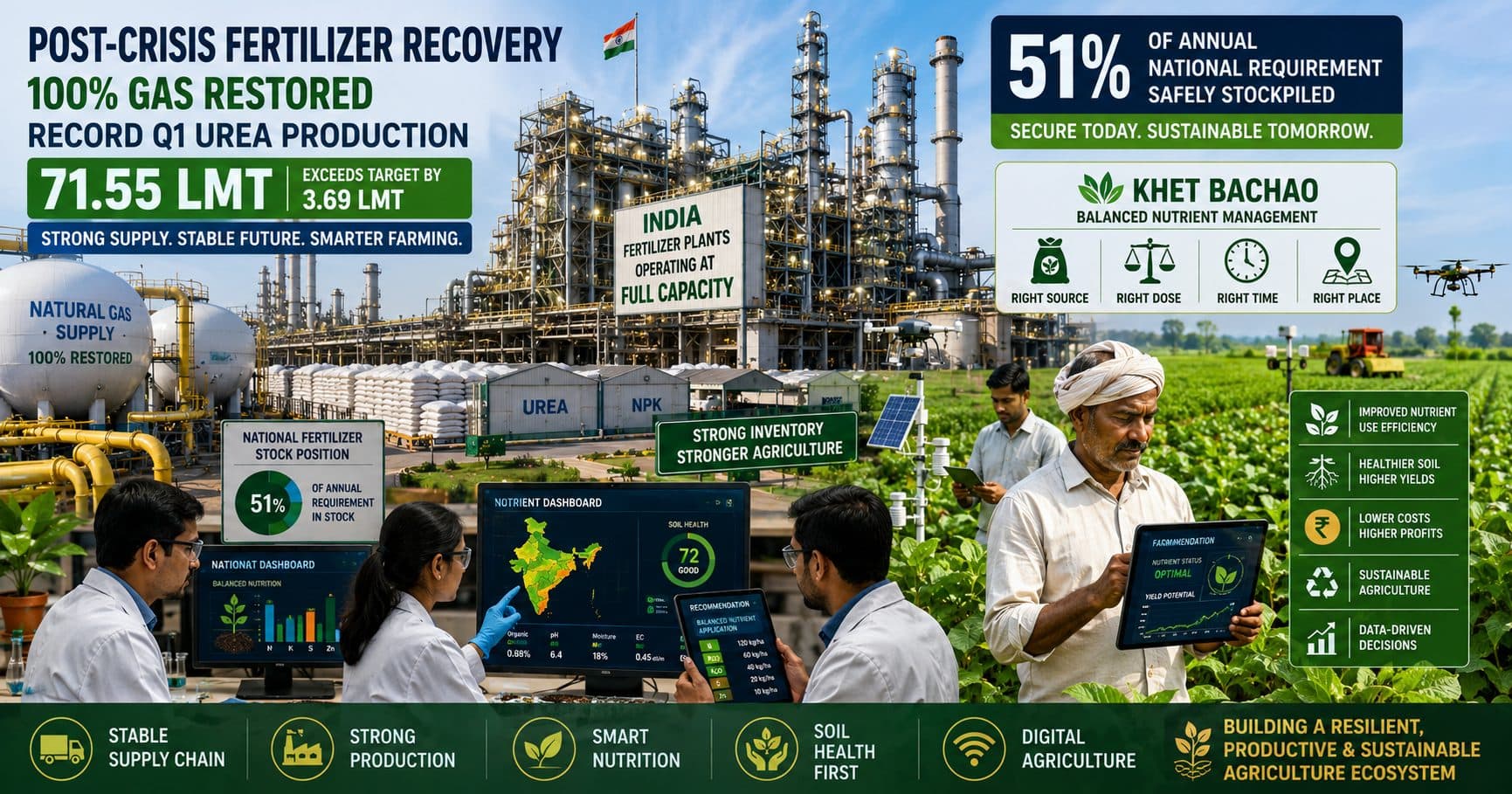
Post-Crisis Fertilizer Recovery: How India’s 100% Gas Restoration and Record Urea Output Are Reshaping Smart Farming
India’s fertilizer sector has entered a new phase of stability following the restoration of 100% natural gas supplies to domestic fertilizer plants. With Q1 FY 2026-27 urea production reaching 71.55 LMT—exceeding targets by 3.69 LMT—and more than 51% of the national annual requirement already stocked, the government is shifting focus from supply security to nutrient efficiency, balanced fertilization, and data-driven agricultural management under Khet Bachao initiatives.

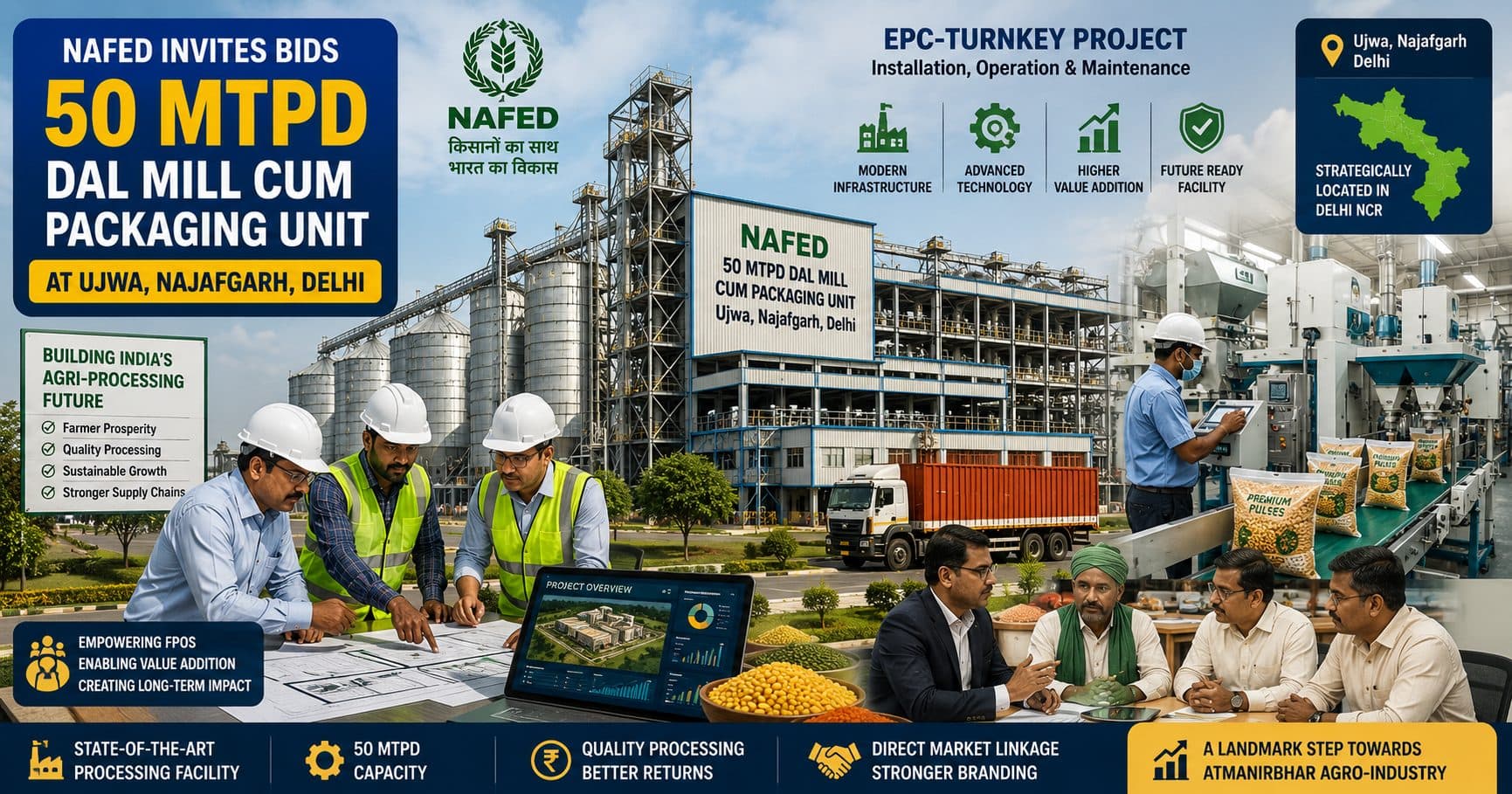
NAFED’s 50 MTPD Najafgarh Dal Mill Tender: A Landmark Agro-Processing Opportunity in Delhi’s Agricultural Corridor
NAFED has invited bids for the establishment of a 50 MTPD Dal Mill cum Packaging Unit at Ujwa, Najafgarh, Delhi on an EPC-Turnkey basis with operation and maintenance responsibilities. This project signals a major investment in agro-processing infrastructure and creates significant opportunities for FPOs, agripreneurs, equipment suppliers, logistics providers, consultants, and agri-tech companies operating within the NCR region. The facility represents one of the most strategically located agricultural processing opportunities within AgriBoz’s immediate ecosystem footprint.

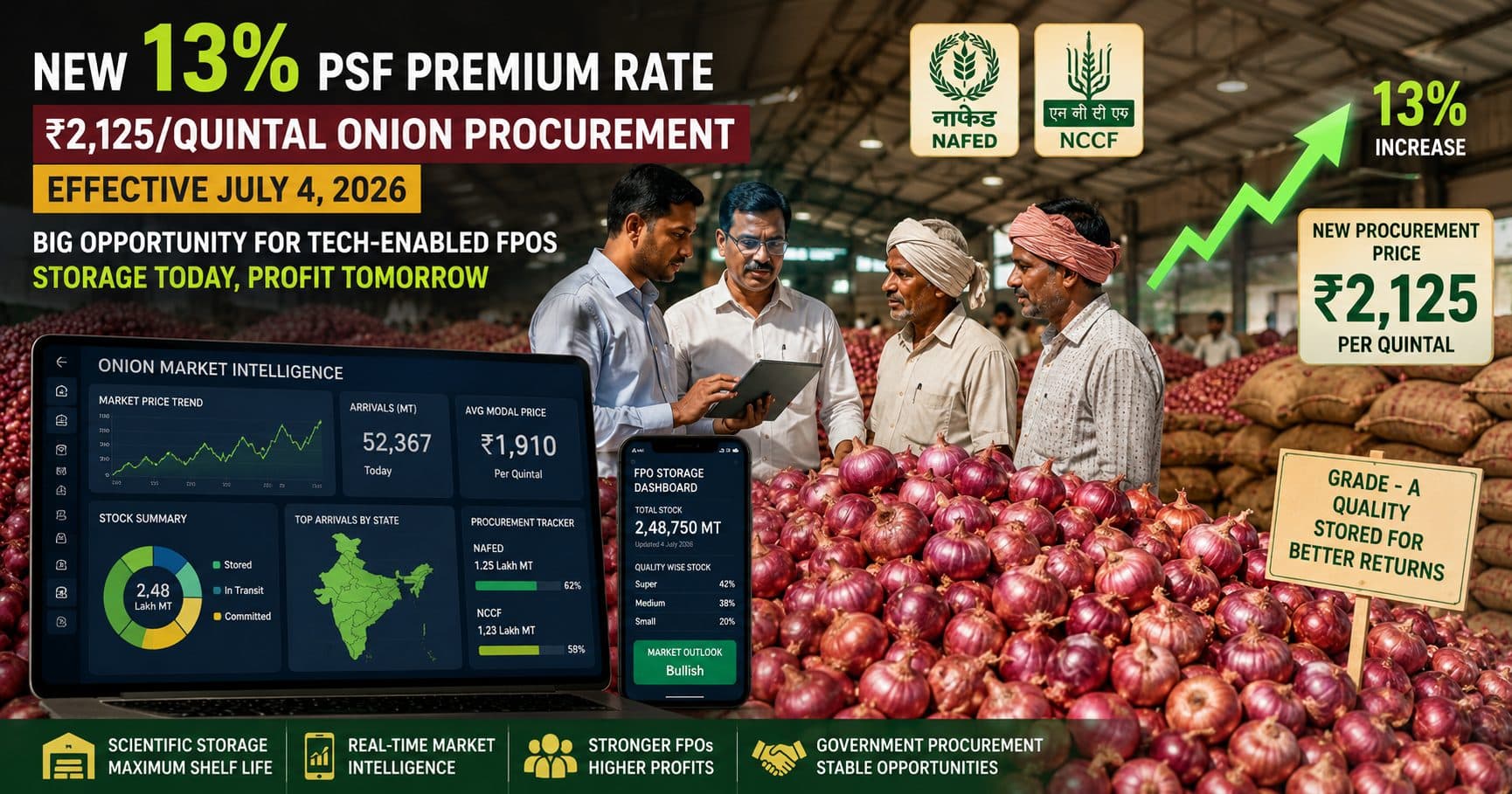
New 13% PSF Premium Rate: How Tech-Enabled FPOs Can Profit from the ₹2,125/Quintal Onion Procurement Opportunity
The Government of India has increased the onion procurement price under the Price Stabilisation Fund (PSF) by 13%, raising it from ₹1,875 to ₹2,125 per quintal effective July 4, 2026. This policy shift creates a significant opportunity for Farmer Producer Organizations (FPOs) with storage infrastructure, digital inventory systems, and market intelligence capabilities to capture higher margins through strategic procurement, storage, and lean-season releases.

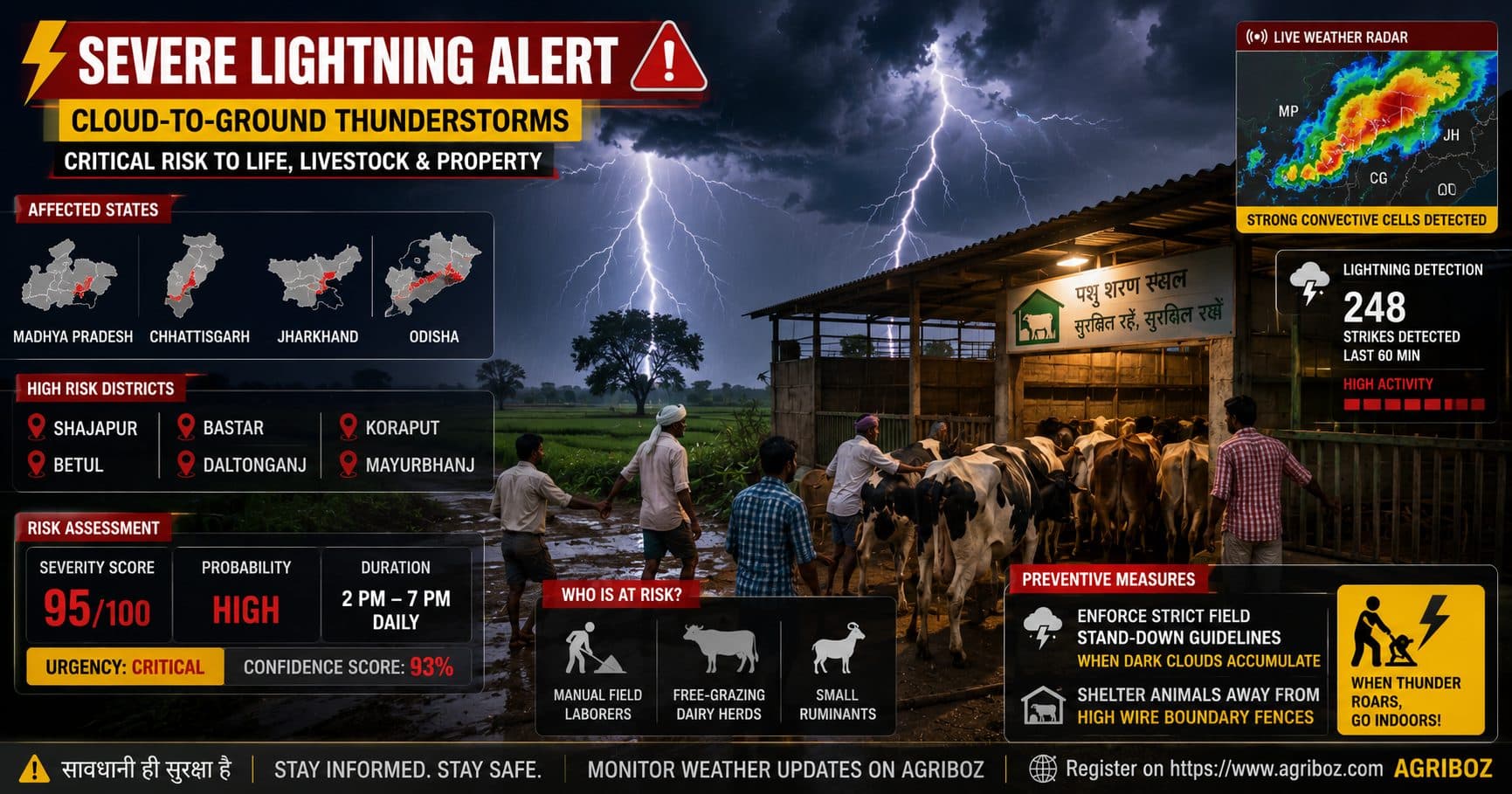
Critical Lightning Alert: Severe Convective Cloud-to-Ground Storm Risk Across MP, Chhattisgarh, Jharkhand and Odisha
A high-risk cloud-to-ground lightning threat has emerged across parts of Madhya Pradesh, Chhattisgarh, Jharkhand, and Odisha during afternoon convective hours. With a severity score of 95/100 and high probability conditions, farmers, agricultural workers, dairy operators, shepherds, and FPOs must implement immediate safety protocols to protect human life and livestock assets.

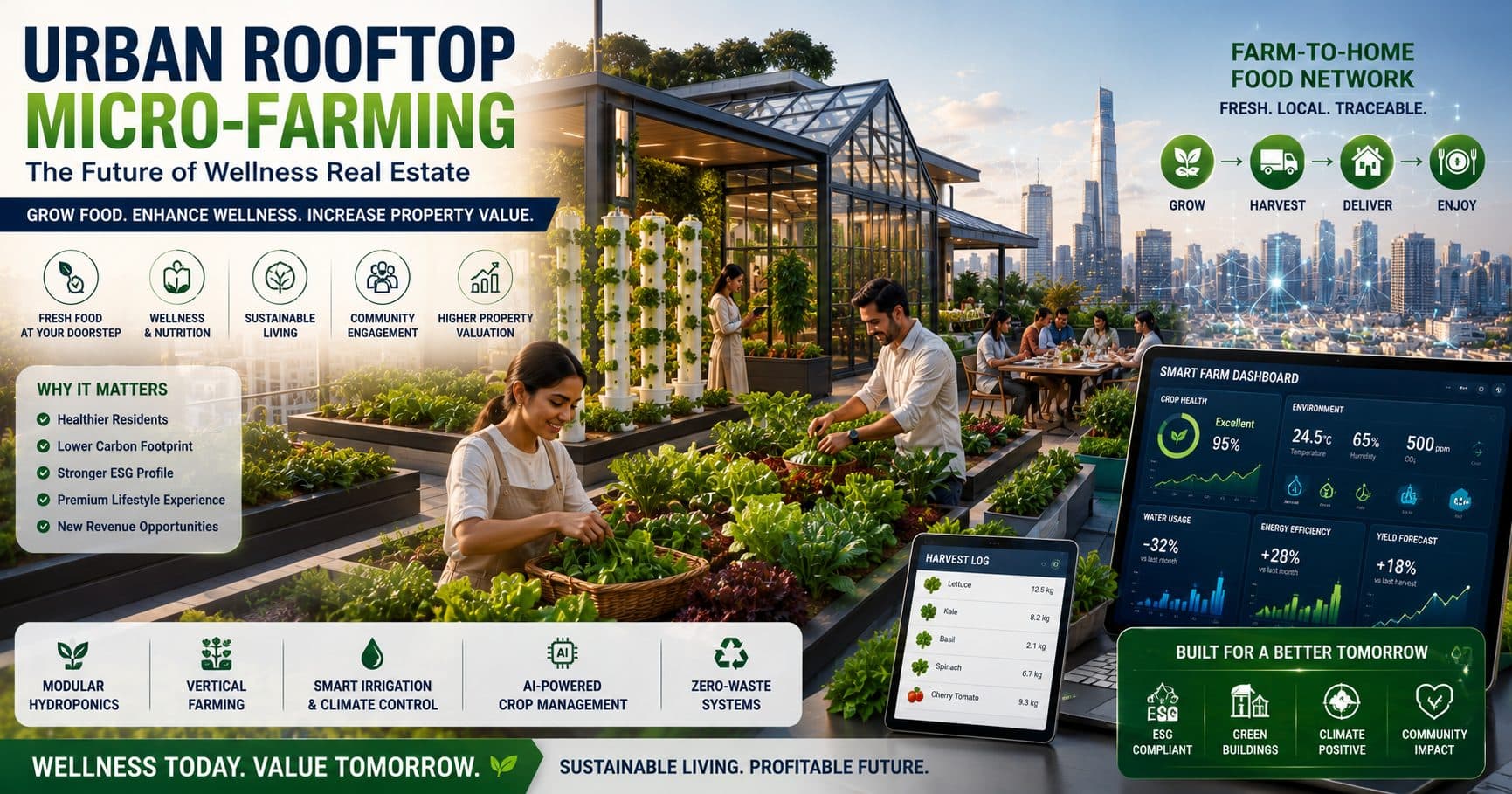
Urban Rooftop Micro-Farming: How Premium Food Production Networks Are Redefining Wellness Real Estate Value
Urban rooftop real estate is rapidly evolving from underutilized infrastructure into a premium revenue-generating asset. High-end modular micro-farming systems integrated into luxury residential developments are creating new forms of wellness-driven value by combining food security, sustainability, community engagement, and lifestyle differentiation. As buyers increasingly prioritize health, environmental responsibility, and experiential living, rooftop food production networks are emerging as a powerful driver of modern real estate valuation and long-term asset appreciation.

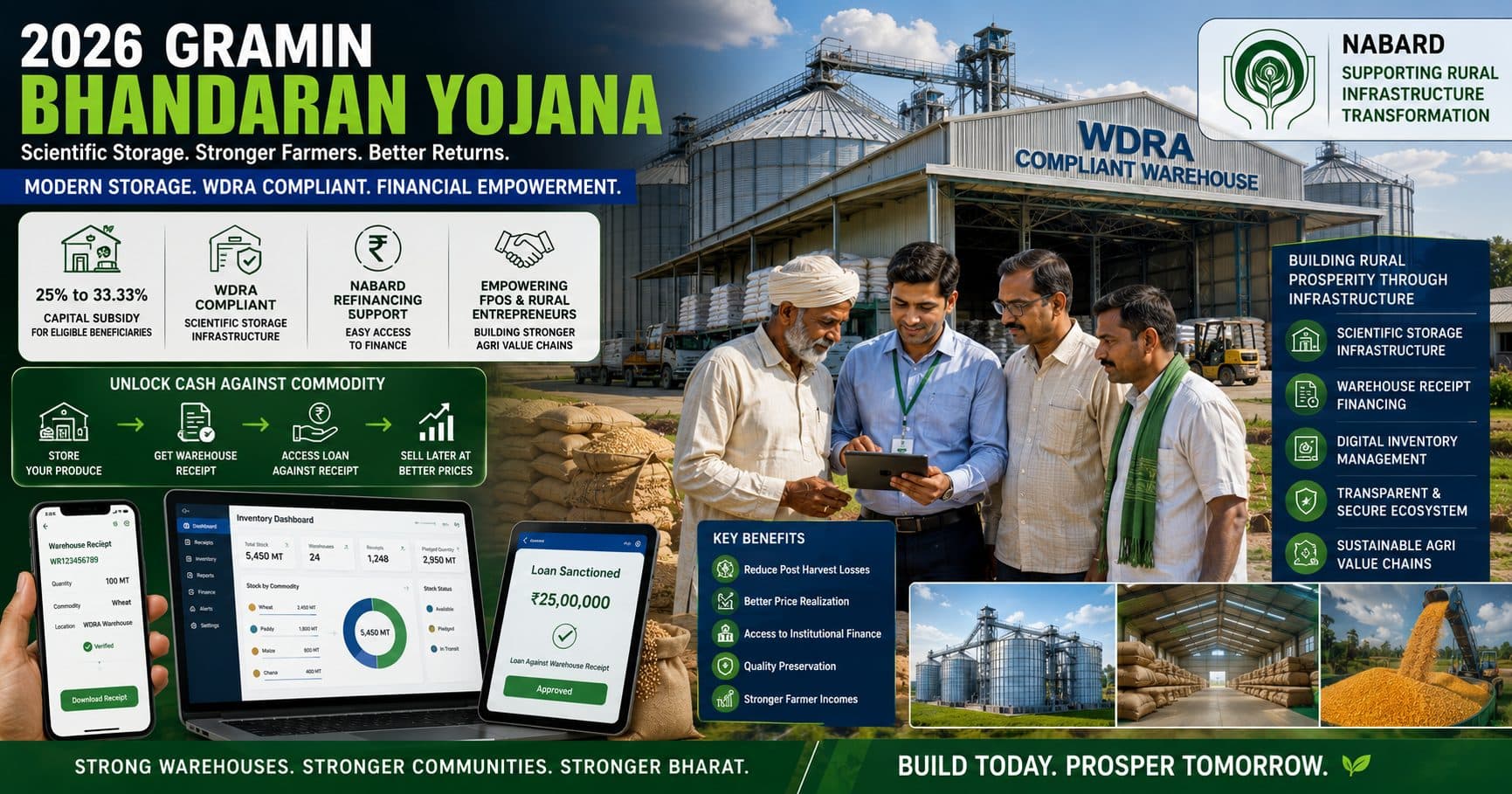
2026 Gramin Bhandaran Yojana Rollout: NABARD-Backed Storage Modernization and WDRA Compliance Opportunity
The 2026 Gramin Bhandaran Yojana rollout is creating new opportunities for Farmer Producer Organizations (FPOs), rural entrepreneurs, cooperatives, and agribusiness operators through enhanced storage infrastructure support. Backed by updated NABARD refinancing frameworks, the initiative promotes modernization of scientific warehouses and rural storage facilities with capital subsidies ranging from 25% to 33.33%. The focus on WDRA-compliant infrastructure could significantly improve commodity financing access, post-harvest management, and farmer liquidity.

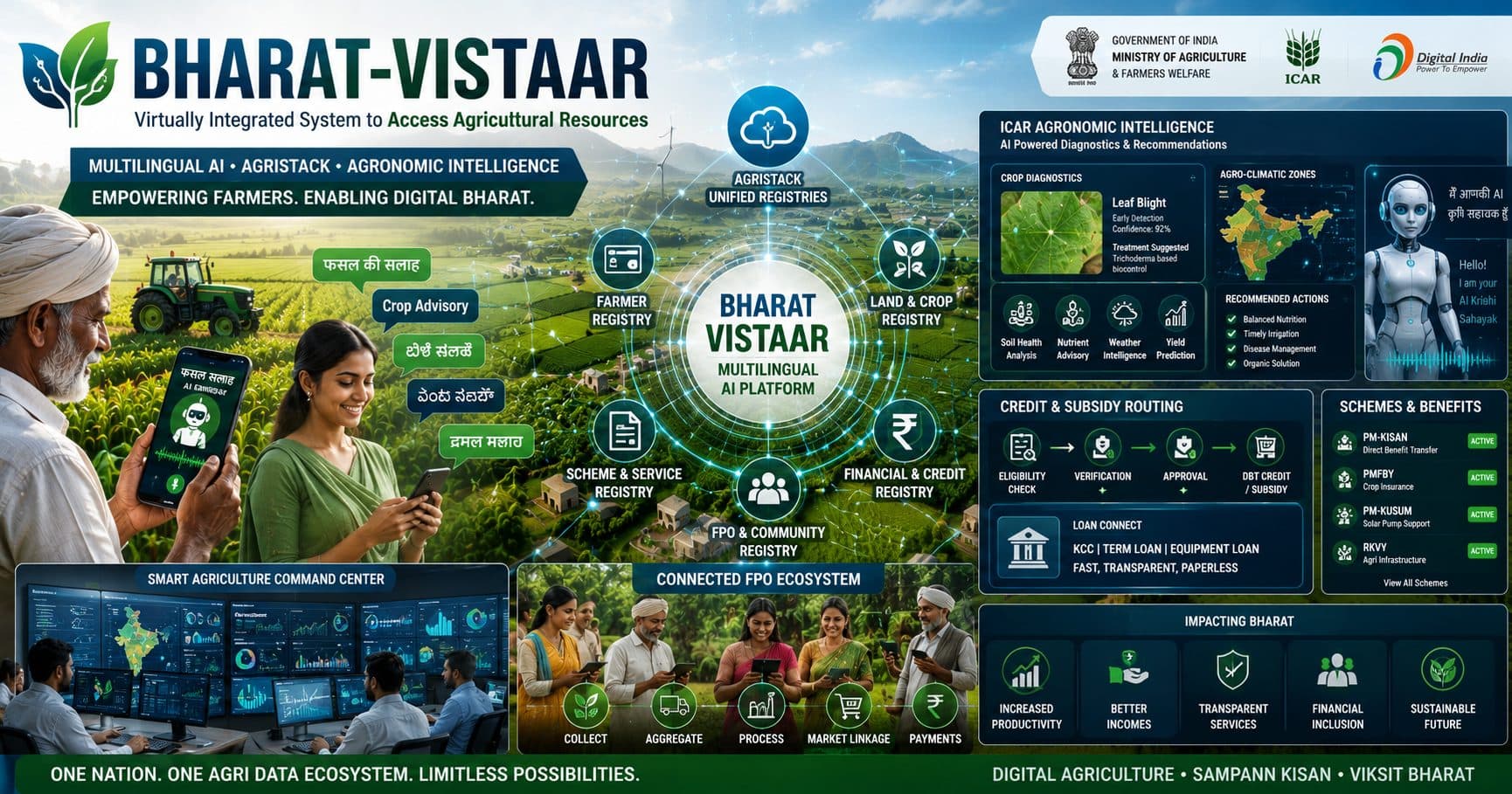
Bharat-VISTAAR Multilingual AI Deployment: How AgriStack Integration is Reshaping India's Agricultural Digital Ecosystem
The Bharat-VISTAAR initiative is emerging as a major digital agriculture infrastructure layer in India by connecting AgriStack registries with ICAR’s agronomic intelligence systems. As multilingual AI-driven agricultural services expand, technology providers operating outside interoperable public agriculture data ecosystems may face reduced access to subsidy, credit, and government-linked service channels. This shift could redefine how farmers, agritech startups, FPOs, lenders, and ecosystem participants engage with agricultural digital infrastructure.

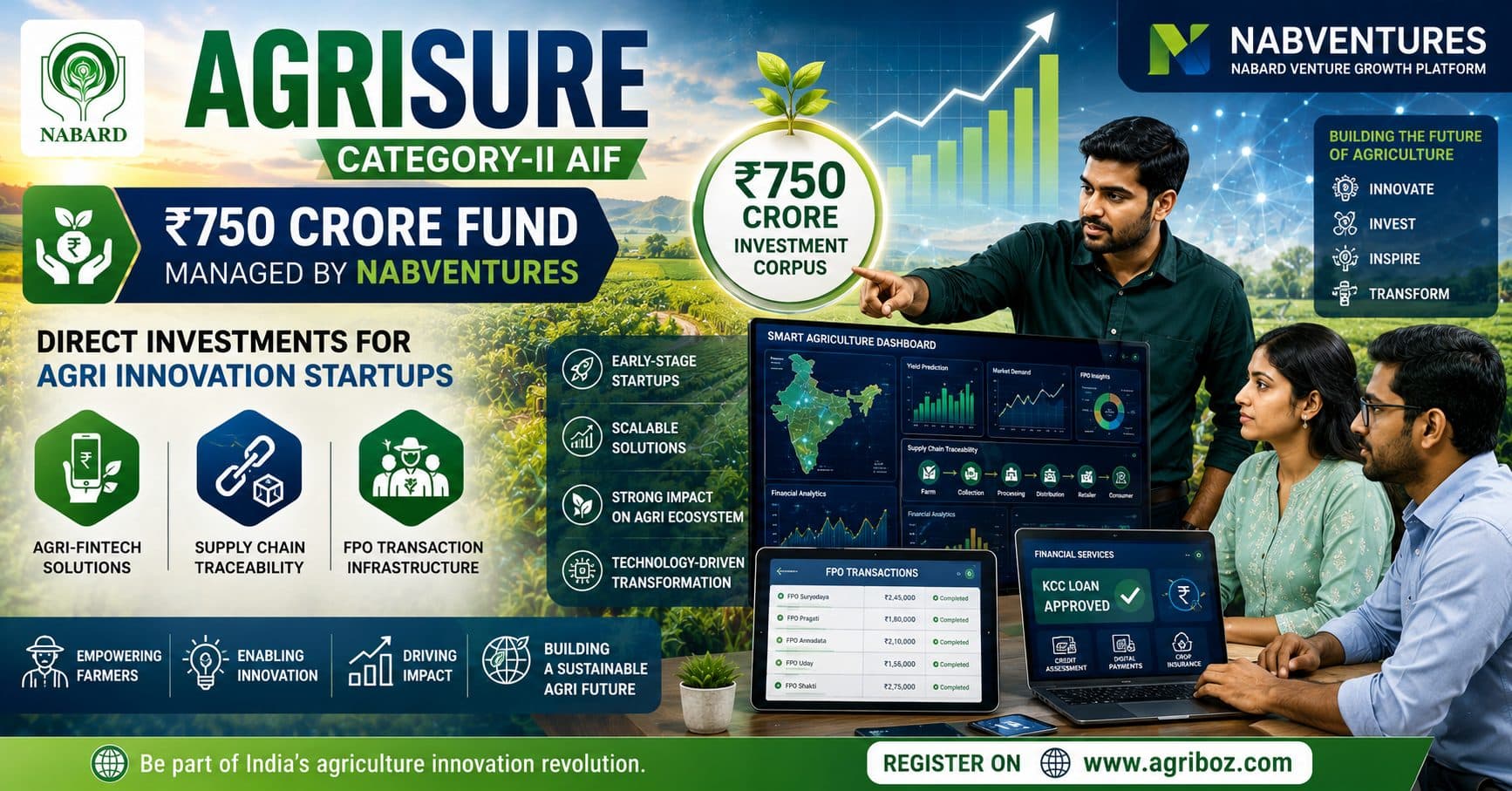
NABARD AgriSURE Direct Scheme Allocations 2026: ₹750 Crore Opportunity for Agri-Fintech, FPO Tech and Supply Chain Startups
The NABARD AgriSURE Category-II Alternative Investment Fund (AIF), managed through NABVENTURES, is advancing its direct investment evaluation track with a ₹750 crore corpus aimed at strengthening India's agricultural innovation ecosystem. Early-stage startups focused on automated agri-fintech solutions, supply chain traceability systems, and FPO transaction infrastructure are emerging as key beneficiaries. This development presents significant opportunities for founders, agri-entrepreneurs, farmer organizations, and technology innovators seeking growth capital and strategic ecosystem support.

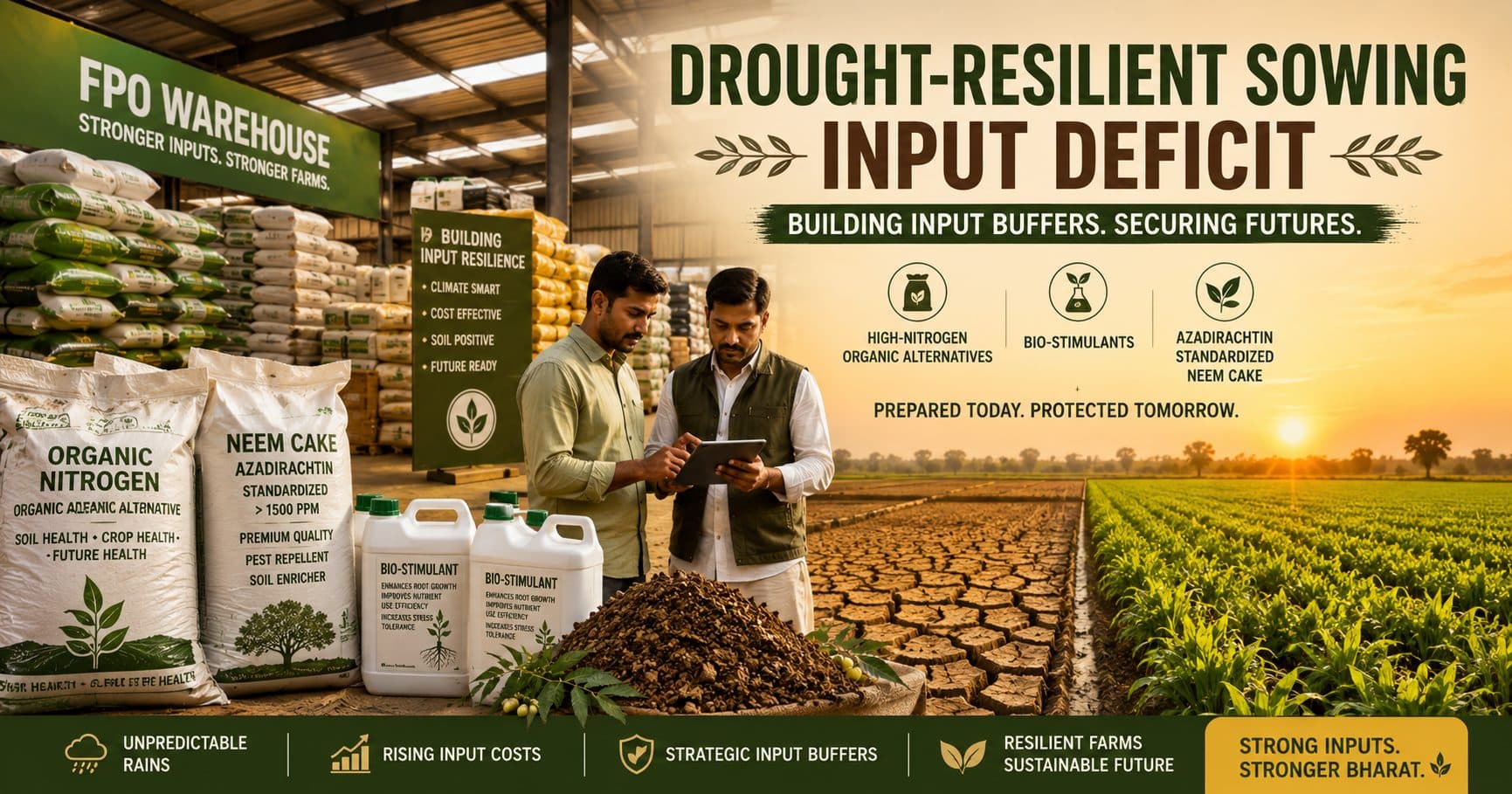
Drought-Resilient Sowing Input Deficit: Why FPOs and Corporate Farms Are Building Massive Organic Input Buffers
As climate uncertainty disrupts sowing decisions and chemical fertilizer prices remain volatile, corporate farming clusters and large Farmer Producer Organizations (FPOs) are increasingly stockpiling high-nitrogen organic inputs, bio-stimulants, and azadirachtin-standardized neem cakes. This strategic shift is creating a new agricultural input economy focused on resilience, soil health, risk mitigation, and sustainable productivity.

Single-Origin Functional Lipids: Why Premium Consumers Are Choosing Wood-Pressed Oils and Bilona A2 Ghee Over Refined Oils
Urban consumers are rapidly shifting away from industrial blended refined oils toward authentic single-origin functional lipids such as wood-pressed mustard oil, wood-pressed sesame oil, and bilona-churned A2 ghee. This transformation is being driven by growing awareness of food authenticity, traditional nutrition, traceability, and clean-label wellness. Discover why premium households are embracing these heritage fats and what this trend means for farmers, processors, and agripreneurs.

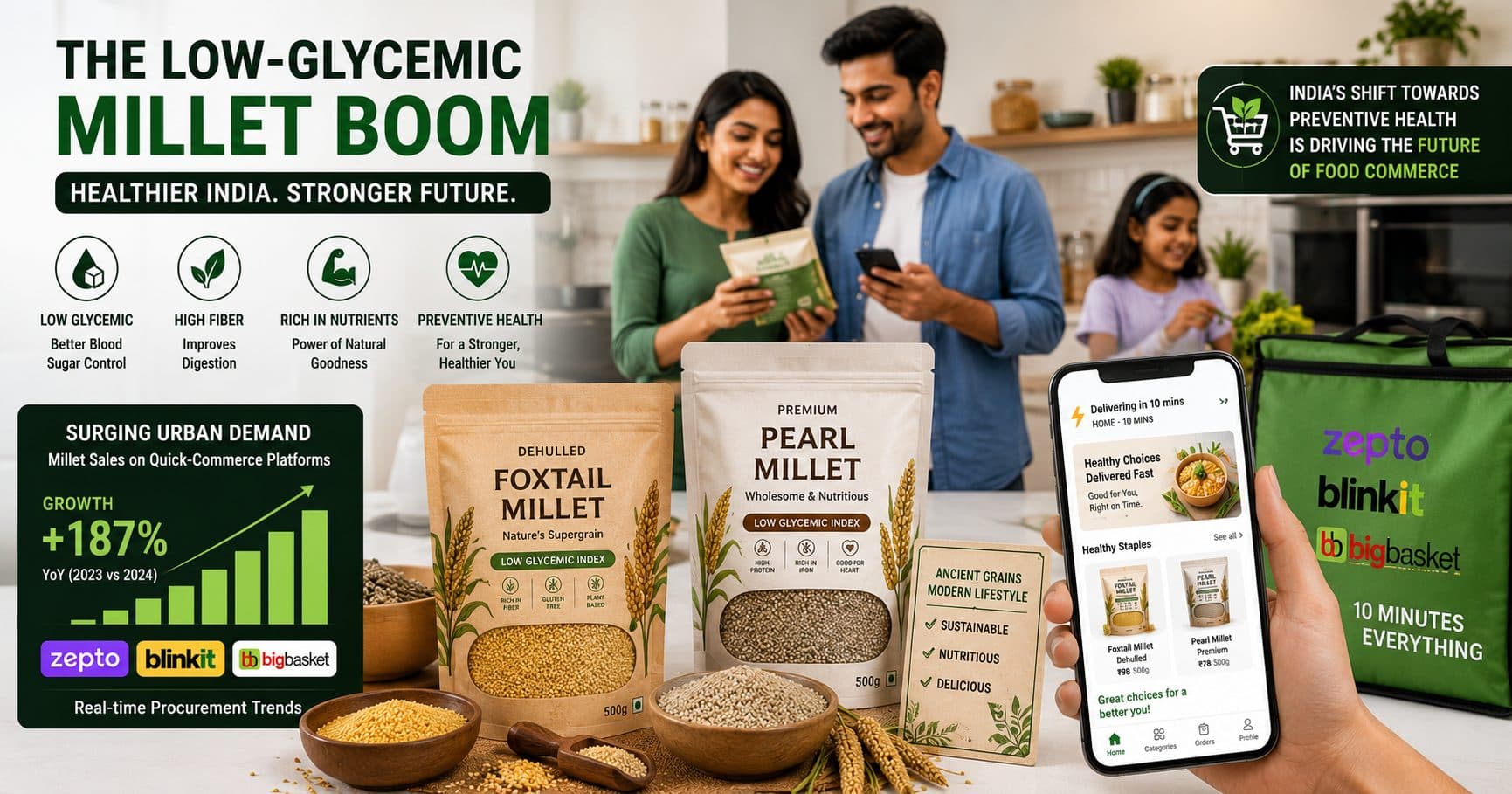
The Low-Glycemic Quick-Commerce Boom: How Millets Are Becoming India’s Next Urban Consumption Megatrend
Real-time procurement trends across leading quick-commerce platforms indicate a structural rise in urban demand for processed ancient grains, particularly dehulled foxtail millet and pearl millet. Driven by growing health awareness, blood sugar management concerns, and preventative nutrition adoption, consumers are increasingly shifting from refined staples toward low-glycemic millet-based alternatives, creating significant opportunities across the agricultural value chain.

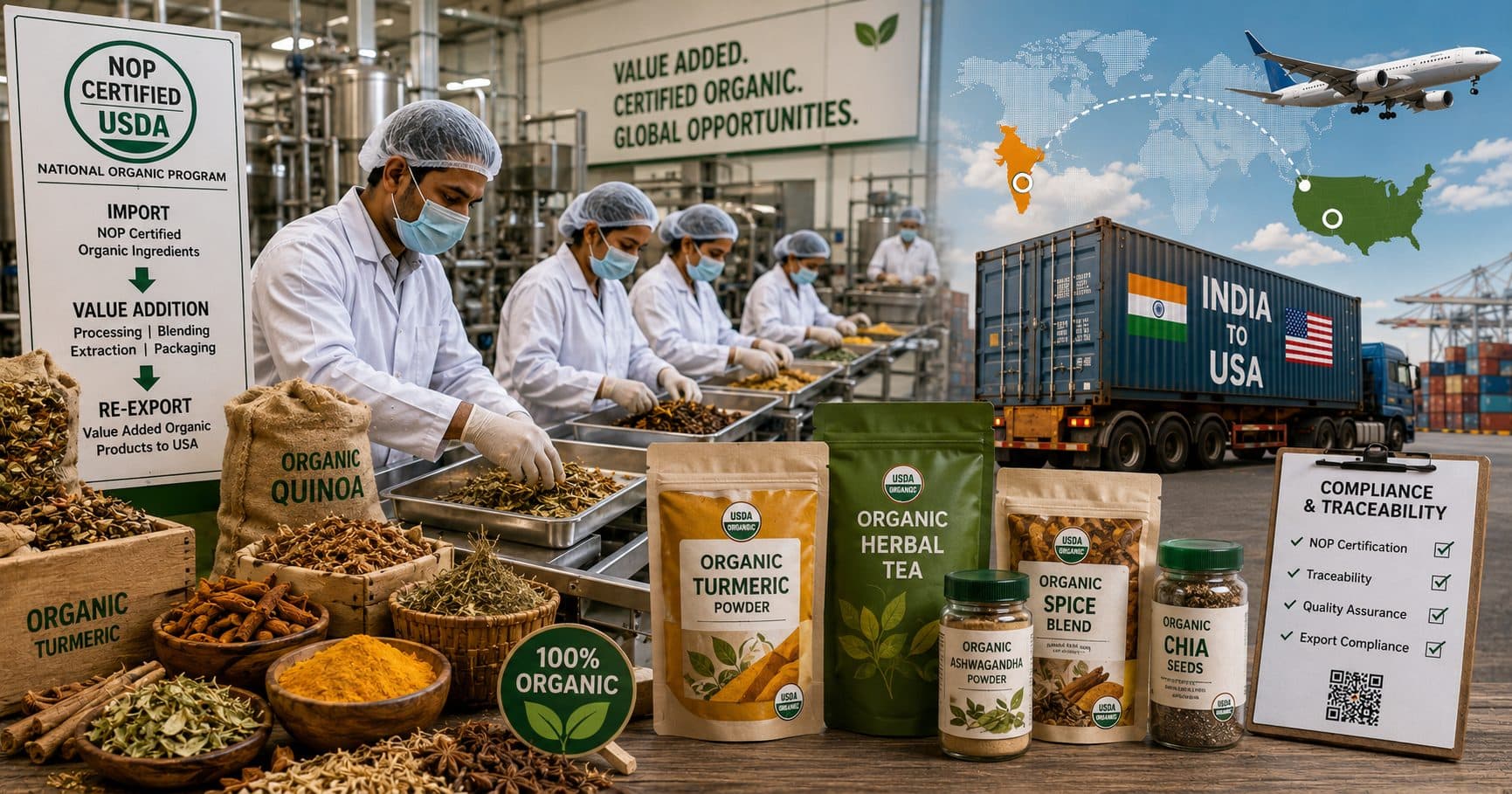
Re-Export Organic Processing Arbitrage: How APEDA’s New NOP Import Framework Creates a High-Margin Export Opportunity
APEDA’s new operational framework allowing the import of USDA National Organic Program (NOP)-certified organic ingredients for value addition and re-export to the United States is creating a powerful regulatory arbitrage opportunity for Indian agri-processors. By combining global organic sourcing with India’s competitive processing ecosystem, exporters can capture higher margins, expand product portfolios, and strengthen their position in premium international organic markets.

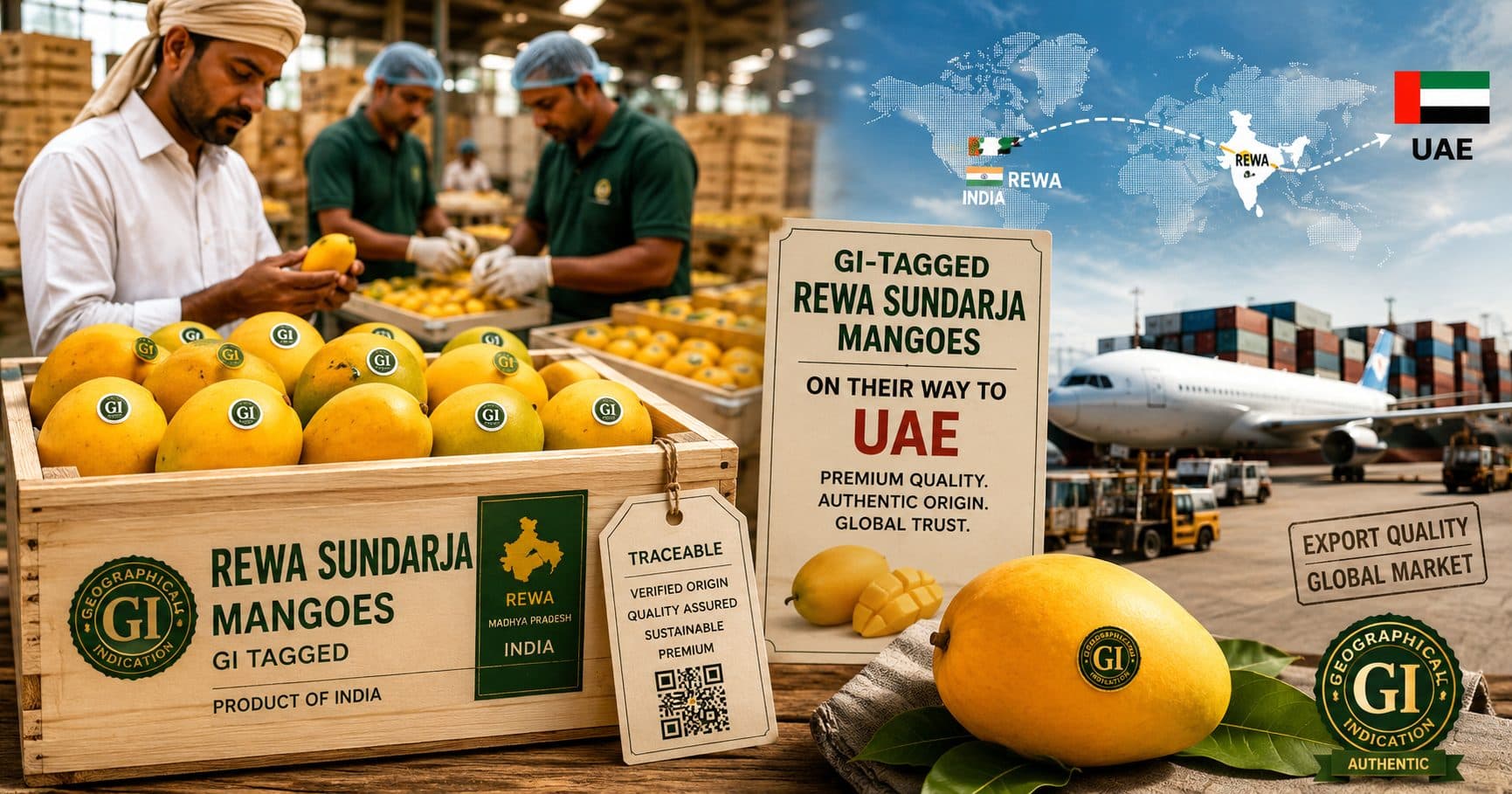
GI-Tagged Rewa Sundarja Mangoes: How Identity-Preserved Exports Are Delivering 50% Higher Farm-Gate Value
The export of GI-tagged Rewa Sundarja Mangoes to the UAE at ₹150 per kg versus a domestic benchmark of ₹100 per kg showcases the commercial power of identity-preserved agriculture. This milestone demonstrates how traceability, regional branding, and geographical indication protection can unlock premium international markets and significantly improve farmer income.

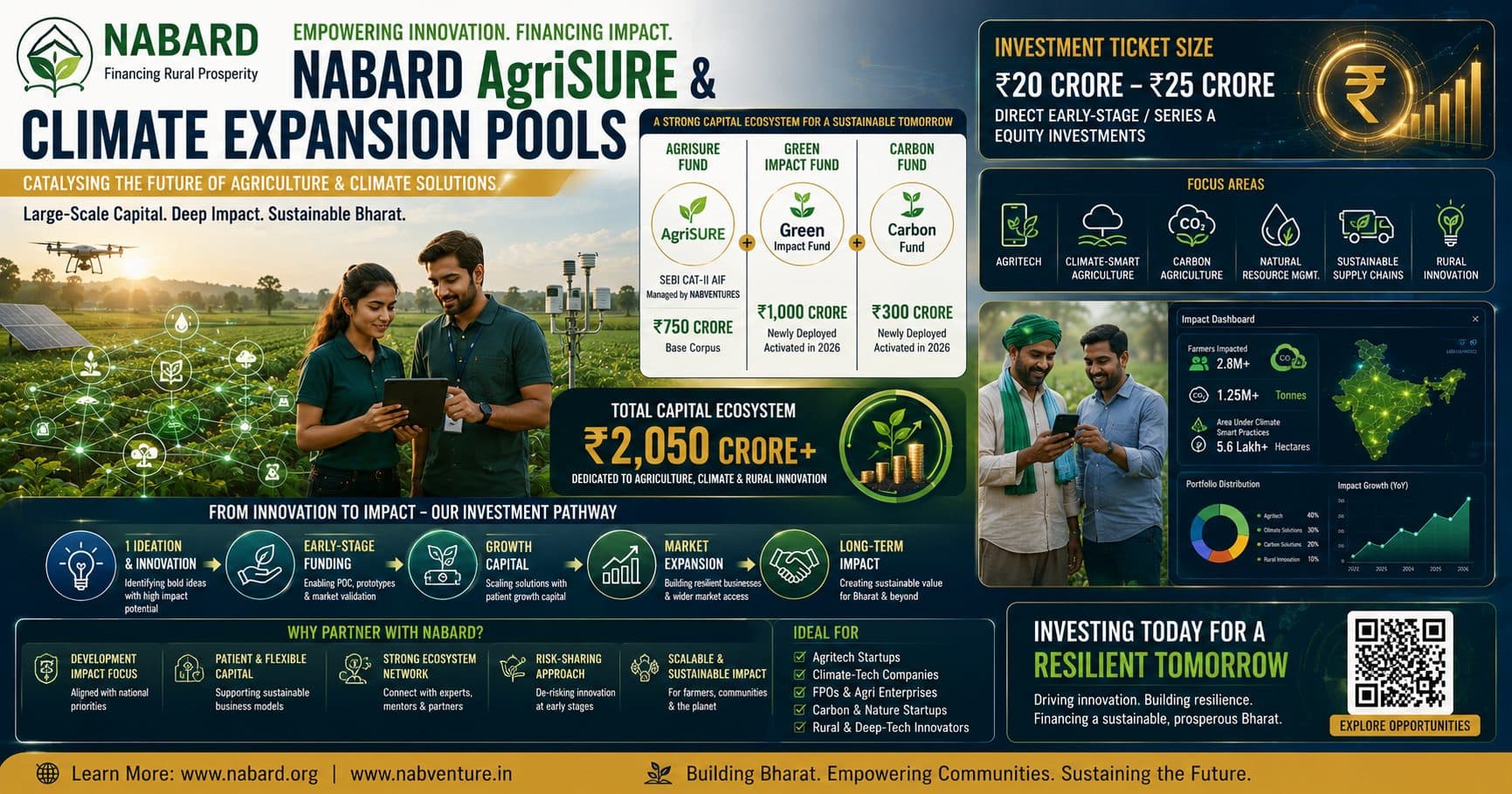
NABARD AgriSURE & Climate Expansion Pools: ₹2,050 Crore Opportunity for Agritech and Climate Innovation Startups
NABARD is significantly expanding its agricultural innovation financing ecosystem through the AgriSURE Fund, Green Impact Fund, and Carbon Fund. Together representing over ₹2,050 crore in capital deployment capacity, these initiatives are creating substantial opportunities for agritech, climate-tech, carbon agriculture, and sustainable rural development ventures.

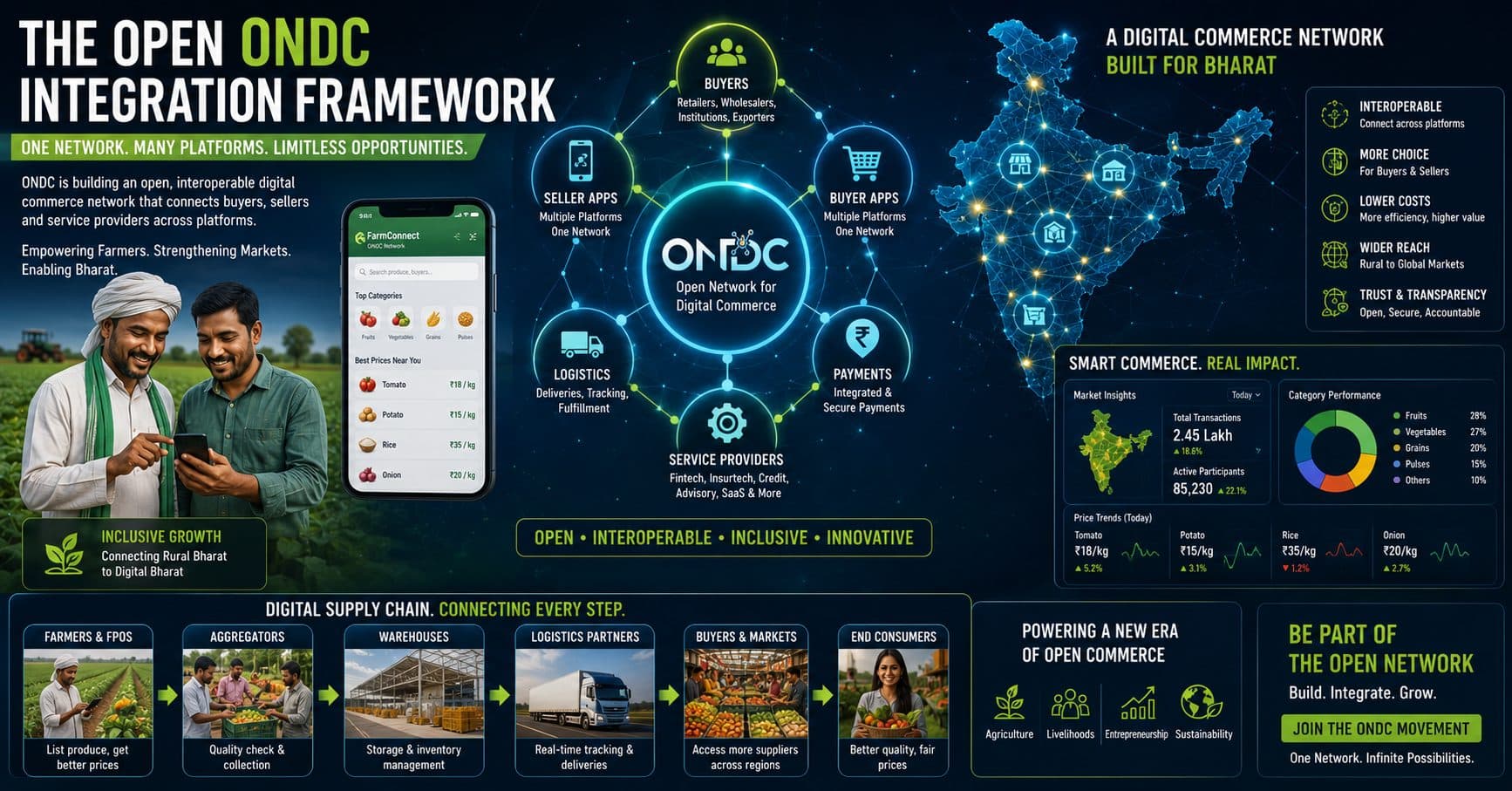
The Open ONDC Integration Framework: Transforming Digital Commerce for Agriculture and Rural Bharat
The Open ONDC Integration Framework is reshaping India's digital commerce landscape by enabling interoperable marketplaces, reducing platform dependency, and creating new growth opportunities for farmers, agribusinesses, FPOs, startups, and rural enterprises. Discover how ONDC is building the future of open digital commerce.

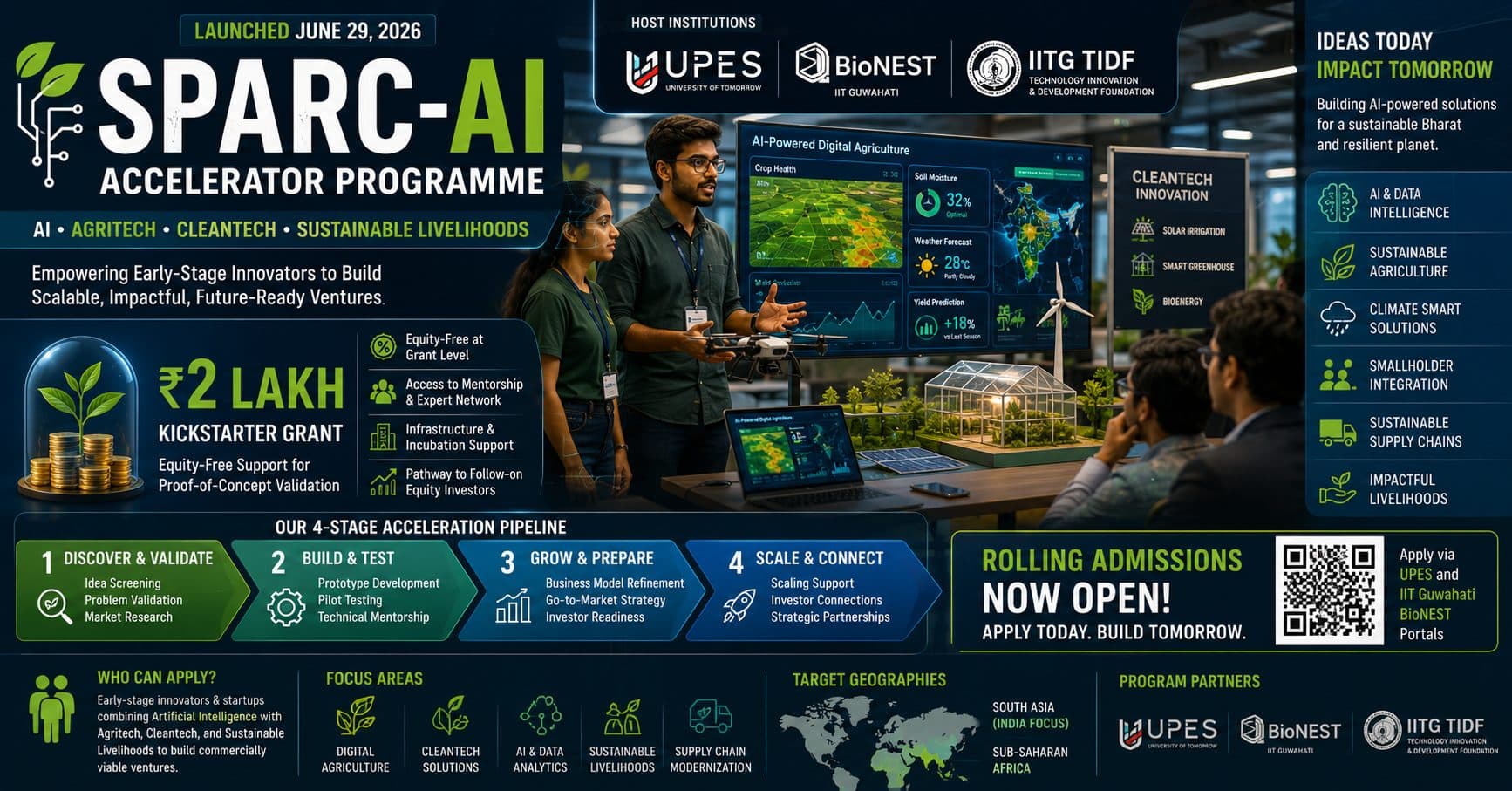
SPARC-AI Accelerator Programme 2026: ₹2 Lakh Equity-Free Grants for AI, Agritech and Cleantech Startups
The SPARC-AI Accelerator Programme, launched on June 29, 2026, offers ₹2 lakh equity-free kickstarter grants and a structured four-stage acceleration pathway for innovators building AI-powered solutions in agritech, cleantech, and sustainable livelihoods. The programme is jointly supported by UPES, IIT Guwahati BioNEST, and IITG TIDF.

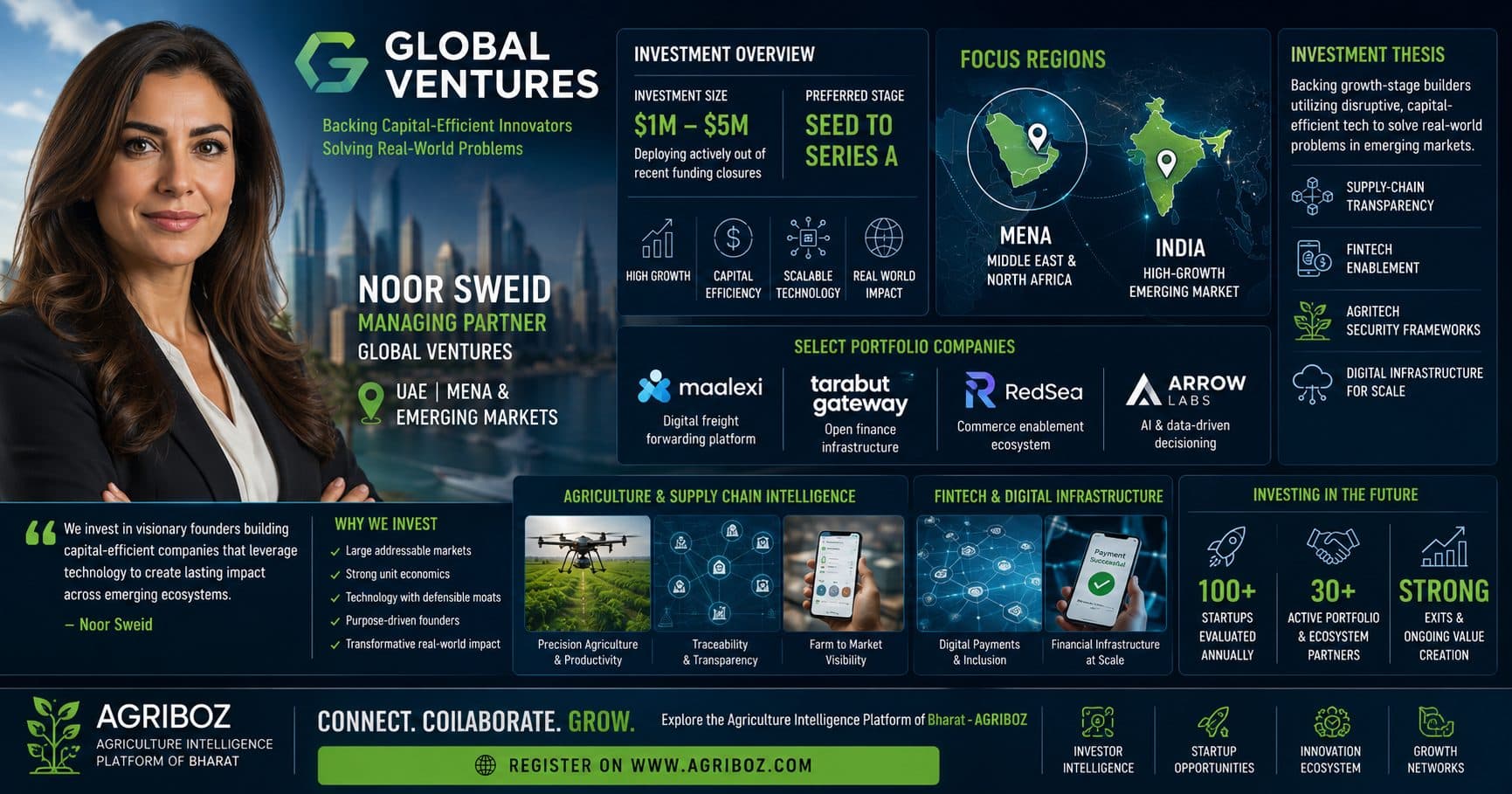
Global Ventures Expands Emerging Market Focus with Strategic Interest in Agritech, Supply Chain Intelligence and Fintech Innovation
Led by Managing Partner Noor Sweid, Global Ventures continues deploying capital across emerging markets with investments ranging from $1 million to $5 million. The UAE-based venture capital firm is actively backing capital-efficient startups solving real-world challenges in agritech, supply chain transparency, fintech infrastructure, and digital transformation.

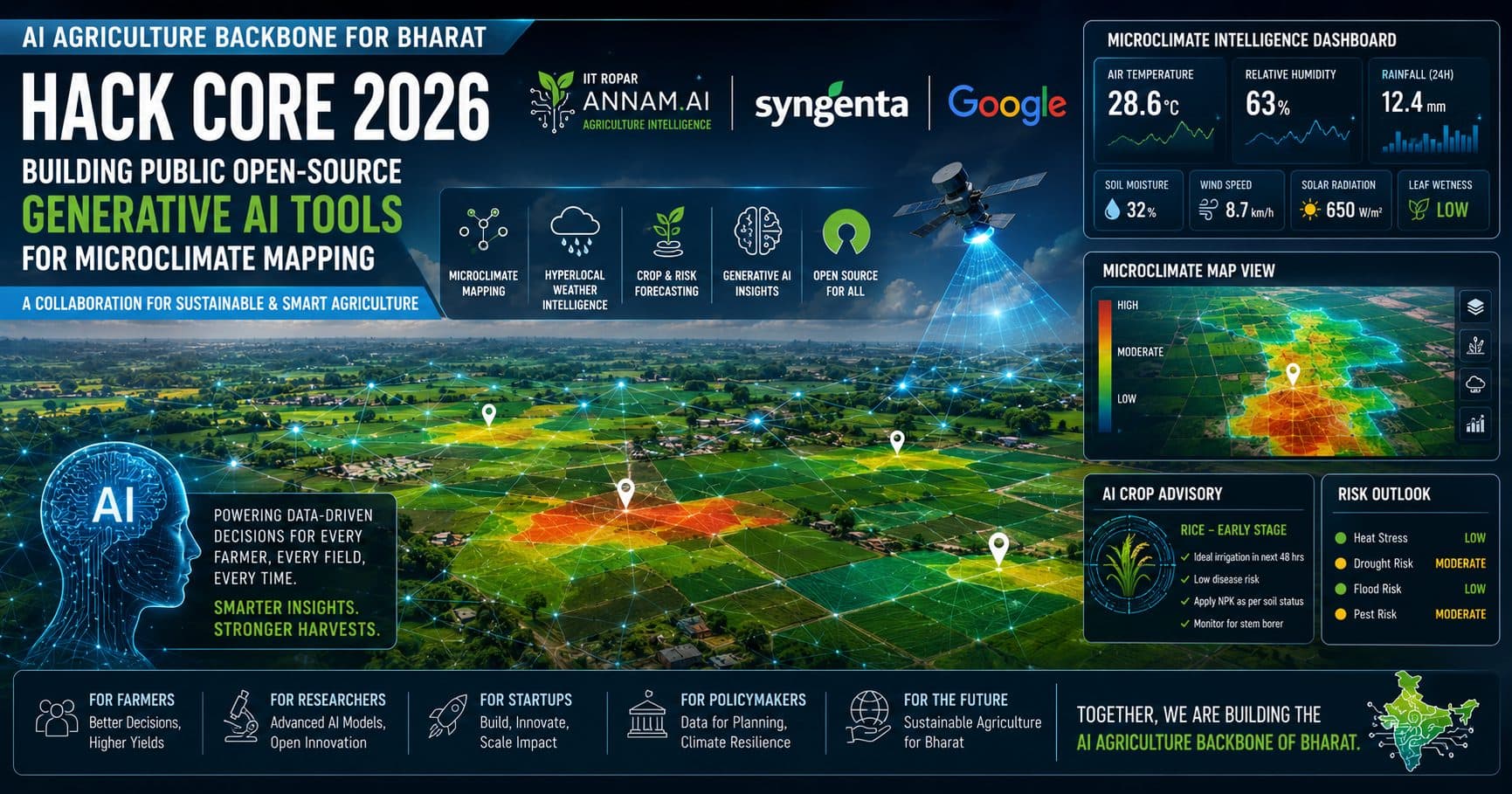
AI Agriculture Backbone: ANNAM.AI, Syngenta and Google Launch HACK CORE 2026 for Microclimate Intelligence
A major leap toward AI-powered agriculture has emerged with the launch of HACK CORE 2026 by IIT Ropar's ANNAM.AI, Syngenta, and Google. The initiative aims to develop public open-source generative AI tools for microclimate mapping, enabling precision farming, localized weather intelligence, and data-driven agricultural decision-making across Bharat.

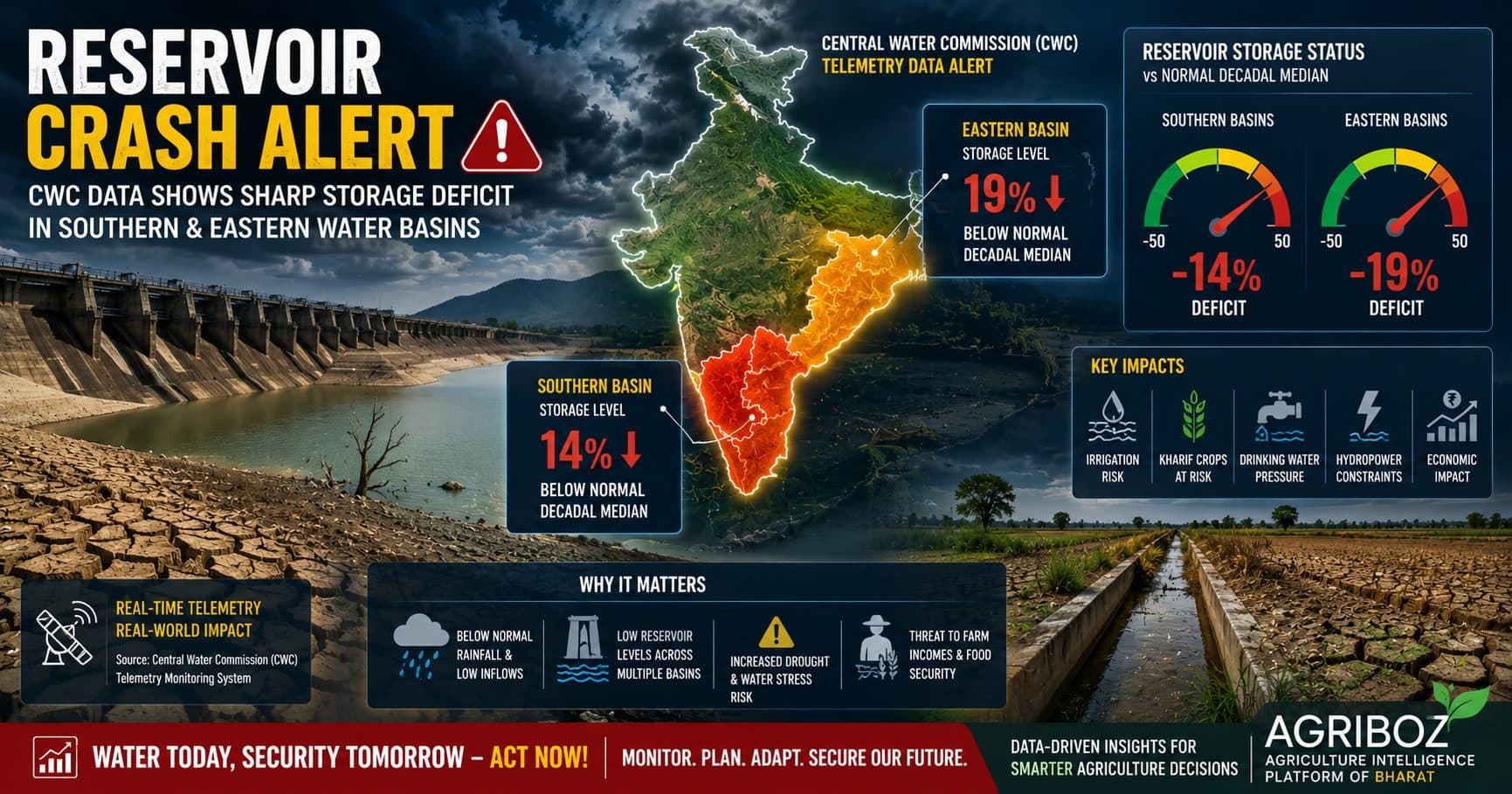
Reservoir Crash Alert: Southern and Eastern Water Basins Fall Sharply Below Decadal Storage Levels
Central Water Commission telemetry data reveals a significant reservoir storage deficit across India's Southern and Eastern water basins. With storage levels falling 14% and 19% below normal decadal medians, concerns are growing over irrigation security, Kharif crop performance, and regional water resilience.

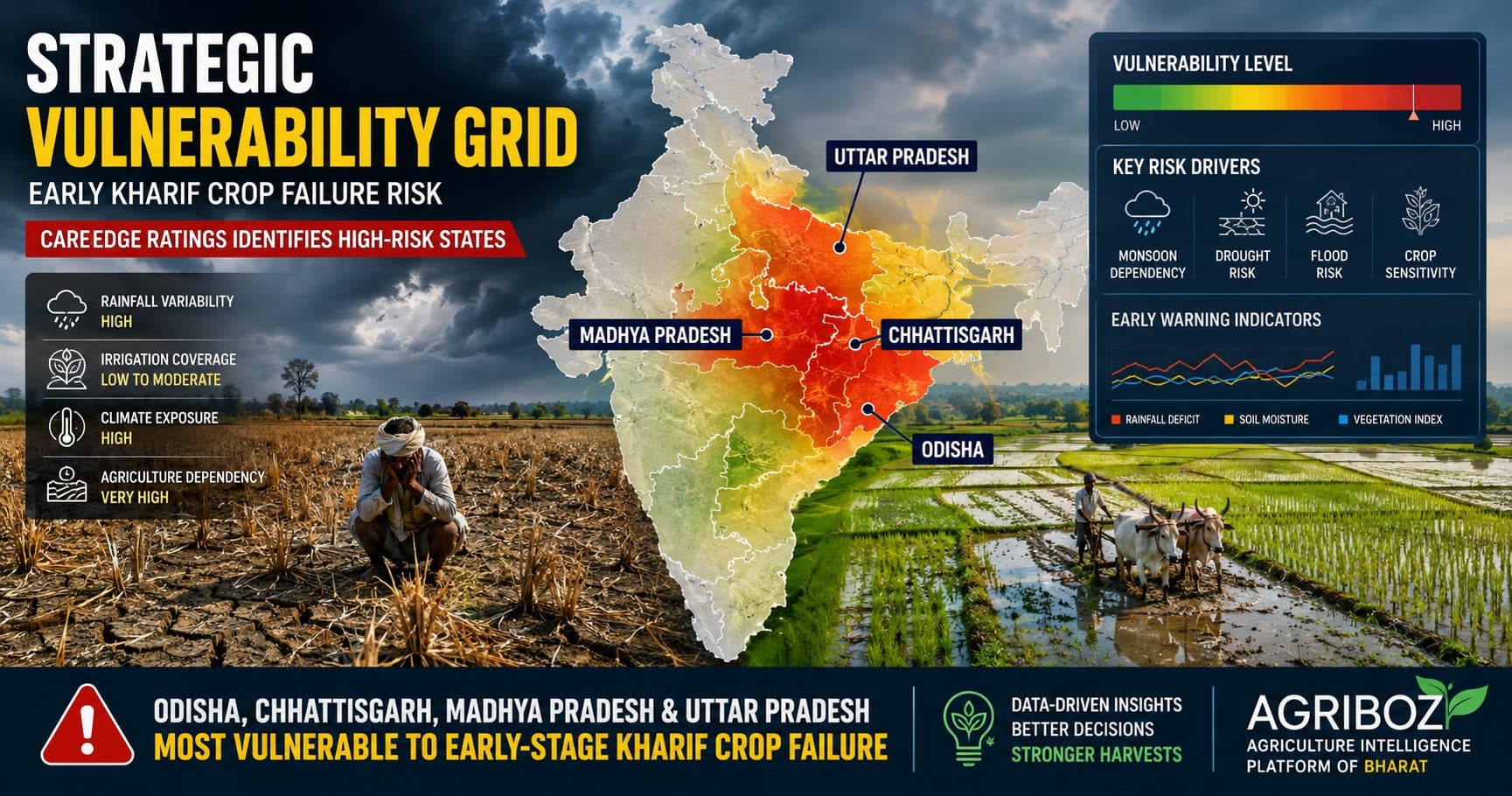
Strategic Vulnerability Grid: Odisha, Chhattisgarh, Madhya Pradesh and Uttar Pradesh Face Highest Early Kharif Crop Failure Risk
CareEdge Ratings' Strategic Vulnerability Grid highlights Odisha, Chhattisgarh, Madhya Pradesh, and Uttar Pradesh as the most vulnerable states for early-stage Kharif crop failure. Learn what this means for farmers, agribusinesses, policymakers, and the future of climate-resilient agriculture in Bharat.

Global Agri-Fintech Traction: Why Institutional Investors Are Backing Satellite-Powered Farm Credit Platforms
Institutional investors are increasingly allocating capital to deep-tech agri-fintech platforms that combine satellite analytics, remote sensing, artificial intelligence, and direct farm-gate credit scoring. These innovations are transforming agricultural lending, reducing risk, expanding financial inclusion, and creating new growth opportunities across global food systems.

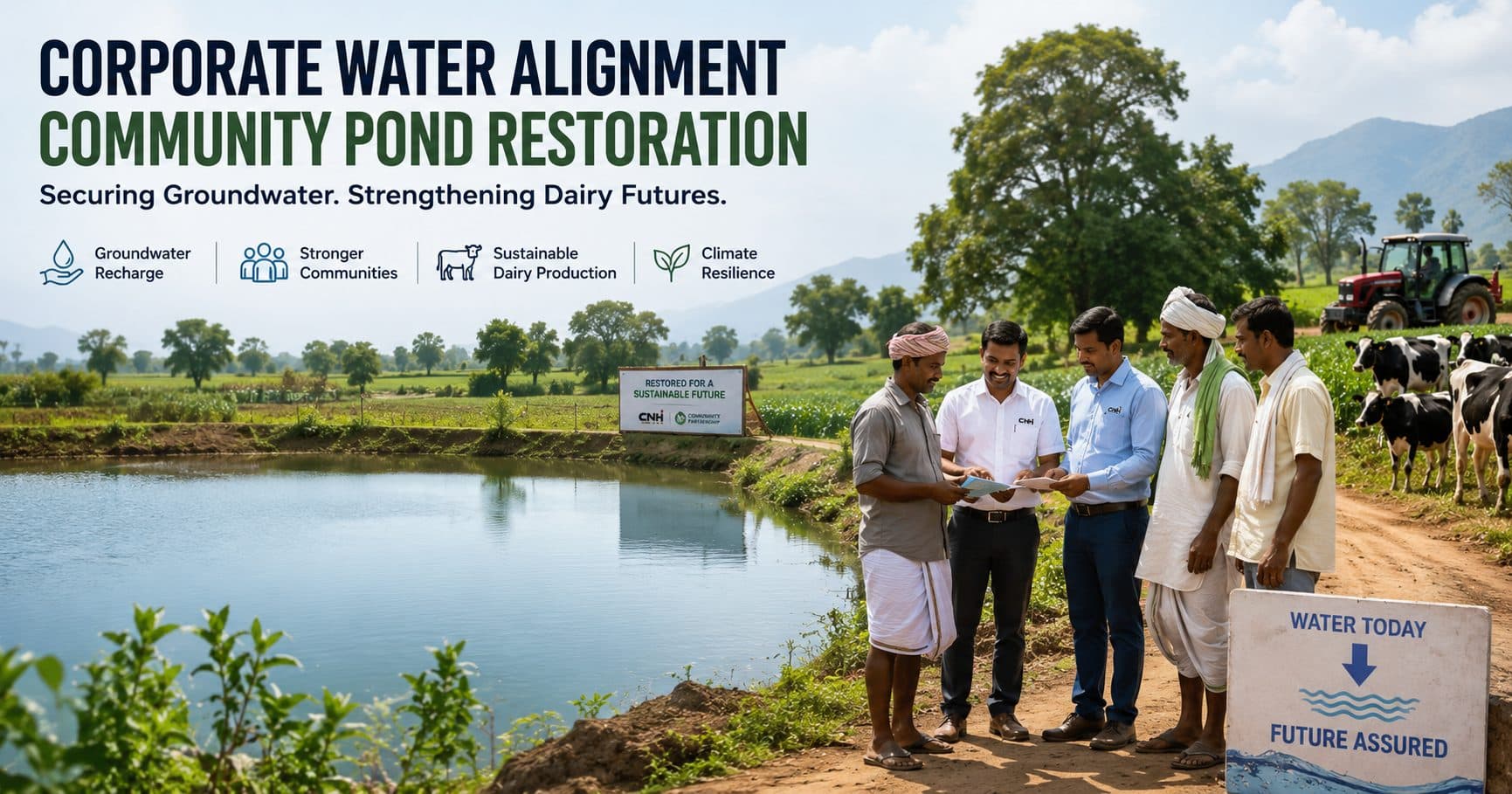
Corporate Water Alignment: How Multinational Equipment Manufacturers Are Restoring Community Ponds to Secure Dairy Outgrower Water Resources
As groundwater depletion threatens dairy production across rural regions, multinational equipment manufacturers are increasingly supporting community pond restoration projects. This corporate water alignment strategy helps recharge aquifers, strengthen dairy outgrower ecosystems, improve climate resilience, and create long-term sustainability for agriculture-dependent communities.

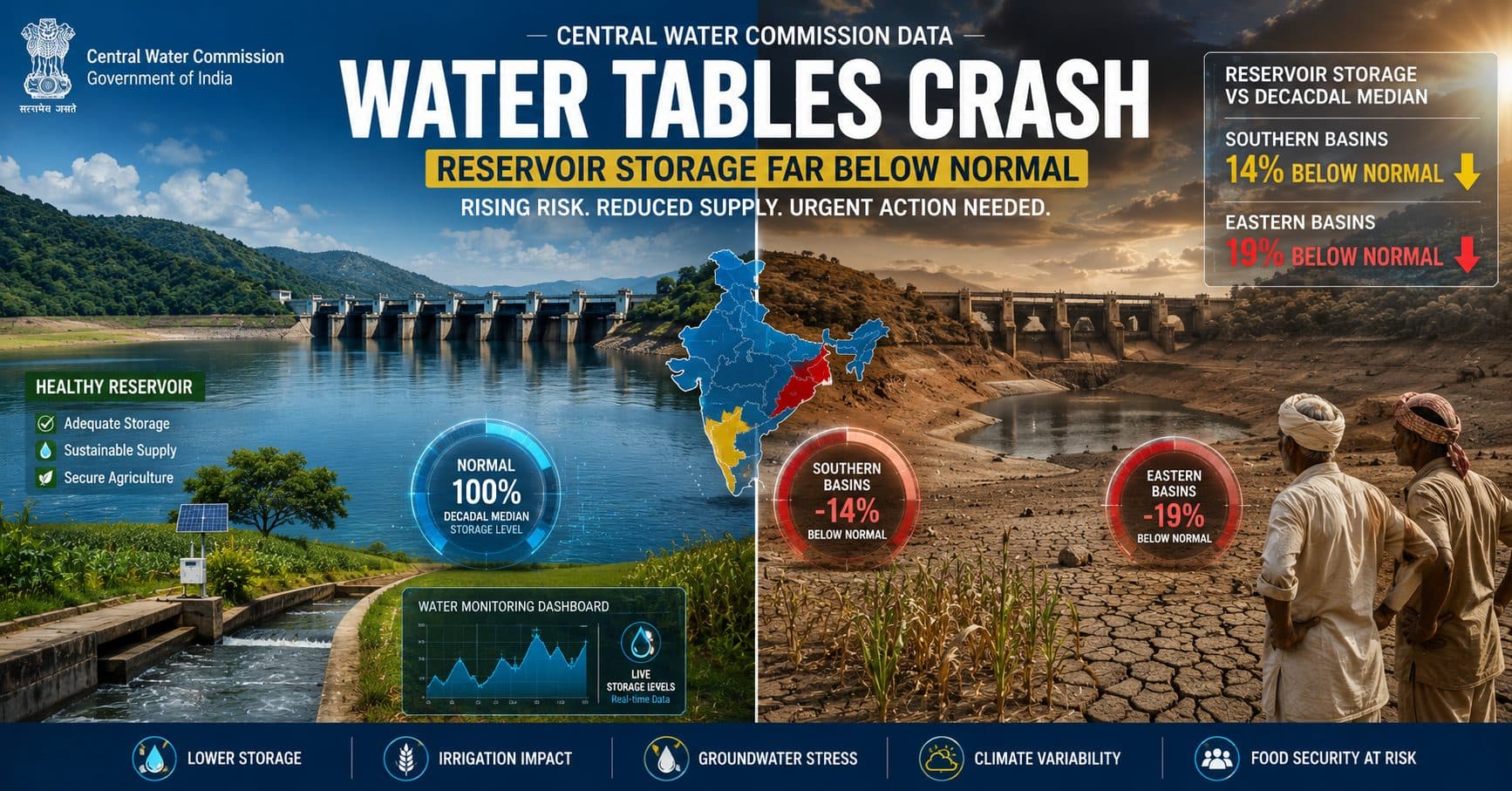
Water Tables Crash: Southern and Eastern Reservoir Storage Falls Sharply Below Decadal Normals
Fresh Central Water Commission data reveals that reservoir basins across Southern and Eastern India are operating significantly below normal decadal storage medians, with deficits of 14% and 19% respectively. The development raises concerns for irrigation security, crop planning, groundwater recharge, and climate resilience in the agriculture sector.

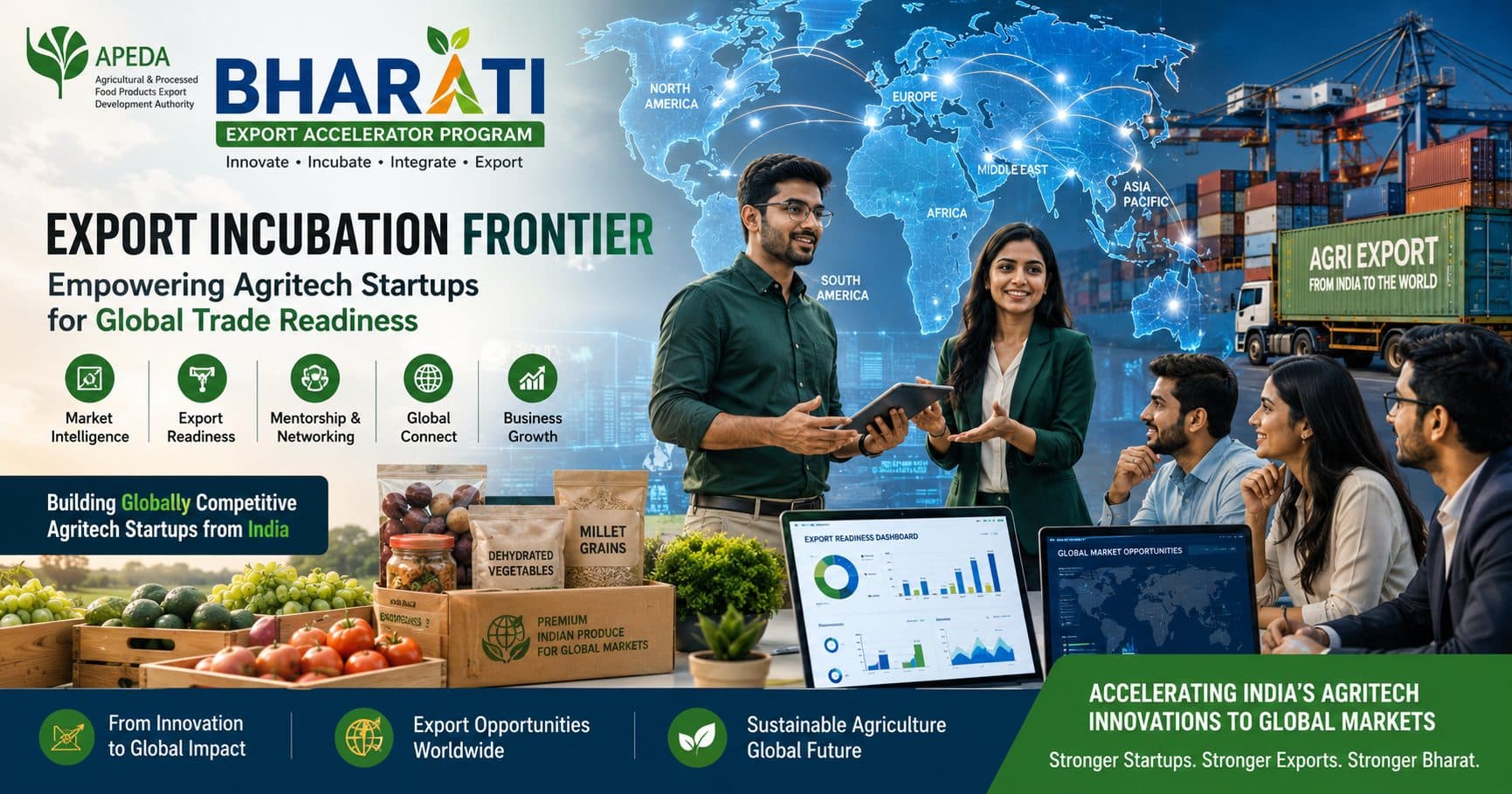
Export Incubation Frontier: APEDA’s BHARATI Export Accelerator Empowers Agritech Startups for Global Markets
APEDA has successfully concluded the first cohort of the BHARATI Export Accelerator Program, marking a major milestone in India's agricultural export ecosystem. The initiative is helping agritech startups become export-ready, build global market access, and strengthen India's position as a leading agricultural innovation hub.

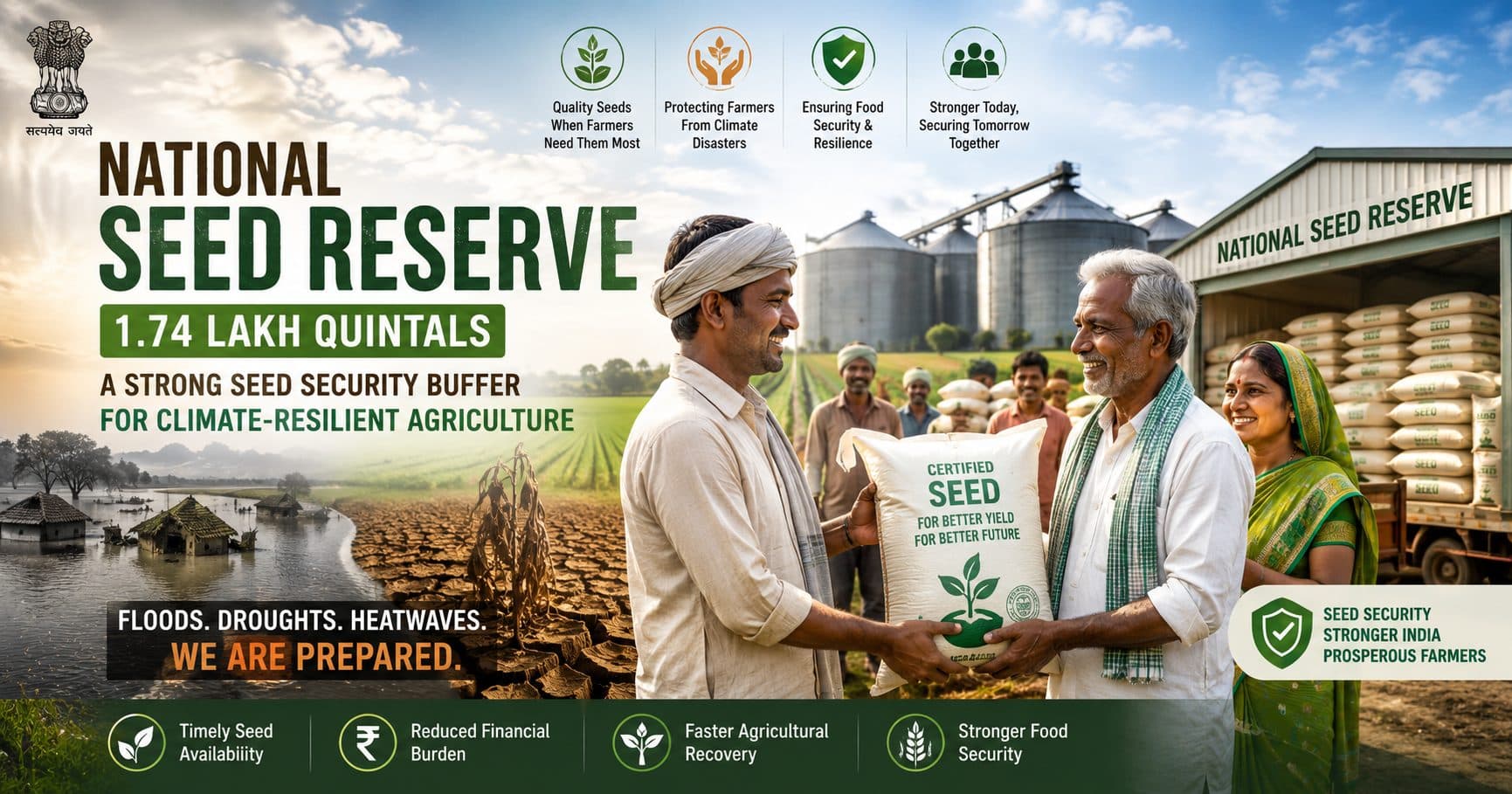
National Seed Reserve of 1.74 Lakh Quintals: How India’s Seed Security Buffer Protects Farmers from Climate Risks
India has established an emergency National Seed Reserve of 1.74 lakh quintals to safeguard farmers against climate-induced seed losses. This strategic seed security buffer aims to ensure timely seed availability during floods, droughts, heatwaves, and other extreme weather events, strengthening agricultural resilience and food security across the country.

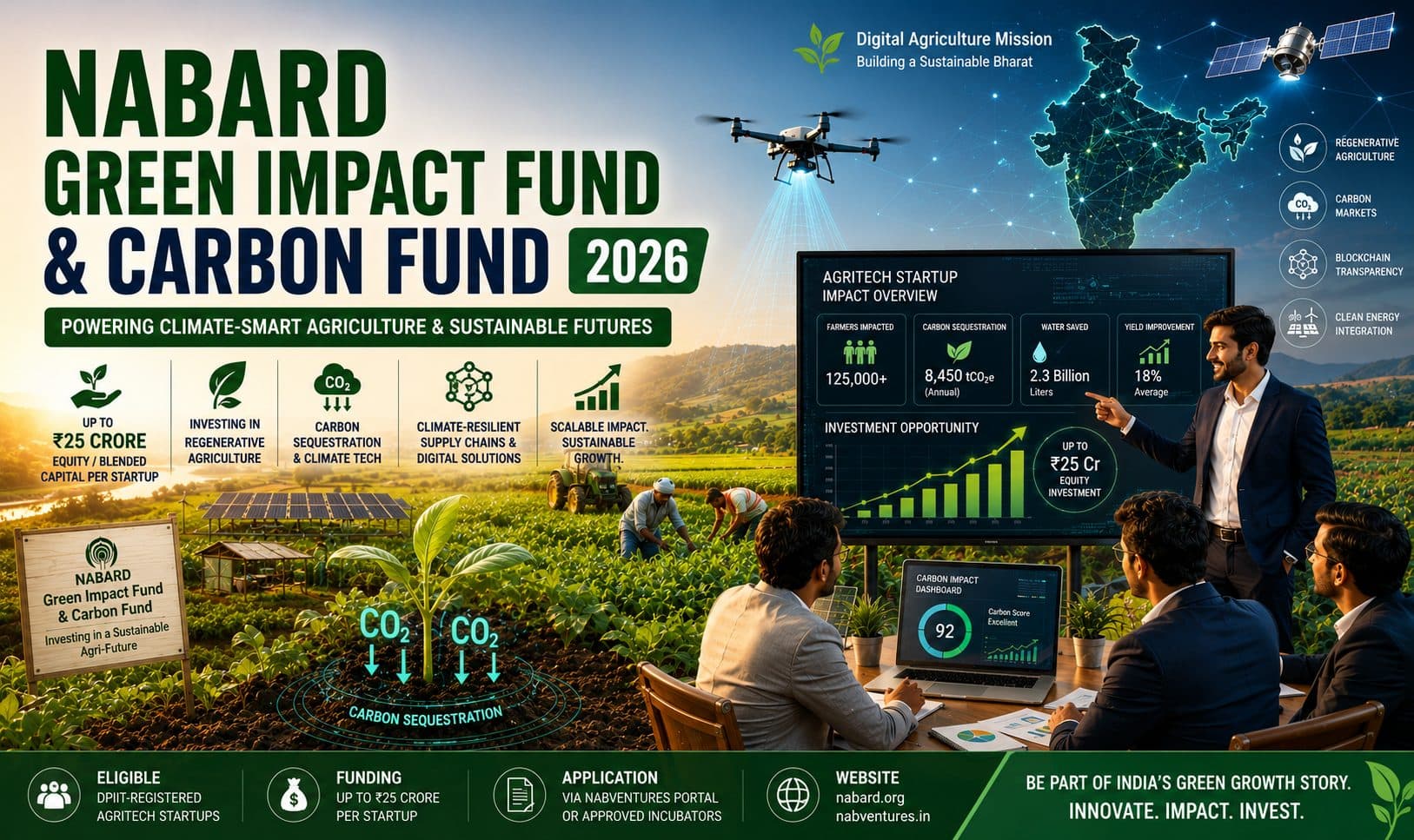
NABARD Green Impact Fund & Carbon Fund 2026: Up to ₹25 Crore Funding for Agritech Startups
NABARD and NABVENTURES have expanded their climate-focused investment ecosystem with the Green Impact Fund and Carbon Fund initiatives. Agritech startups working in regenerative agriculture, carbon sequestration, and climate-resilient supply chains can access equity and blended capital support. Learn about eligibility, funding, application process, and how to prepare a successful proposal.

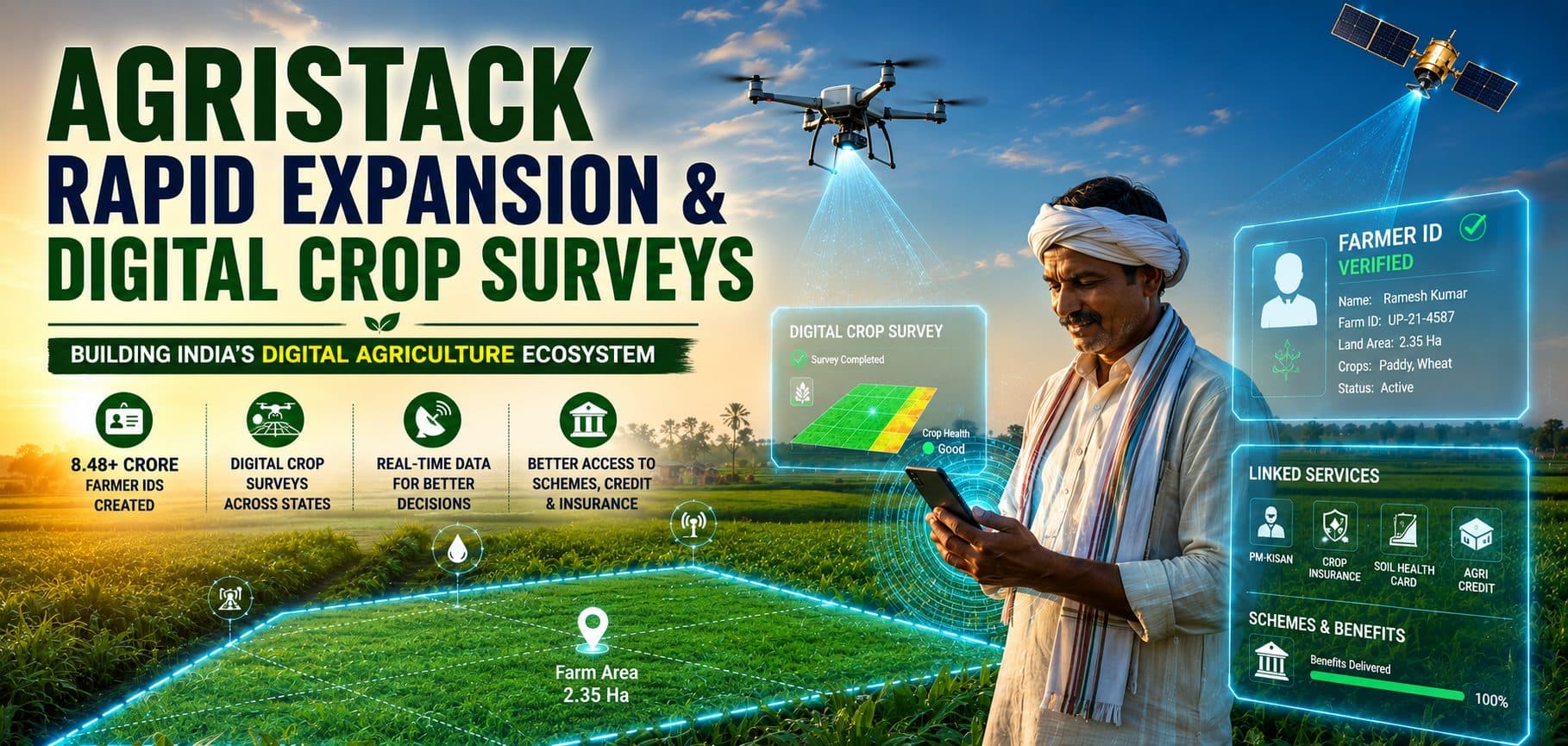
AgriStack Rapid Expansion: Why Digital Crop Surveys and Farmer IDs Are Reshaping Indian Agriculture
India's Digital Agriculture Mission is accelerating with the creation of over 8.48 crore Farmer IDs and expanding Digital Crop Surveys across states, including West Bengal. Here's what this means for farmers, agritech startups, financial institutions, and the future of digital agriculture.

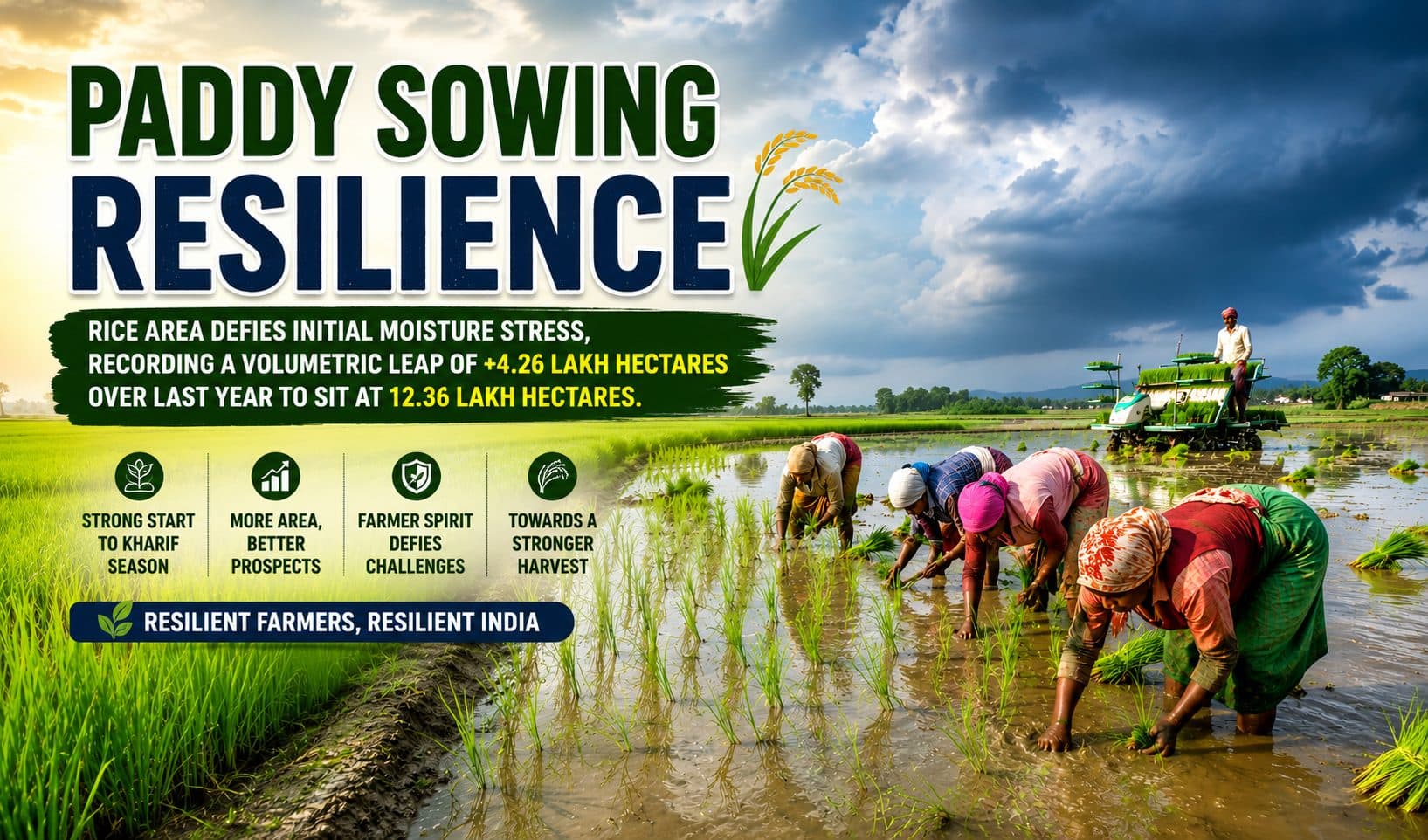
Paddy Sowing Shows Remarkable Resilience: Rice Area Expands by 4.26 Lakh Hectares Despite Early Moisture Stress
India's paddy cultivation has demonstrated exceptional resilience this season. Despite facing initial moisture stress due to delayed monsoon conditions in several regions, rice sowing has surged by 4.26 lakh hectares compared to last year, reaching 12.36 lakh hectares. Explore what this means for farmers, food security, and the upcoming Kharif season.

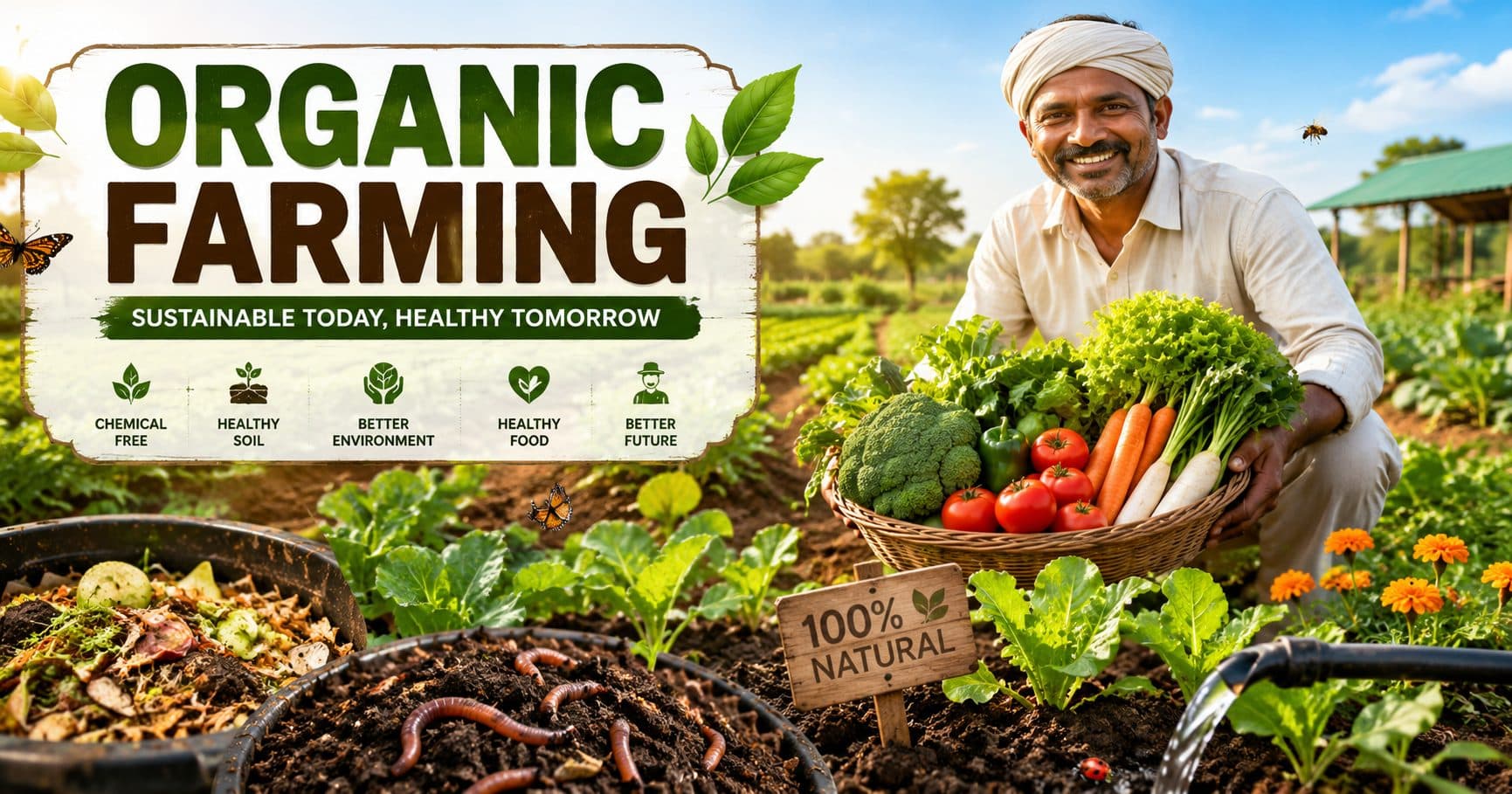
Organic Farming: Benefits, Methods, Challenges, and Future of Sustainable Agriculture
Discover everything you need to know about organic farming, including its benefits, farming methods, certification process, challenges, and why it is becoming the future of sustainable agriculture.

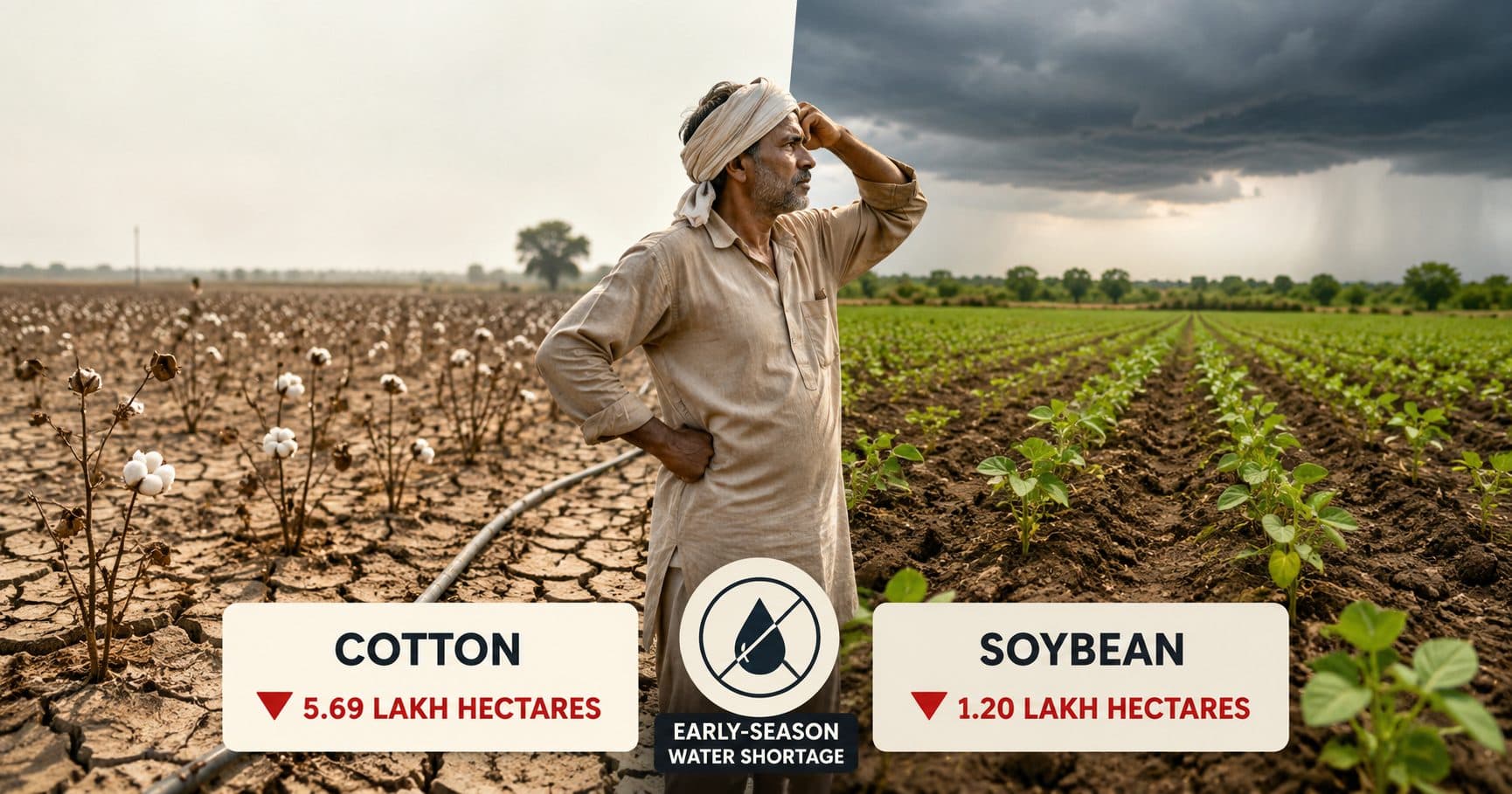
Cotton and Soybean Slide: Early-Season Water Shortages Reduce Sowing Across India's Cash Crop Belts
Early-season water shortages have impacted India's commercial farming regions, leading to a significant decline in Cotton and Soybean sowing. Explore the reasons behind the acreage drop, its implications for farmers, market trends, and how AGRIBOZ helps growers make informed decisions.

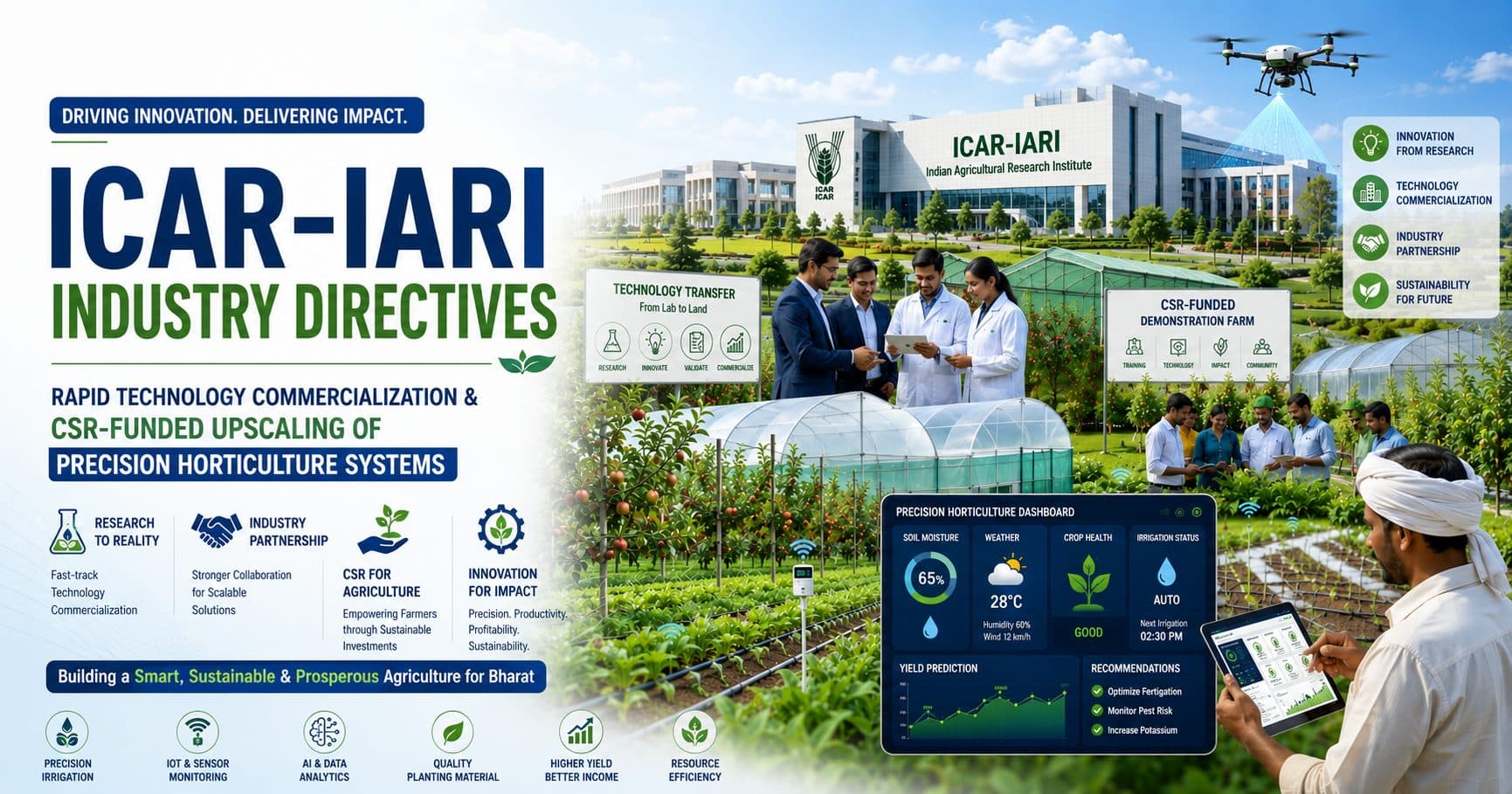
ICAR-IARI Industry Directives: Precision Horticulture, Technology Commercialization & CSR to Transform Indian Agriculture
ICAR-IARI's latest industry directives emphasize rapid commercialization of agricultural technologies and CSR-funded scaling of precision horticulture systems. Discover how these initiatives can accelerate innovation, improve farm productivity, strengthen agribusiness partnerships, and support sustainable agriculture across India.

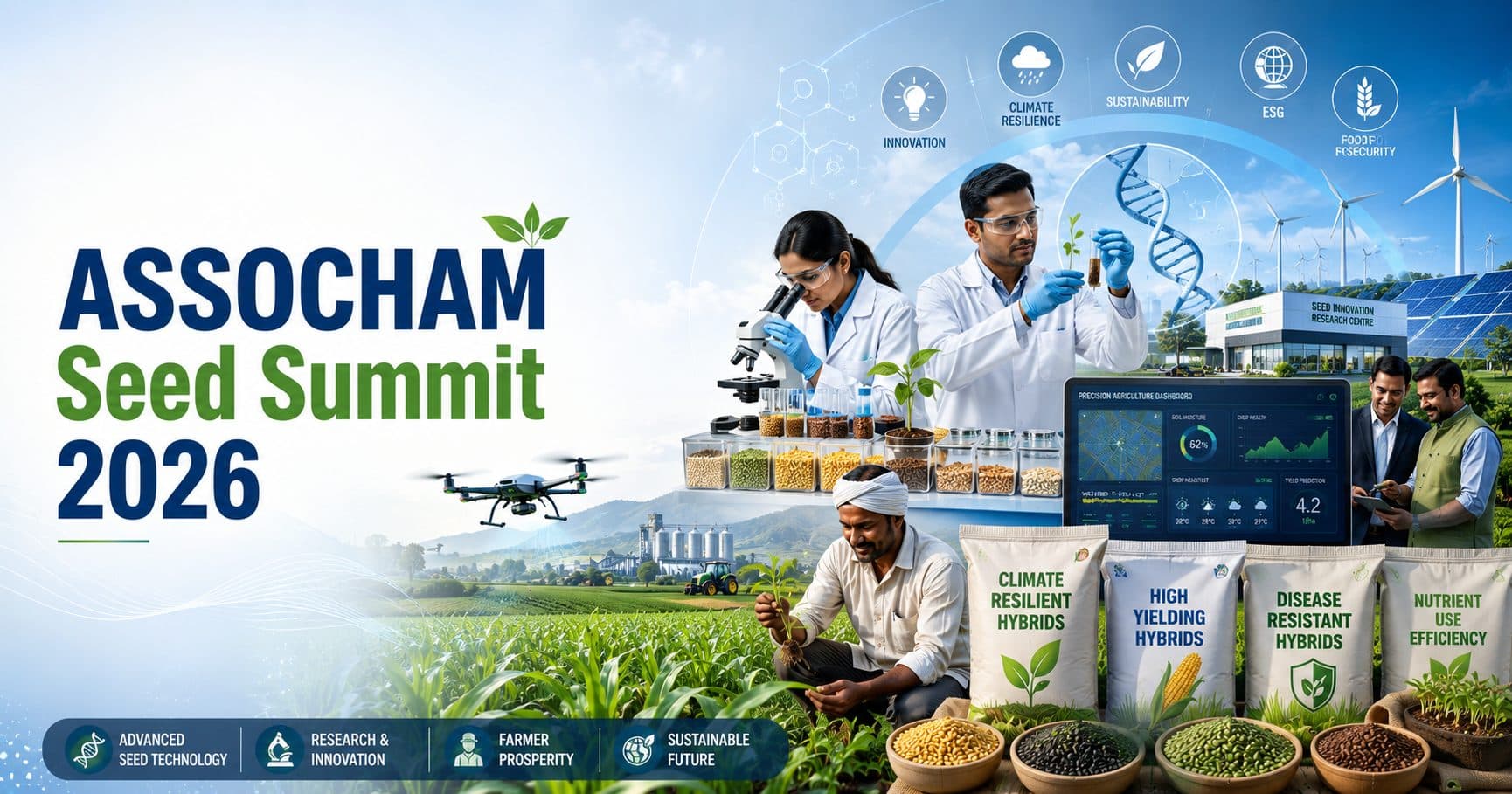
ASSOCHAM Seed Summit 2026: How Climate-Resilient Hybrid Seeds Are Shaping India's Sustainable Agriculture Future
The ASSOCHAM Seed Summit 2026, scheduled for July 2026, is expected to bring together policymakers, seed companies, agritech innovators, researchers, and industry leaders to accelerate climate-resilient hybrid seeds and align India's seed ecosystem with corporate sustainability and ESG goals. Discover why this summit matters for farmers, agribusinesses, and the future of Indian agriculture.

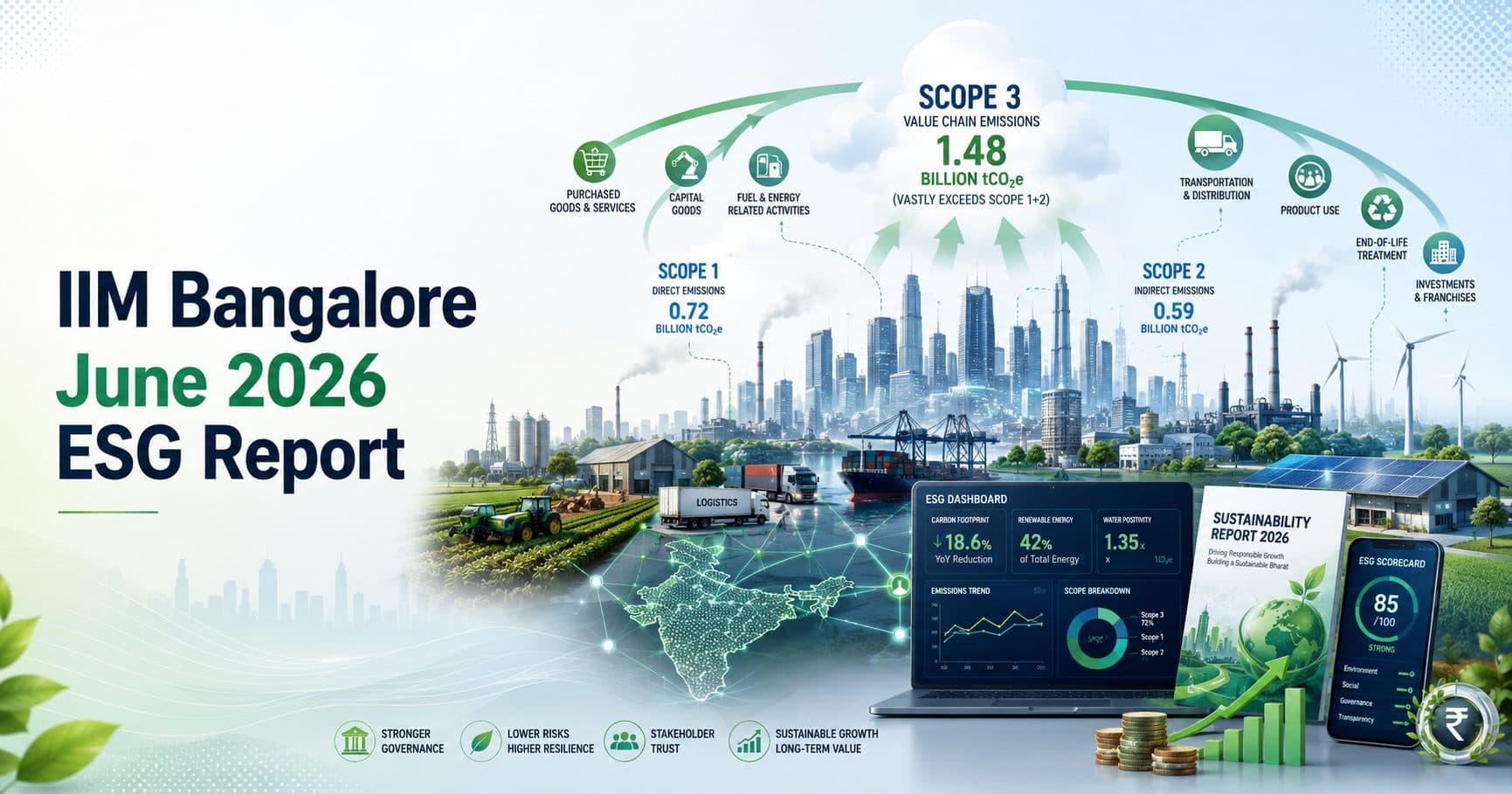
IIM Bangalore June 2026 ESG Report: Scope 3 Emissions Now Surpass Scope 1 & 2 for India's Top Companies
The IIM Bangalore June 2026 ESG Report reveals a major shift in corporate sustainability reporting. Disclosed Scope 3 emissions among India's top 1,000 listed companies have exceeded combined Scope 1 and Scope 2 emissions, while 57.1% of companies still fail to disclose value-chain emissions. Discover what this means for Indian businesses, ESG compliance, investors, and the future of sustainable growth.

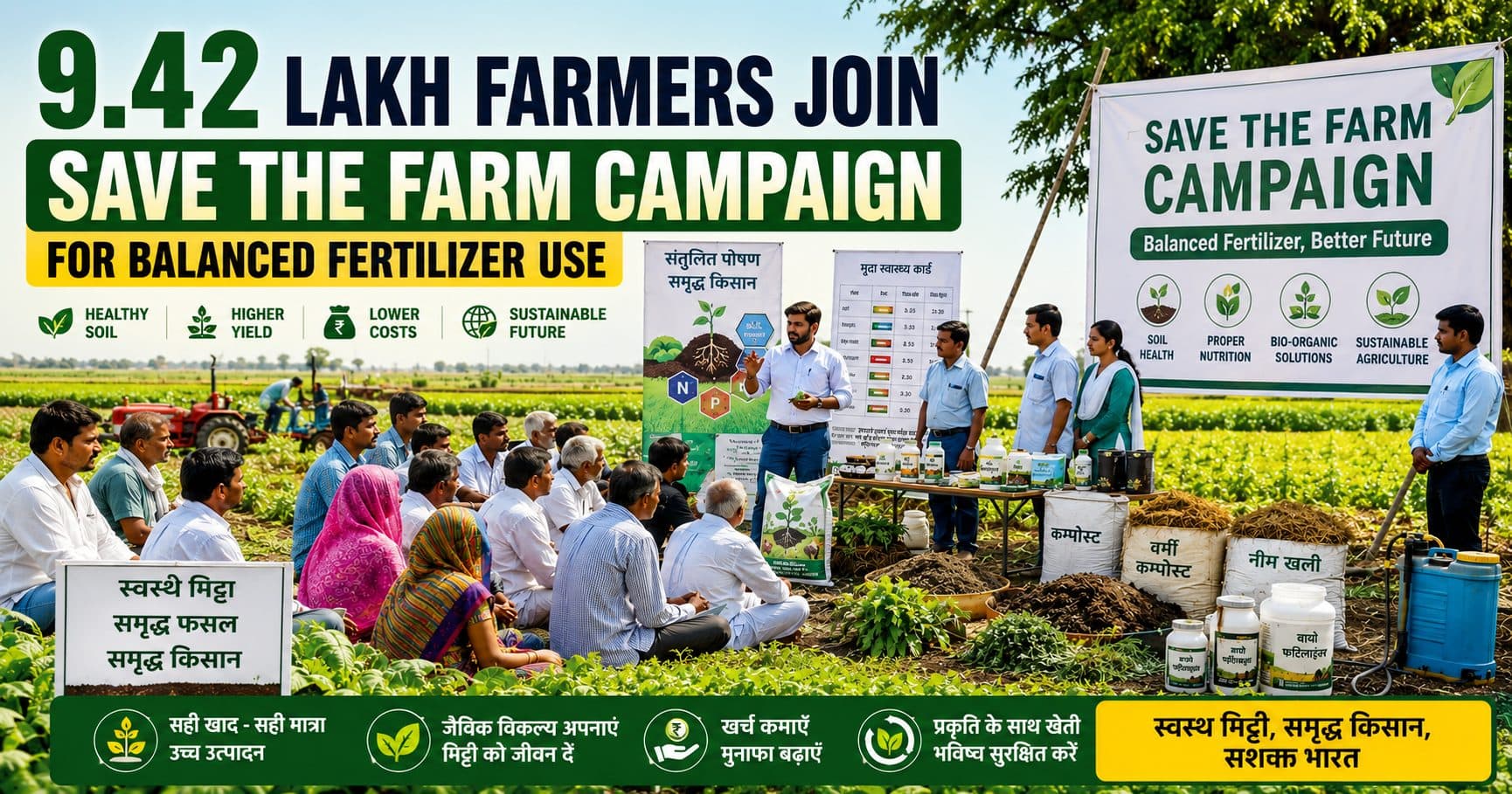
National Extension Mobilization: 9.42 Lakh Farmers Drive Balanced Fertilizer Use Through Save the Farm Campaign
More than 9.42 lakh commercial and smallholder farmers have joined the state's Save the Farm Campaign, marking a major milestone in promoting balanced fertilizer application and the adoption of bio-organic alternatives for sustainable agriculture, healthier soils, and improved long-term farm productivity.

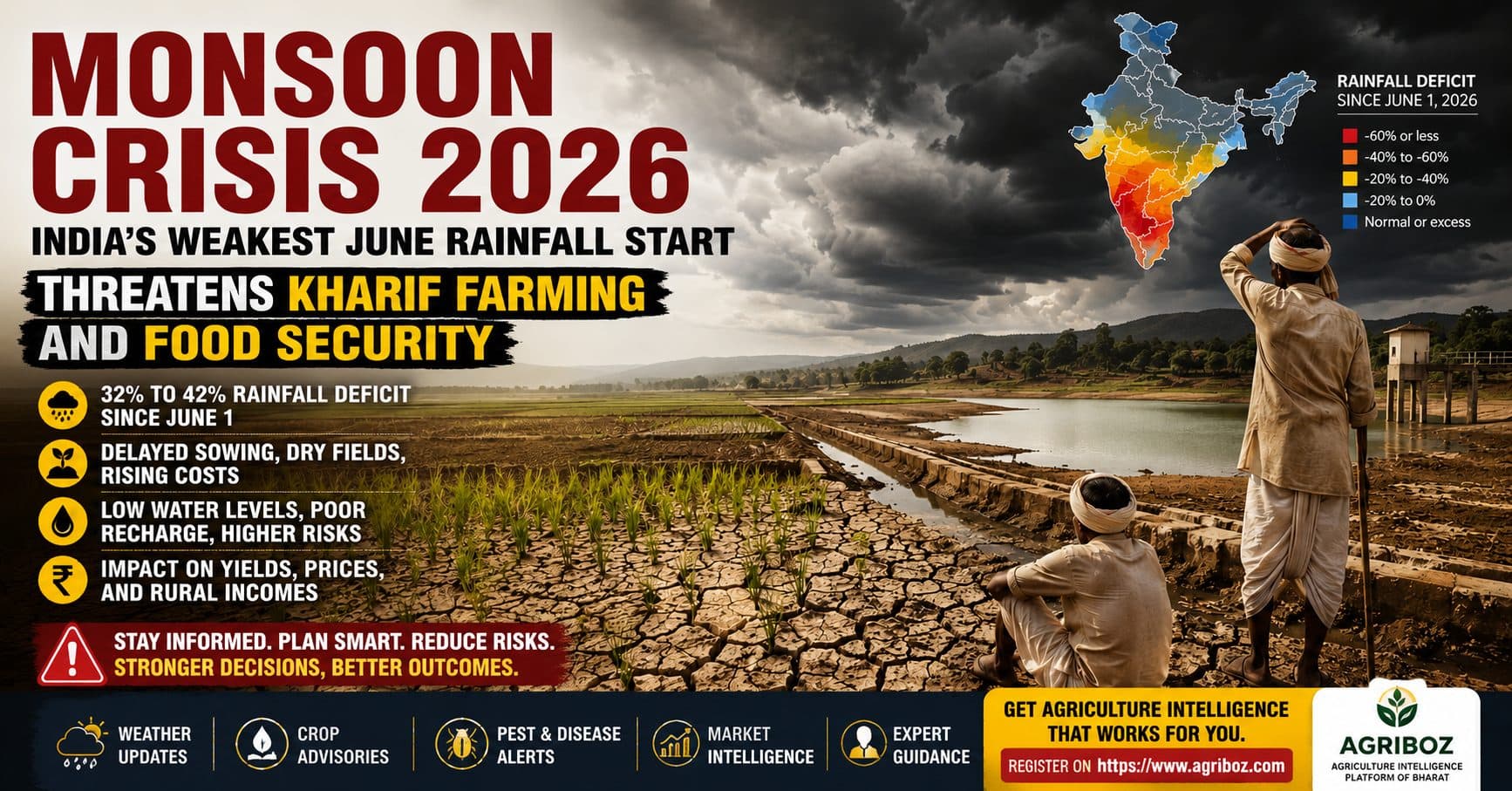
Monsoon Crisis 2026: India's Weakest June Rainfall Start Threatens Kharif Farming and Food Security
India's 2026 southwest monsoon has started with one of the sharpest rainfall deficits in recent decades, raising concerns over Kharif sowing, groundwater recharge, food inflation, and farmer incomes. Discover what this means for agriculture and how farmers can reduce risks through better planning.

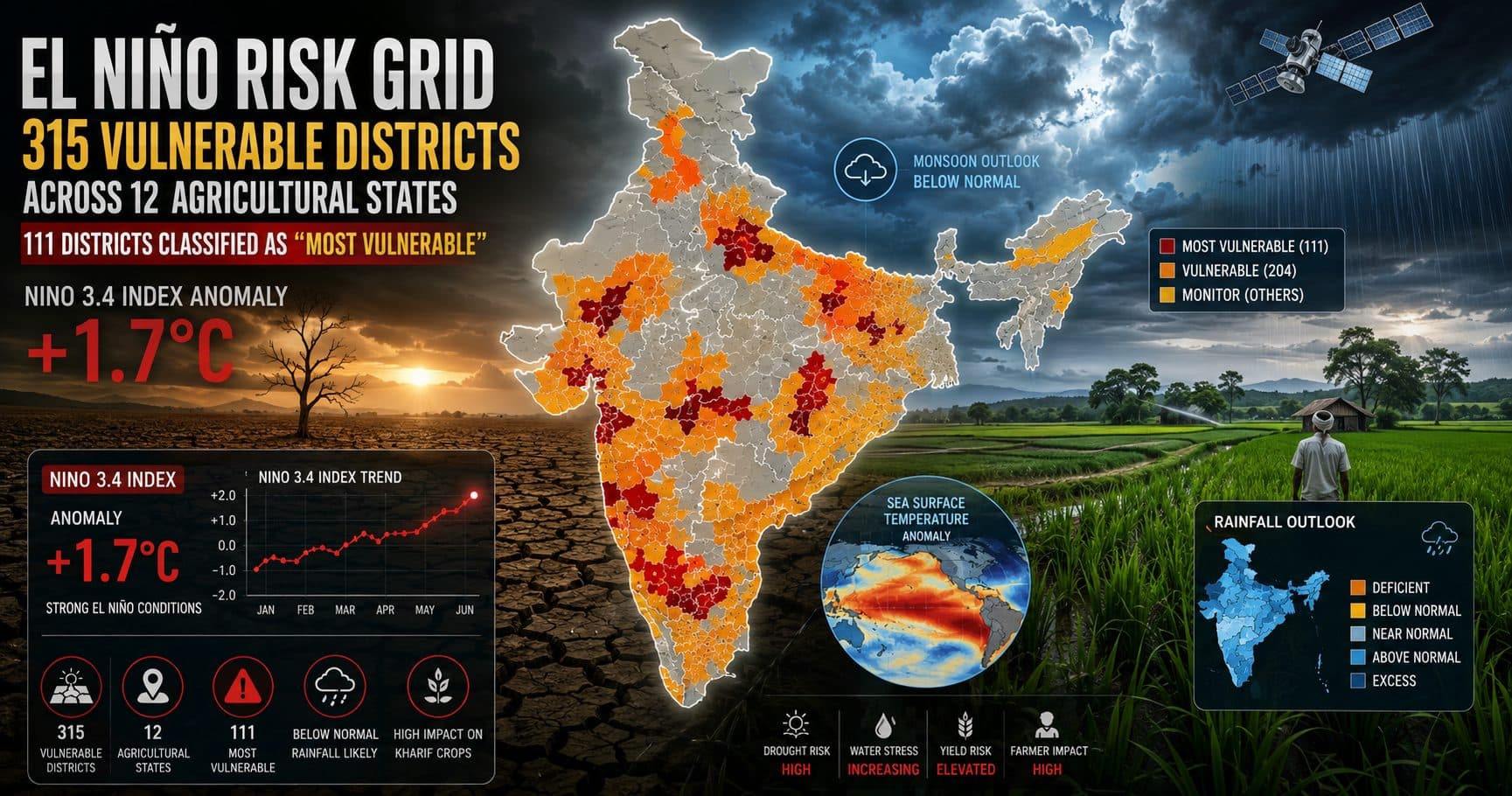
El Niño Risk Grid: Government Identifies 315 Vulnerable Districts Across 12 Agricultural States as Niño 3.4 Index Reaches +1.7°C
With the Niño 3.4 index anomaly rapidly climbing to +1.7°C, the government has mapped 315 vulnerable districts across 12 major agricultural states, including 111 "most vulnerable" zones. Learn what this means for Indian farmers, crop planning, water management, and climate resilience.

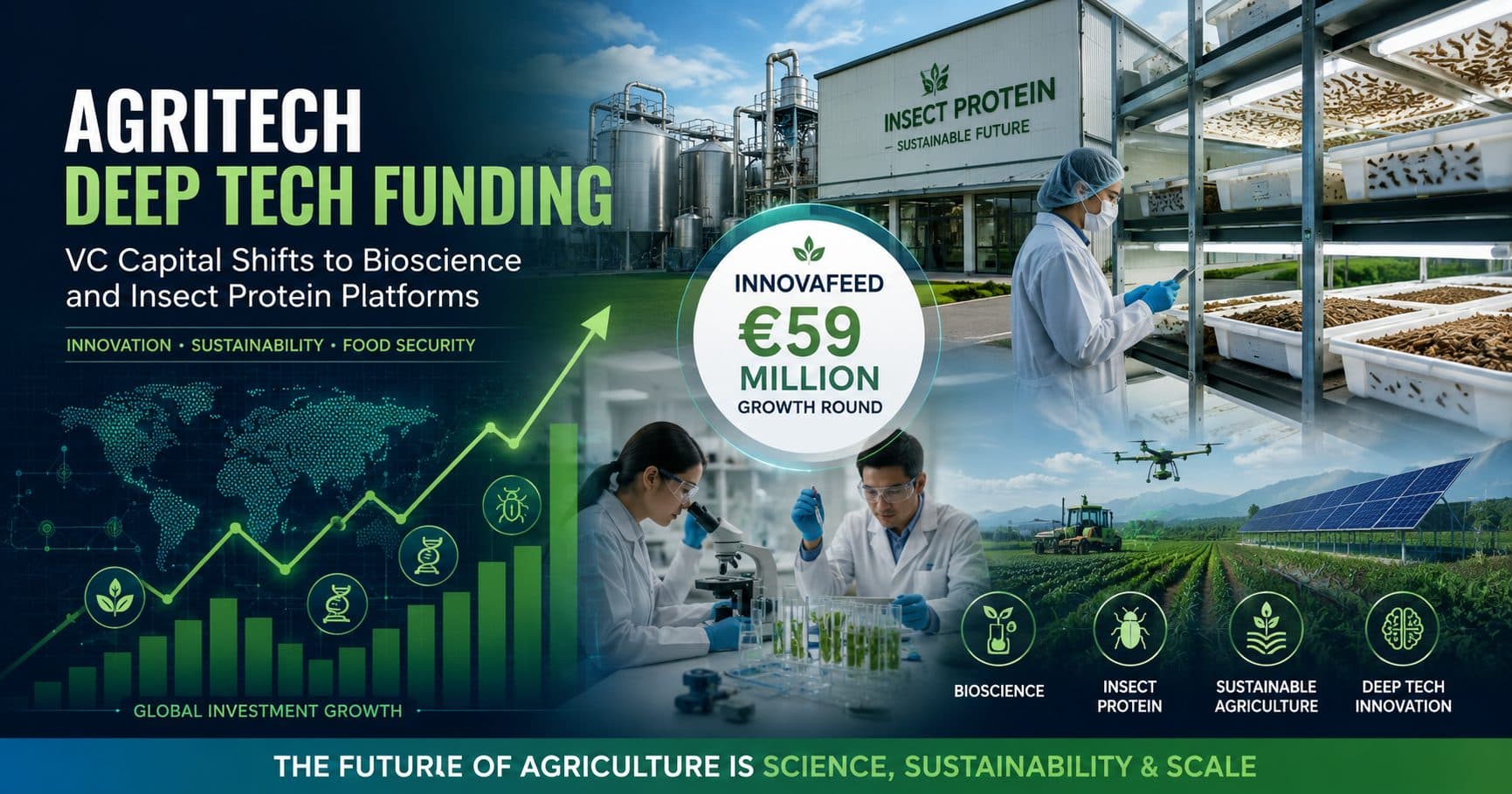
Agritech Deep Tech Fund Trends: Why VC Capital Is Shifting from Consumer Marketplaces to Bioscience and Insect Protein Platforms
Venture capital in agriculture is entering a new phase. Investors are increasingly moving away from consumer-focused marketplaces and directing funds toward deep technology platforms in bioscience, precision agriculture, alternative proteins, and insect-based nutrition. Innovafeed’s recent €59 million growth round highlights the growing confidence in scalable agricultural innovation capable of solving food security, sustainability, and climate challenges.

Mechanization Push: New Holland Launches HD & XHD Rotary Tillers for Tough Soil Preparation in India
CNH Industrial’s New Holland brand has expanded its farm mechanization portfolio with the launch of the HD and XHD Series Rotary Tillers. Manufactured at the company’s Pune facility, these heavy-duty rotavators are engineered to tackle severe soil preparation challenges, offering deeper tillage, enhanced durability, corrosion resistance, and improved productivity for Indian farmers.

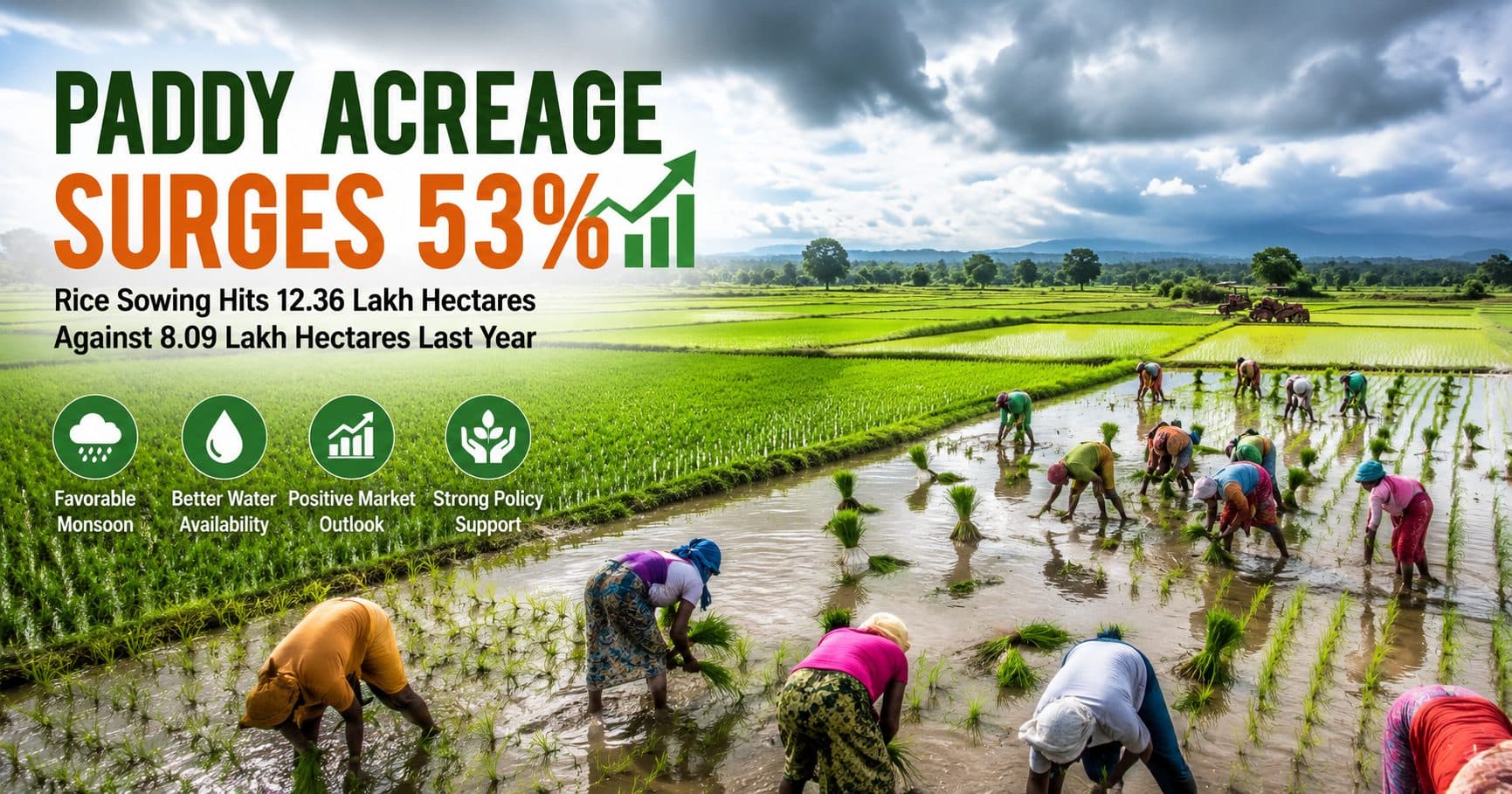
Paddy Acreage Surges 53%: What Record Rice Sowing Means for India's Agriculture and Farmers
India's rice cultivation has witnessed a remarkable jump, with paddy acreage rising from 8.09 lakh hectares to 12.36 lakh hectares during the corresponding period. Discover what is driving this growth, its impact on food security, farmer incomes, market dynamics, and the opportunities emerging for agriculture stakeholders.

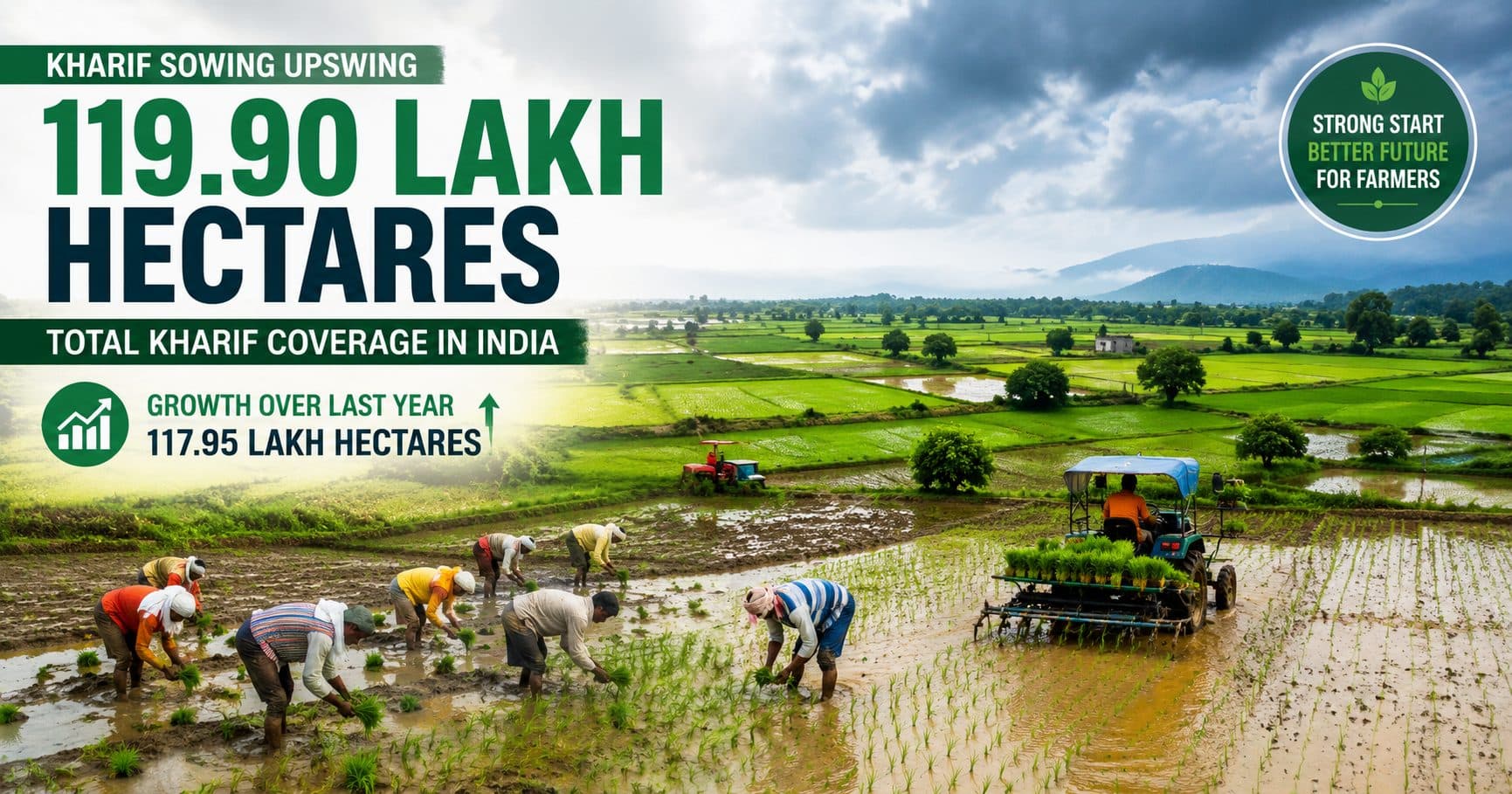
Kharif Sowing Sees Positive Growth: Coverage Reaches 119.90 Lakh Hectares Across India
India’s Kharif sowing season has started on a positive note with total crop coverage reaching 119.90 lakh hectares, surpassing last year's 117.95 lakh hectares. This growth signals stronger farmer participation, favorable weather conditions, and improved agricultural preparedness, creating optimism for the upcoming harvest season and rural economy.

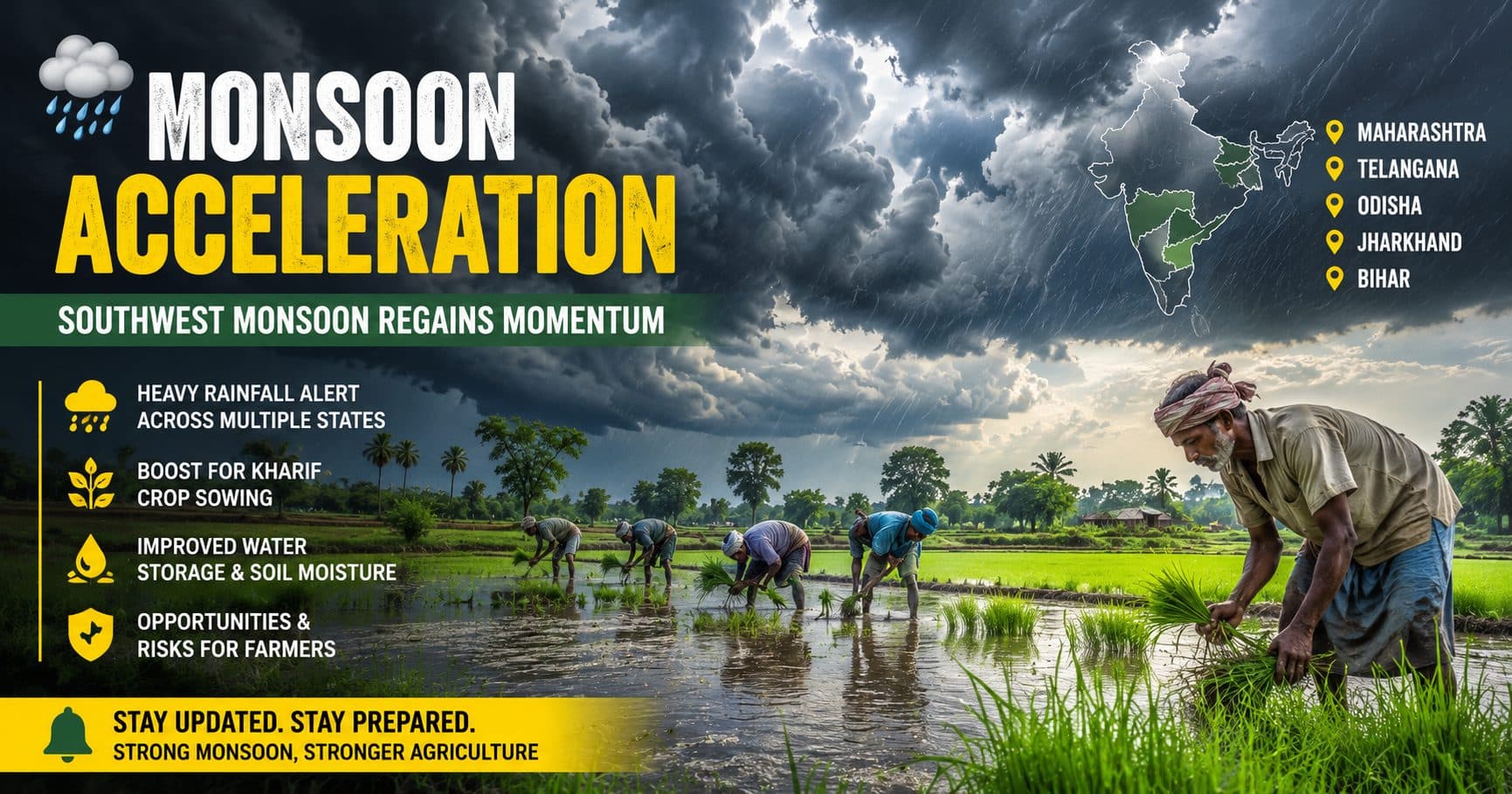
Monsoon Acceleration Across India: Southwest Monsoon Regains Momentum Bringing Relief and Opportunities for Farmers
After a delayed start, the Southwest Monsoon has accelerated rapidly across Maharashtra, Telangana, Odisha, Jharkhand, and Bihar. With heavy rainfall alerts issued in several regions, farmers now face both opportunities and challenges. Learn how this monsoon surge can impact crop planning, water management, and agricultural productivity across India.

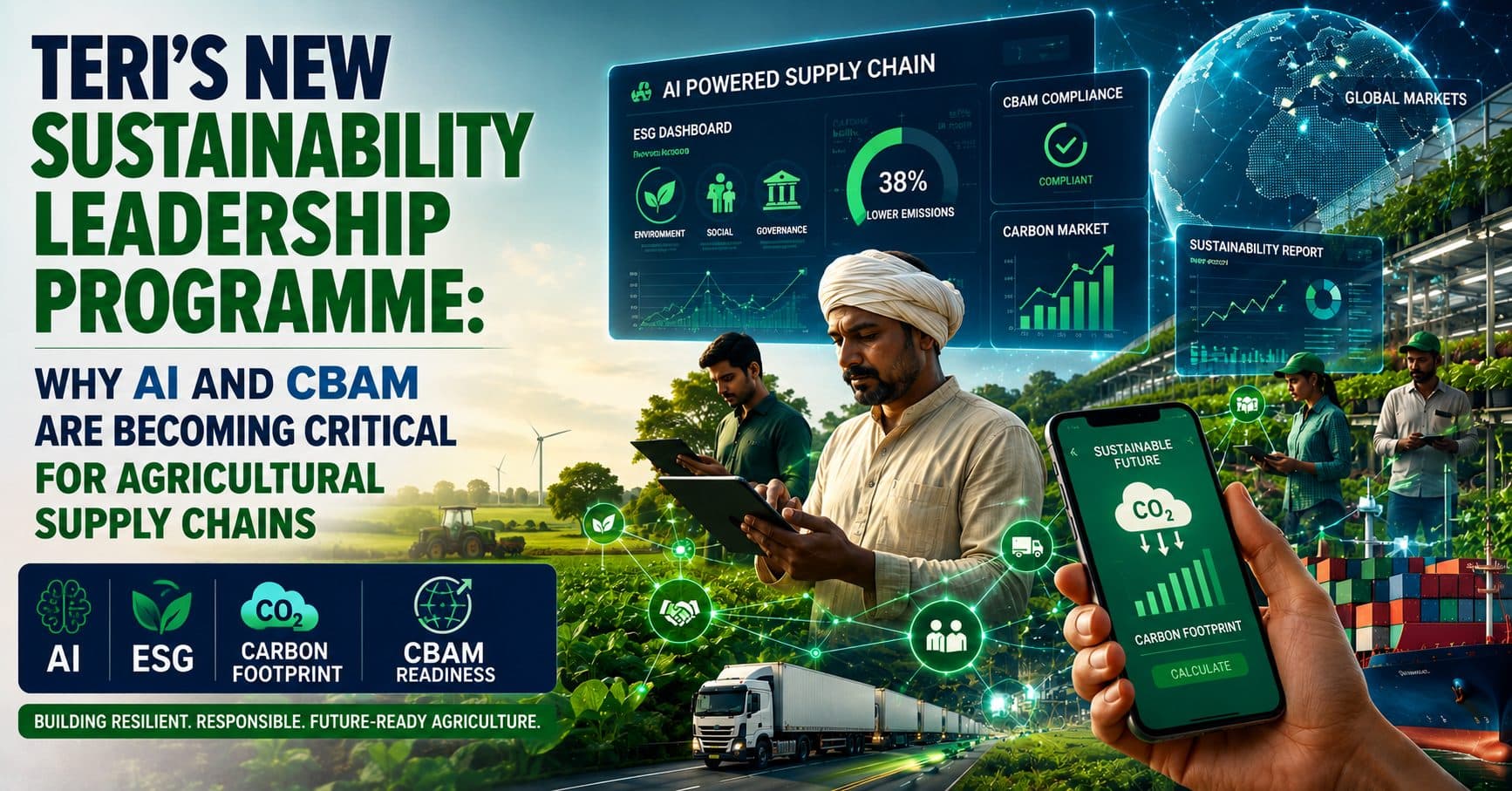
TERI’s New Sustainability Leadership Programme: How AI, Agricultural Supply Chains, and CBAM Readiness Are Reshaping Agribusiness
TERI has launched its Corporate Sustainability Leadership Programme 2026 with a strong focus on ESG, AI, carbon markets, agricultural supply chains, and CBAM preparedness. Discover what this means for agribusinesses, exporters, food processors, FPOs, and sustainability-driven agriculture leaders in India.

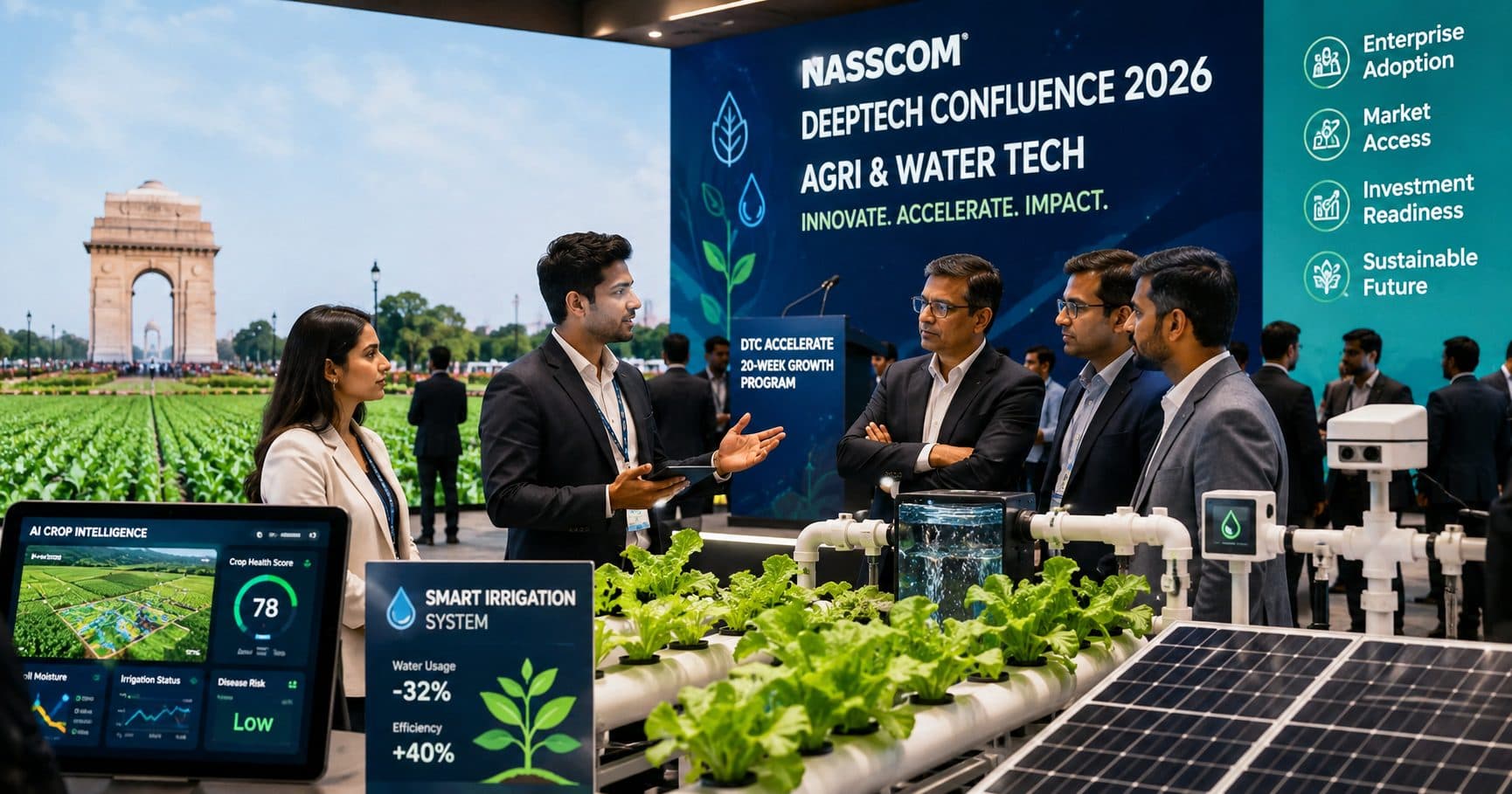
Nasscom Deeptech Confluence 2026: Accelerating Agri & Water Tech Startups from Pilot Projects to Scalable Impact
Nasscom Deeptech Confluence 2026 has emerged as a major catalyst for India's Agri & Water Tech ecosystem. Through its 20-week DTC Accelerate Growth Program, enterprise adoption networks, investment readiness support, and direct access to corporate and climate-tech investors, the initiative is helping startups overcome one of the industry's biggest challenges—scaling beyond pilot projects into sustainable commercial deployment.

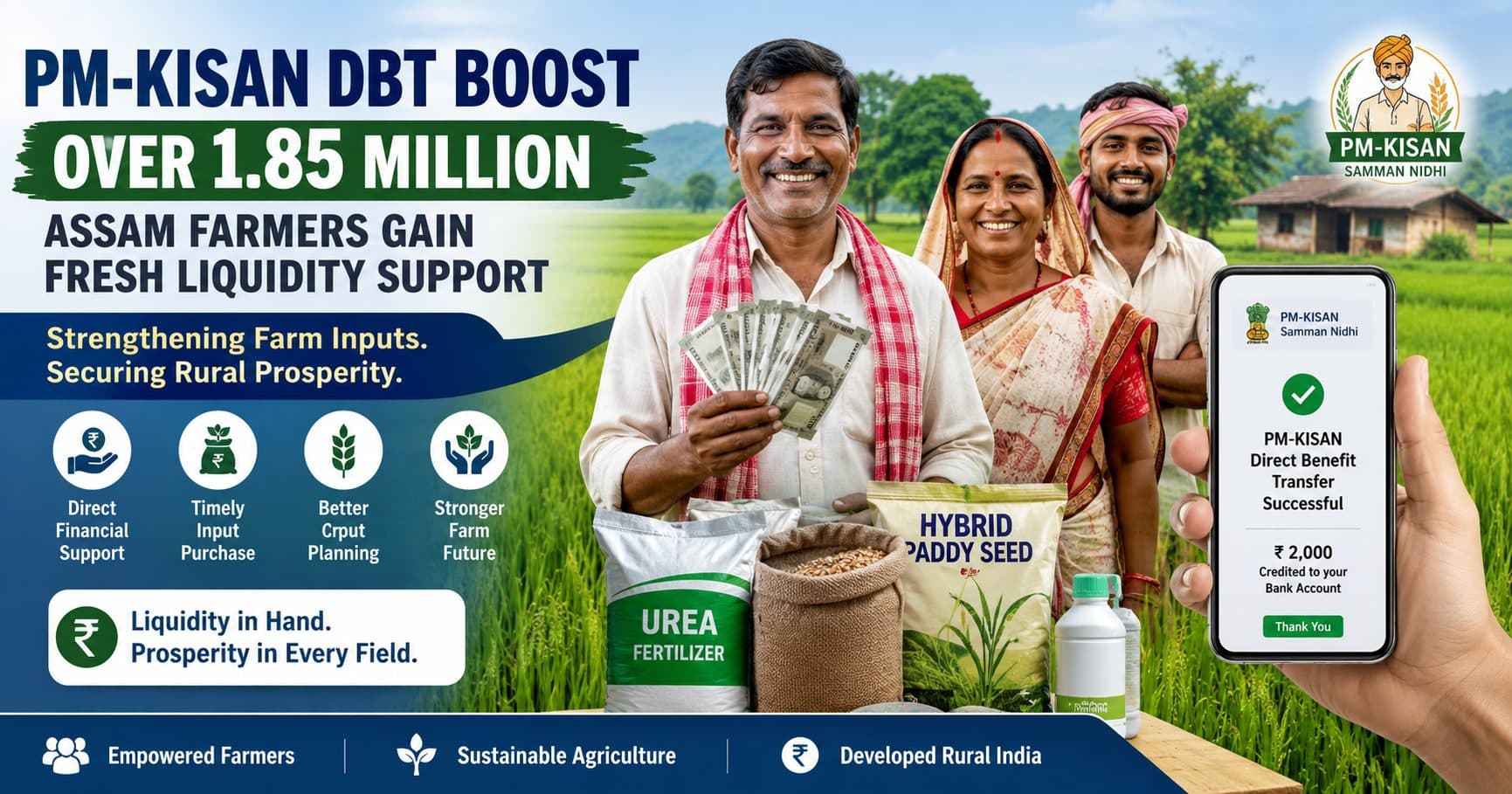
PM-KISAN DBT Boost: Over 1.85 Million Assam Farmers Gain Fresh Liquidity Support for Farm Inputs
More than 1.85 million farmers across Assam have received fresh financial support through the latest PM-KISAN Direct Benefit Transfer rollout. This timely liquidity infusion is helping farm households manage input costs, improve crop planning, and strengthen agricultural resilience amid rising cultivation expenses.

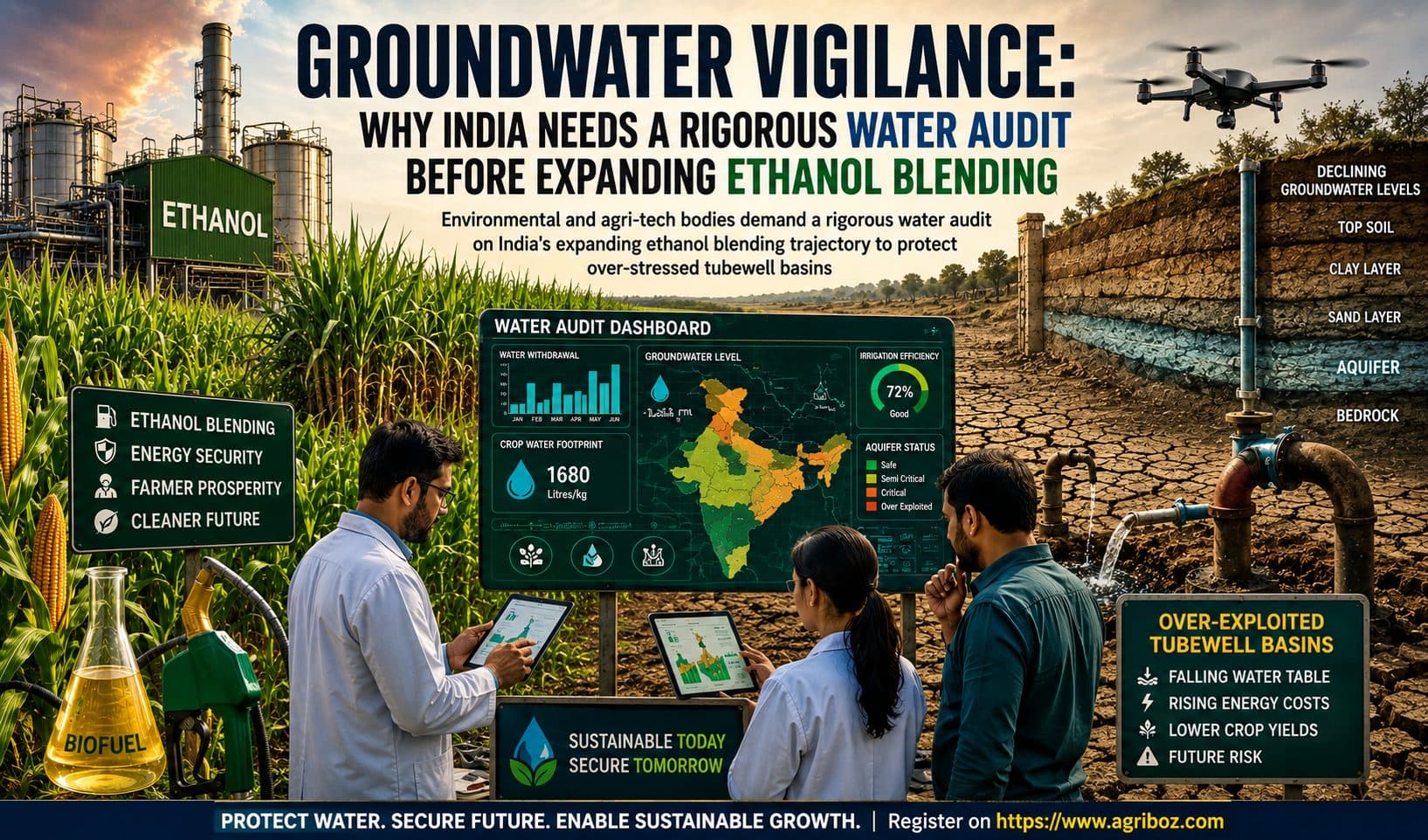
Groundwater Vigilance: Why India Needs a Rigorous Water Audit Before Expanding Ethanol Blending
As India accelerates its ethanol blending ambitions to strengthen energy security and reduce fossil fuel dependence, environmental experts and agri-tech stakeholders are raising concerns about groundwater depletion in already stressed agricultural regions. A comprehensive water audit framework can help balance renewable fuel goals with long-term water sustainability, farmer resilience, and agricultural productivity.

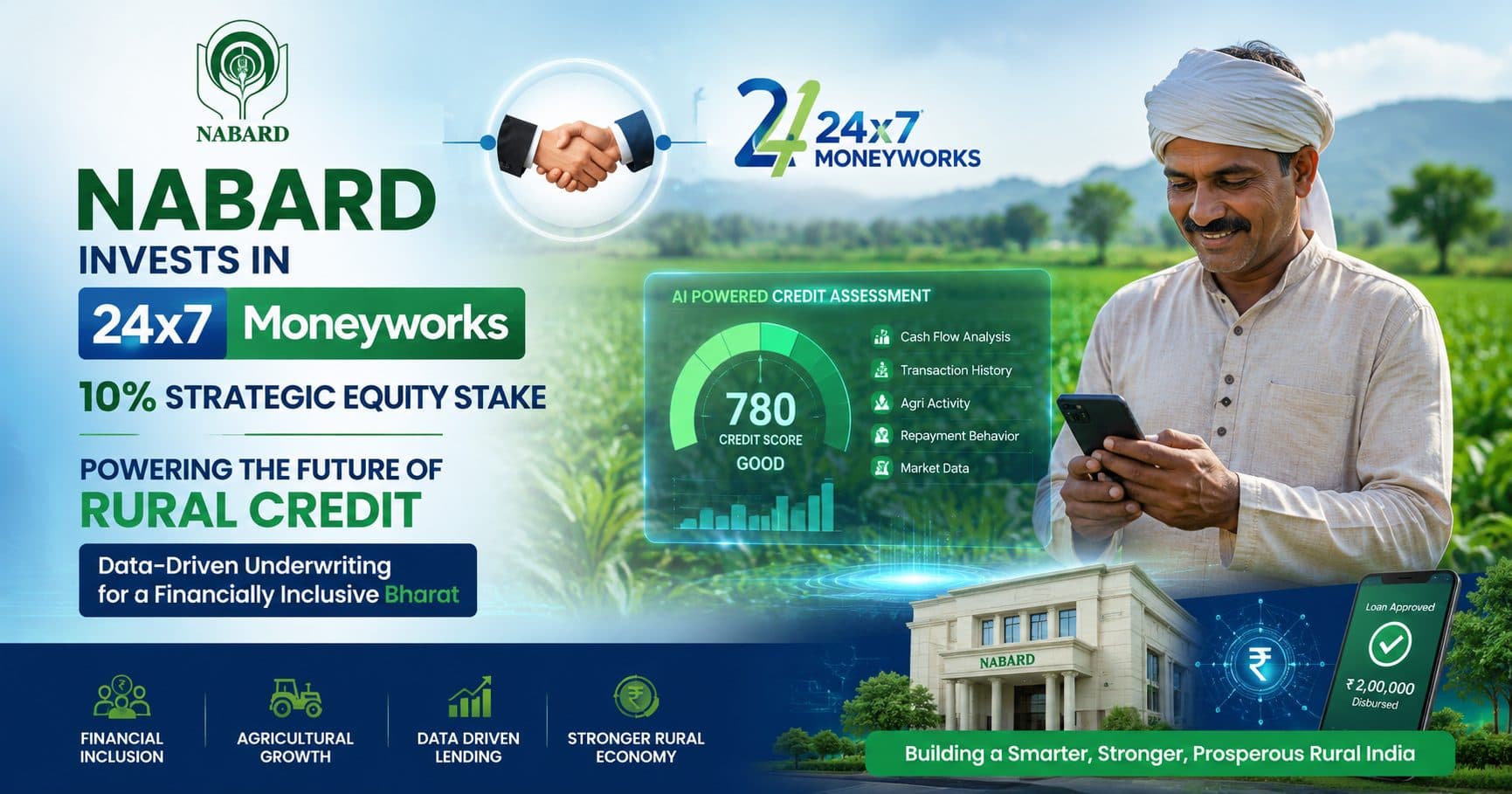
Fintech Interventions: NABARD Acquires 10% Stake in 24x7 Moneyworks to Transform Rural Credit Underwriting
NABARD’s strategic acquisition of a 10% equity stake in agri-fintech startup 24x7 Moneyworks marks a significant milestone in India’s rural finance ecosystem. The partnership aims to accelerate digital credit delivery, improve underwriting accuracy, and expand financial inclusion for farmers through data-driven lending models and the nationwide rollout of eKisanCredit (eKCC).

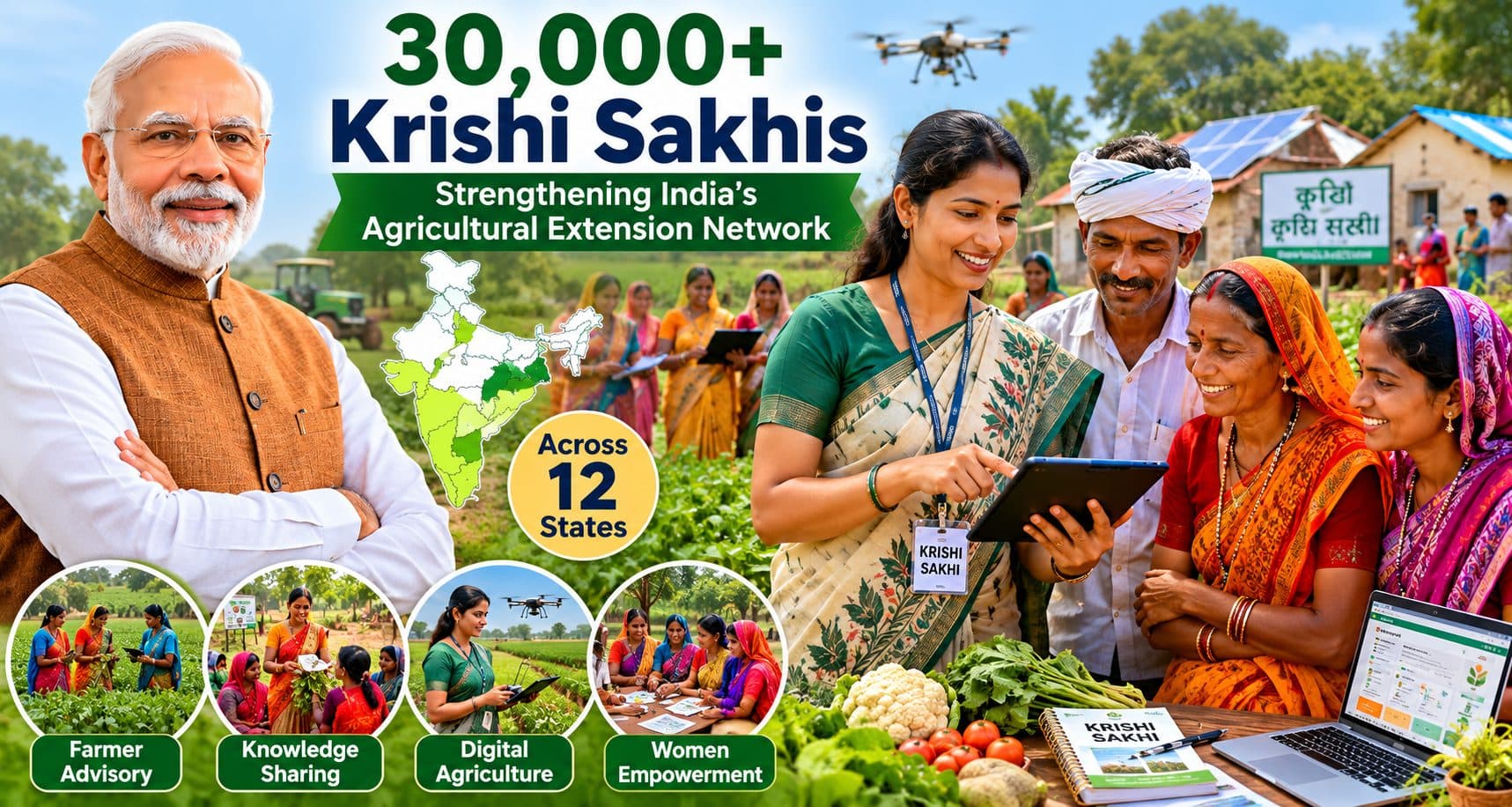
Extension Mobilization in India: PM Narendra Modi Certifies 30,000+ Krishi Sakhis to Strengthen Agricultural Advisory Services
India's agricultural extension ecosystem is undergoing a major transformation as more than 30,000 self-help group members have been certified as Krishi Sakhis across 12 states. This initiative aims to create a decentralized network of grassroots para-extension workers who can bridge knowledge gaps, improve technology adoption, and empower rural women while accelerating farm productivity and sustainability.

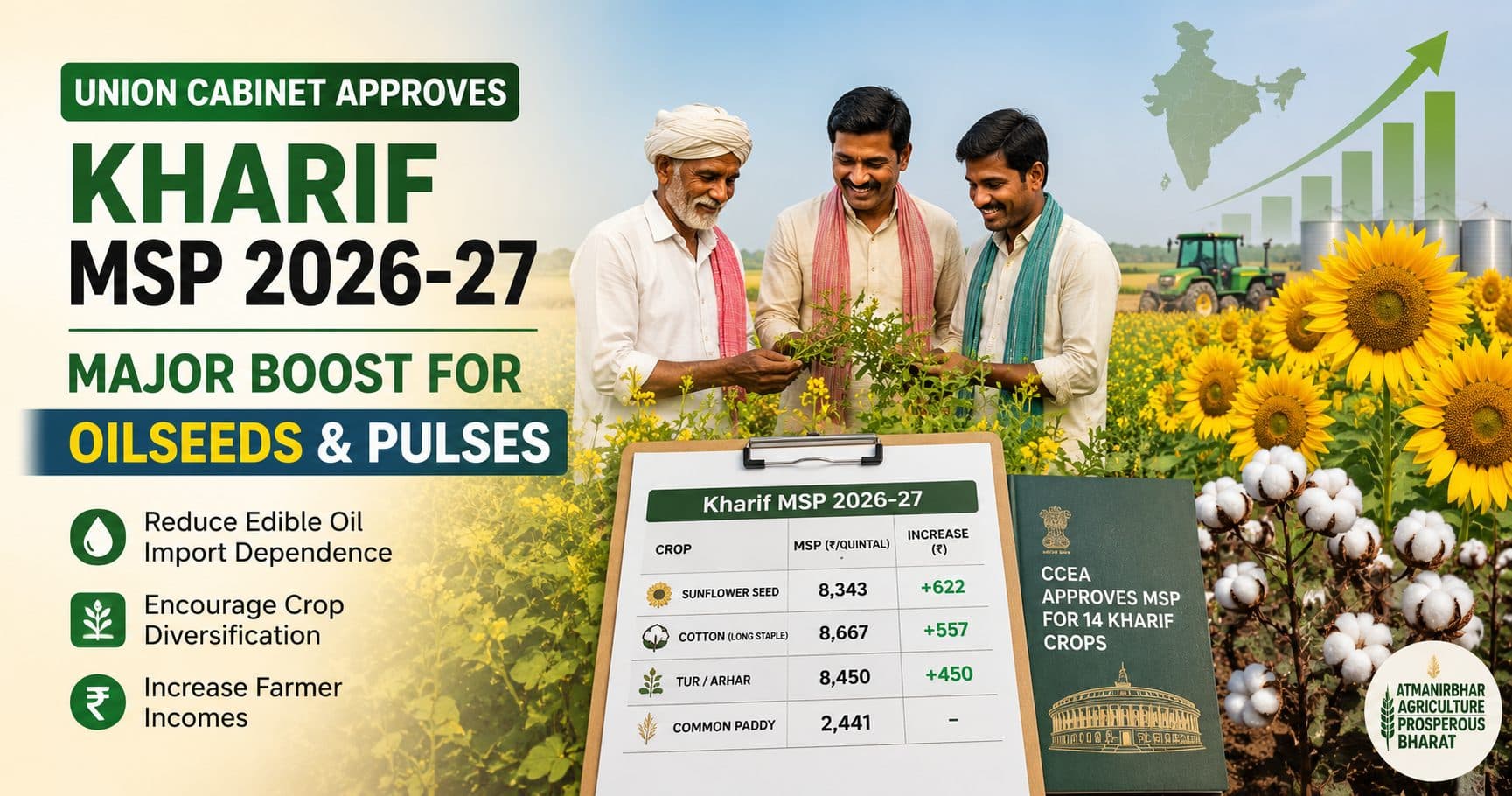
Union Cabinet Approves Kharif MSP 2026-27: Major Boost for Oilseeds and Pulses to Reduce Import Dependence
The Union Cabinet has approved the Minimum Support Prices (MSP) for Kharif Marketing Season 2026-27, introducing significant increases for oilseeds and pulses. With the highest hike awarded to sunflower seed, followed by cotton and tur/arhar, the policy signals a strategic shift toward reducing edible oil imports, improving farmer profitability, and encouraging crop diversification beyond traditional paddy cultivation.

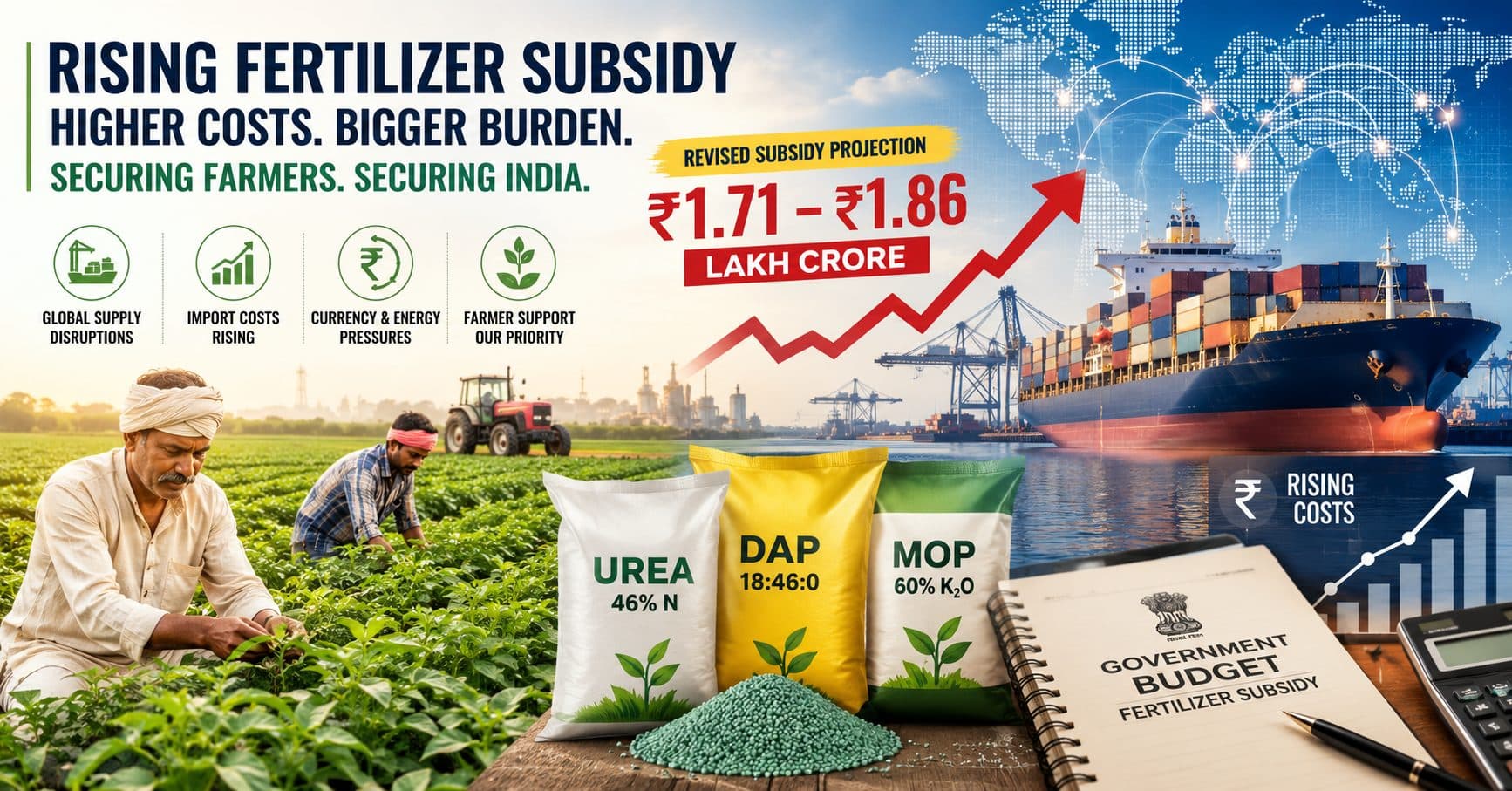
India’s Fertilizer Subsidy Bill May Rise to ₹1.86 Lakh Crore: What It Means for Farmers, Agribusinesses, and Agricultural Sustainability
Rising global chemical logistics costs, import dependencies, and macroeconomic pressures are pushing India's fertilizer subsidy requirements higher than expected. With revised projections ranging between ₹1.71 lakh crore and ₹1.86 lakh crore, farmers, policymakers, and agribusiness stakeholders must prepare for significant implications across input pricing, government spending, and agricultural sustainability.

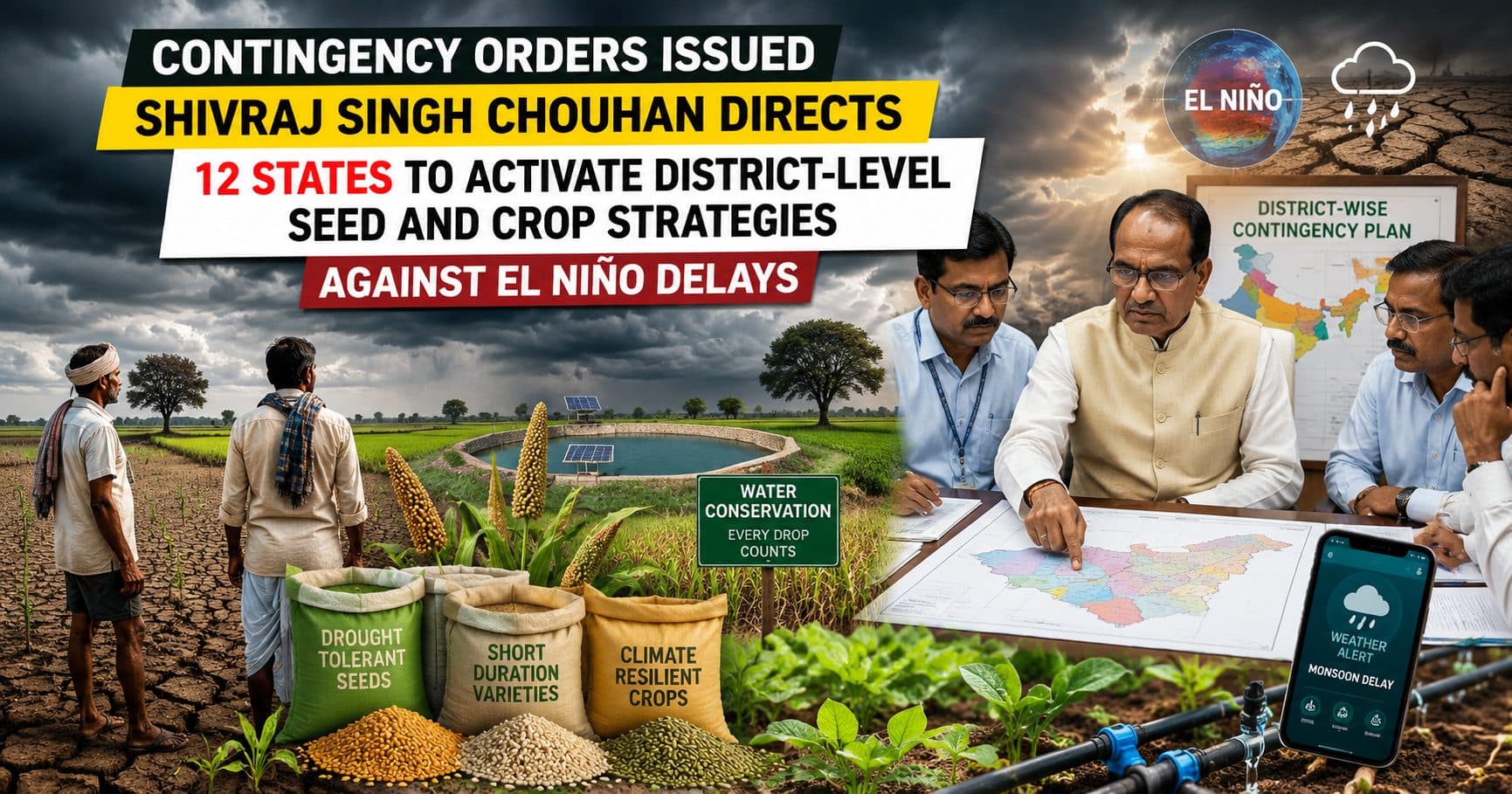
Contingency Orders Issued: Shivraj Singh Chouhan Directs 12 States to Activate District-Level Seed and Crop Strategies Against El Niño Delays
As El Niño threatens delayed rainfall and a weaker Kharif season, Agriculture Minister Shivraj Singh Chouhan has instructed 12 highly exposed states to immediately activate district-level contingency plans. The strategy focuses on drought-tolerant seeds, alternative crops, moisture conservation, and rapid farmer advisories to safeguard agricultural productivity and farm incomes.

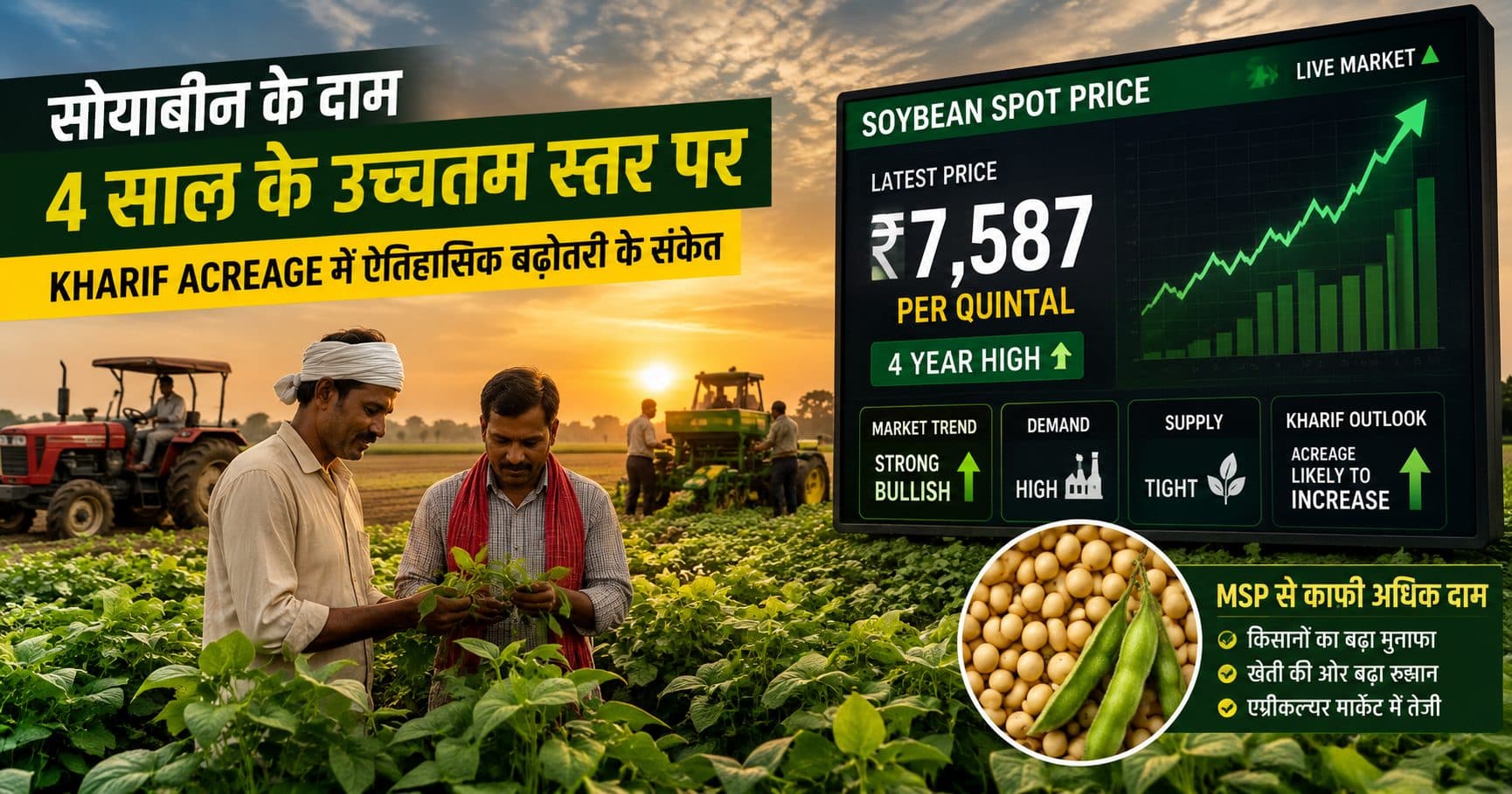
Market Arbitrage in Soybean: Spot Prices Hit ₹7,587 per Quintal, Triggering a Potential Kharif Acreage Boom
Domestic soybean markets are witnessing a historic rally as spot prices touch ₹7,587 per quintal, the highest level in four years. With market prices significantly exceeding the newly announced MSP, farmers across major soybean-growing states are expected to expand Kharif acreage aggressively. This shift could reshape crop planning, farm profitability, and commodity market dynamics in the upcoming season.

MCA Rule 4A Inundation: Are CFOs Increasing ZCZP–Social Stock Exchange Routing to Avoid Impact Assessment Audits?
As compliance requirements evolve under India's social finance ecosystem, many observers are questioning whether Zero Coupon Zero Principal (ZCZP) instruments listed through the Social Stock Exchange could become a preferred route for corporations seeking regulatory flexibility. This article examines the implications, risks, governance concerns, and future outlook surrounding the emerging debate around MCA Rule 4A and impact assessment obligations.

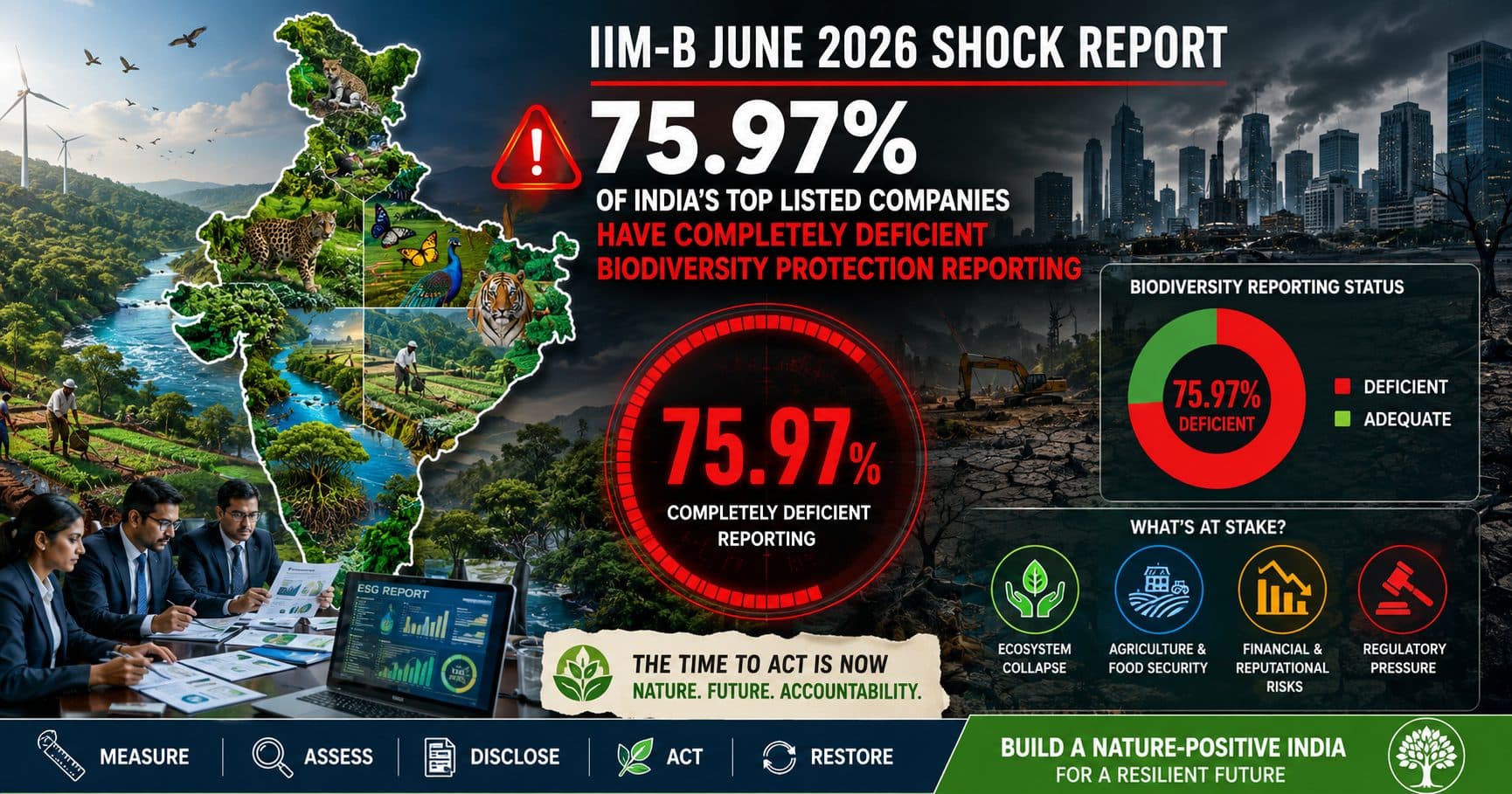
IIM-B June 2026 Shock Report: 75.97% of India's Top Listed Companies Fail Biodiversity Protection Reporting
A June 2026 report associated with IIM Bangalore has raised serious concerns about corporate sustainability in India, revealing that 75.97% of top listed companies reportedly have completely deficient biodiversity protection reporting. Discover what this means for agriculture, food systems, ESG compliance, investors, and the future of nature-positive business practices.

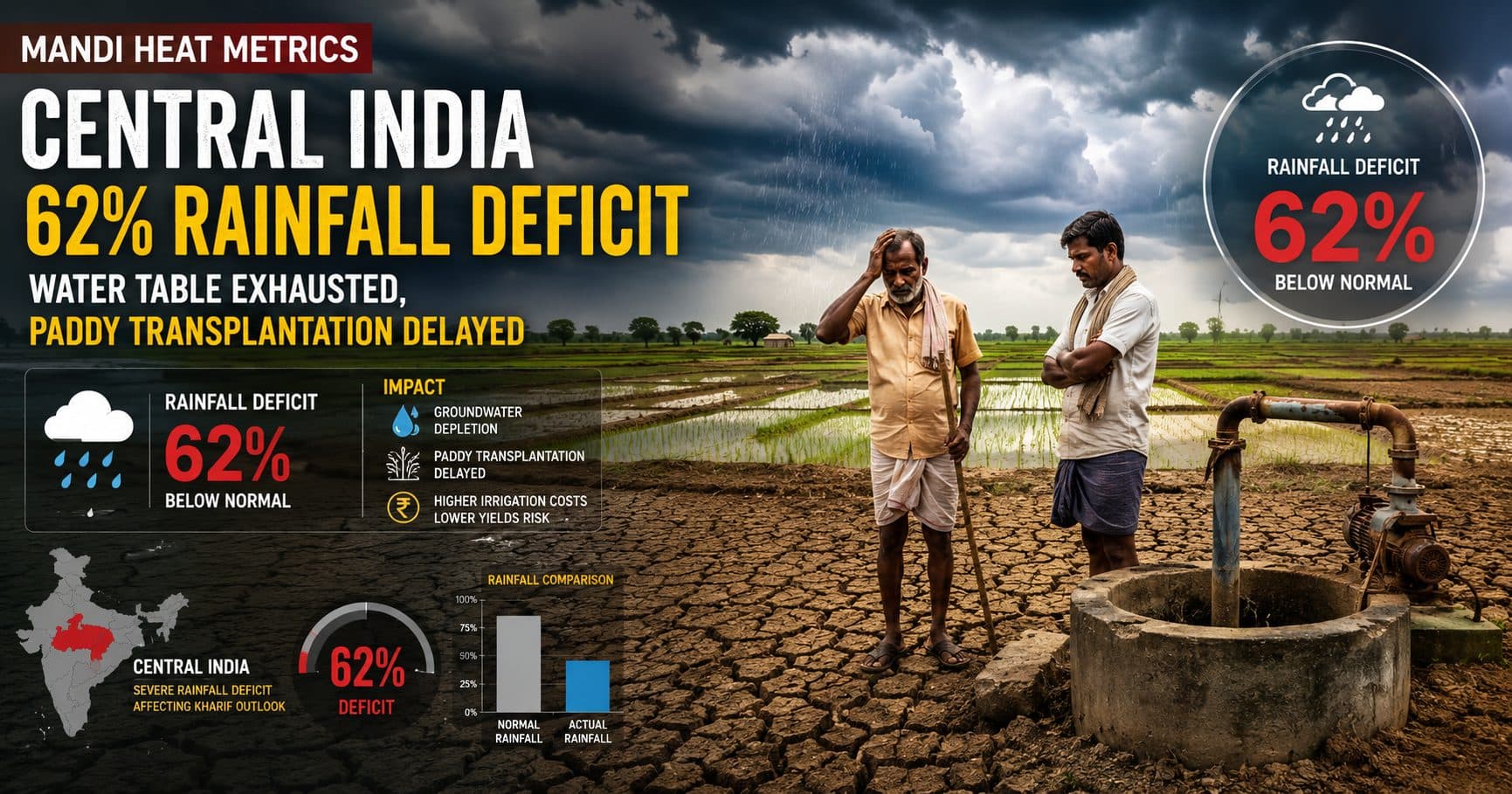
Mandi Heat Metrics: Central India Faces 62% Rainfall Deficit, Delaying Paddy Transplantation and Straining Water Resources
A severe 62% localized rainfall deficit across parts of Central India is accelerating water table depletion and disrupting the traditional paddy transplantation calendar. Farmers are facing rising irrigation costs, increased crop establishment risks, and growing uncertainty around kharif season productivity. Understanding the implications and adopting adaptive strategies is now critical for agricultural resilience.

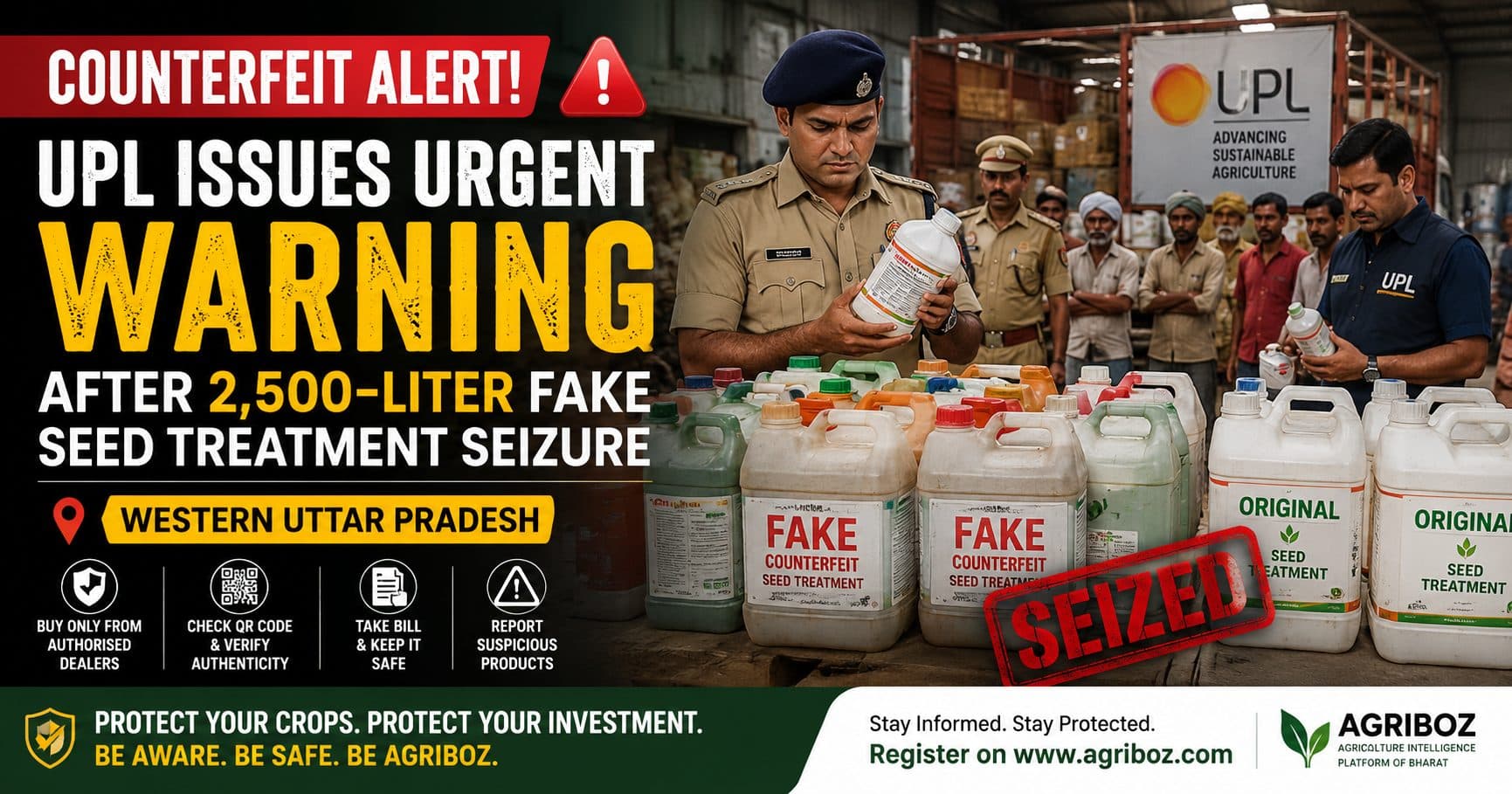
Counterfeit Agrochemicals Alert: UPL Warns Western Uttar Pradesh Farmers After 2,500-Liter Fake Seed Treatment Seizure
A major seizure of 2,500 liters of counterfeit seed treatment chemicals has triggered an urgent warning from UPL across Western Uttar Pradesh. Farmers are being advised to verify product authenticity, purchase only from authorized dealers, and protect crop productivity from the growing threat of fake agricultural inputs.

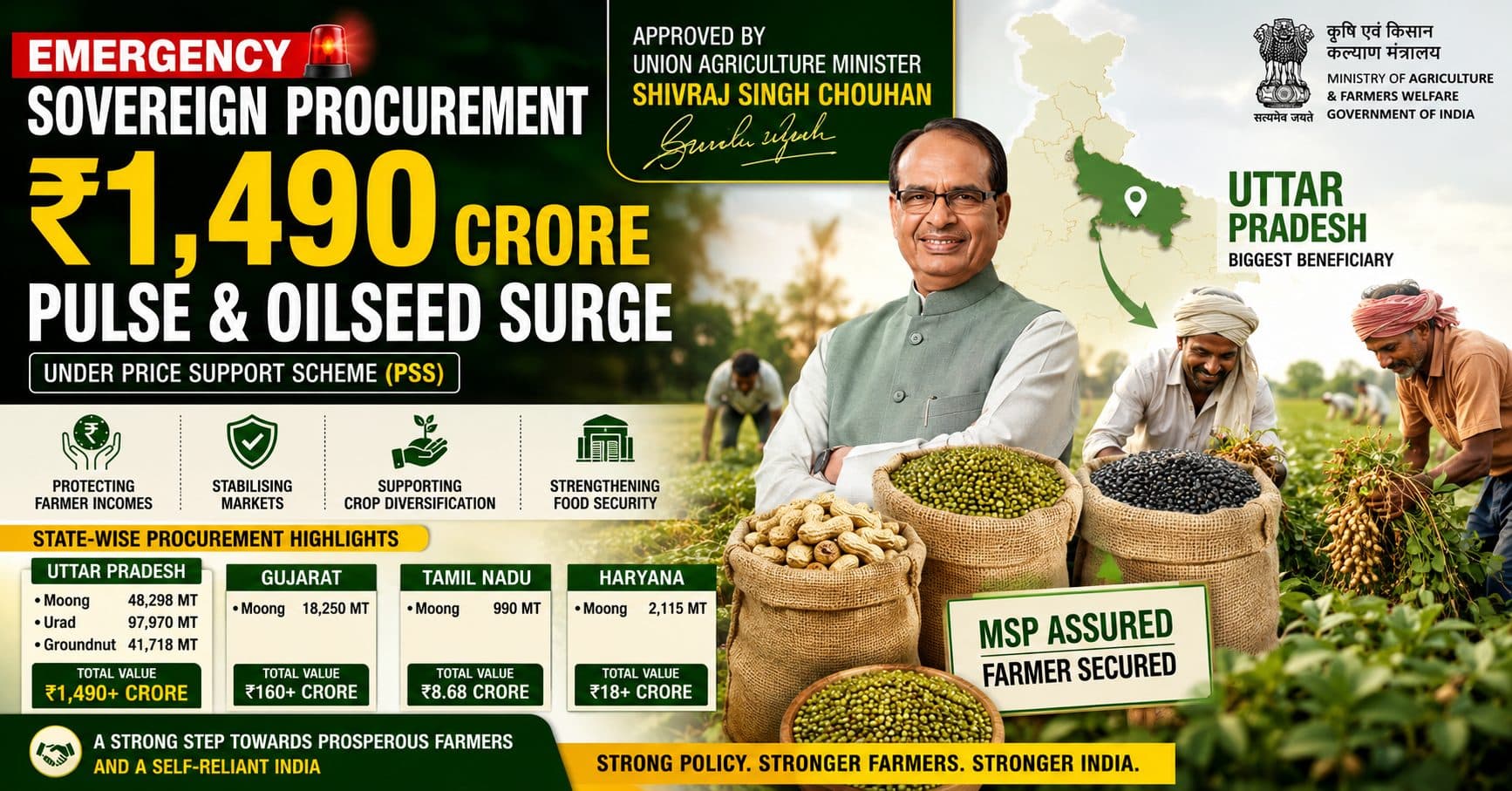
Emergency Sovereign Procurement: Shivraj Singh Chouhan Approves ₹1,490 Crore PSS Boost for Pulses and Oilseeds, Uttar Pradesh Emerges Biggest Winner
The Union Government has approved a major ₹1,490 crore procurement package under the Price Support Scheme (PSS), strengthening MSP support for pulse and oilseed farmers. Uttar Pradesh has emerged as the largest beneficiary, with large-scale procurement of moong, urad, and groundnut aimed at preventing distress sales and improving farmer incomes.

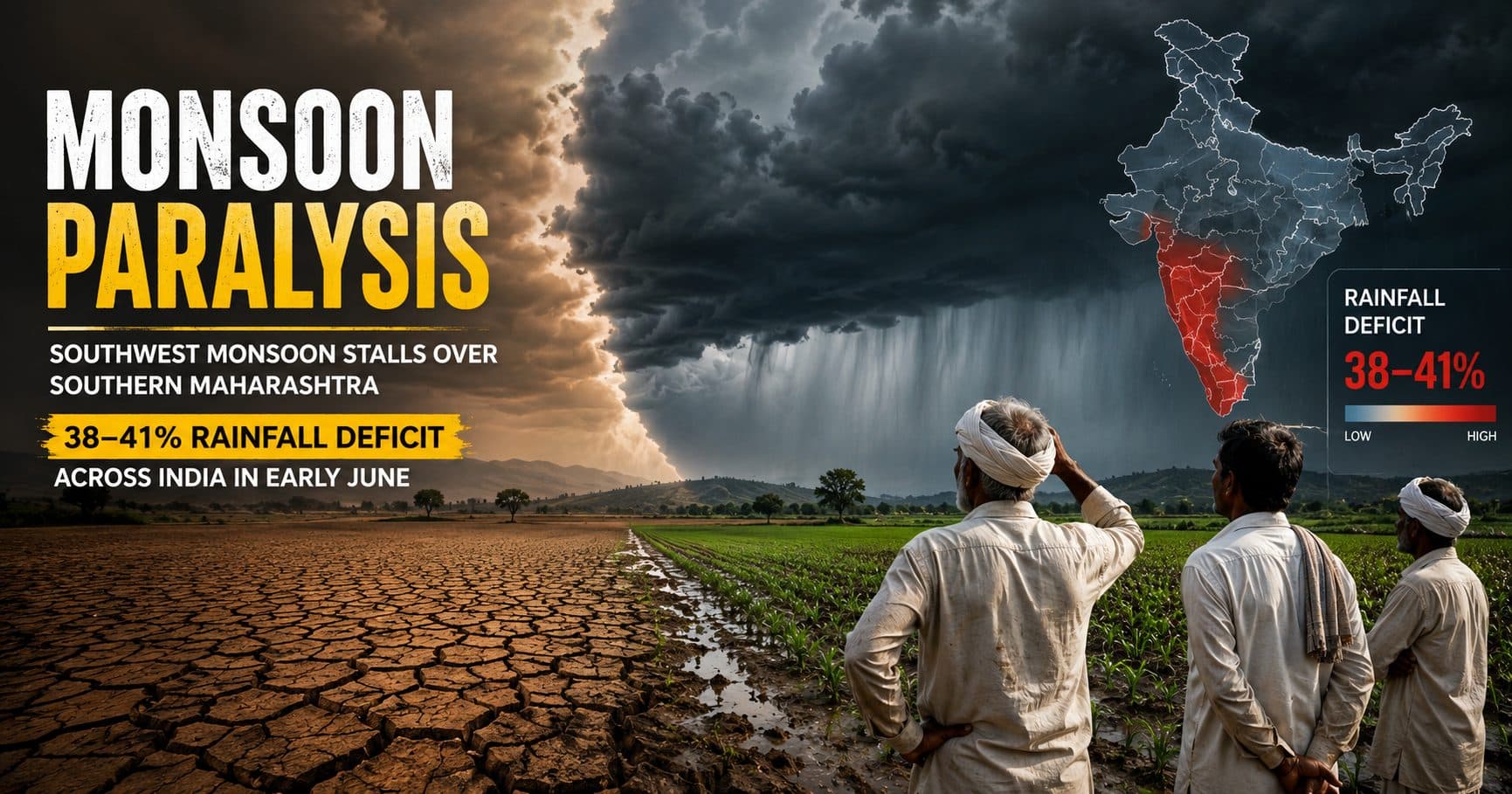
Monsoon Paralysis: Why the Southwest Monsoon Stalled Over Maharashtra and What a 38–41% Rainfall Deficit Means for India
A major slowdown in the Southwest Monsoon over southern Maharashtra has raised concerns across India's agricultural landscape. With an estimated early-June rainfall deficit of 38–41%, farmers, policymakers, and agri-businesses are closely monitoring the situation. Here's what the monsoon stall means for crops, water resources, and rural livelihoods.

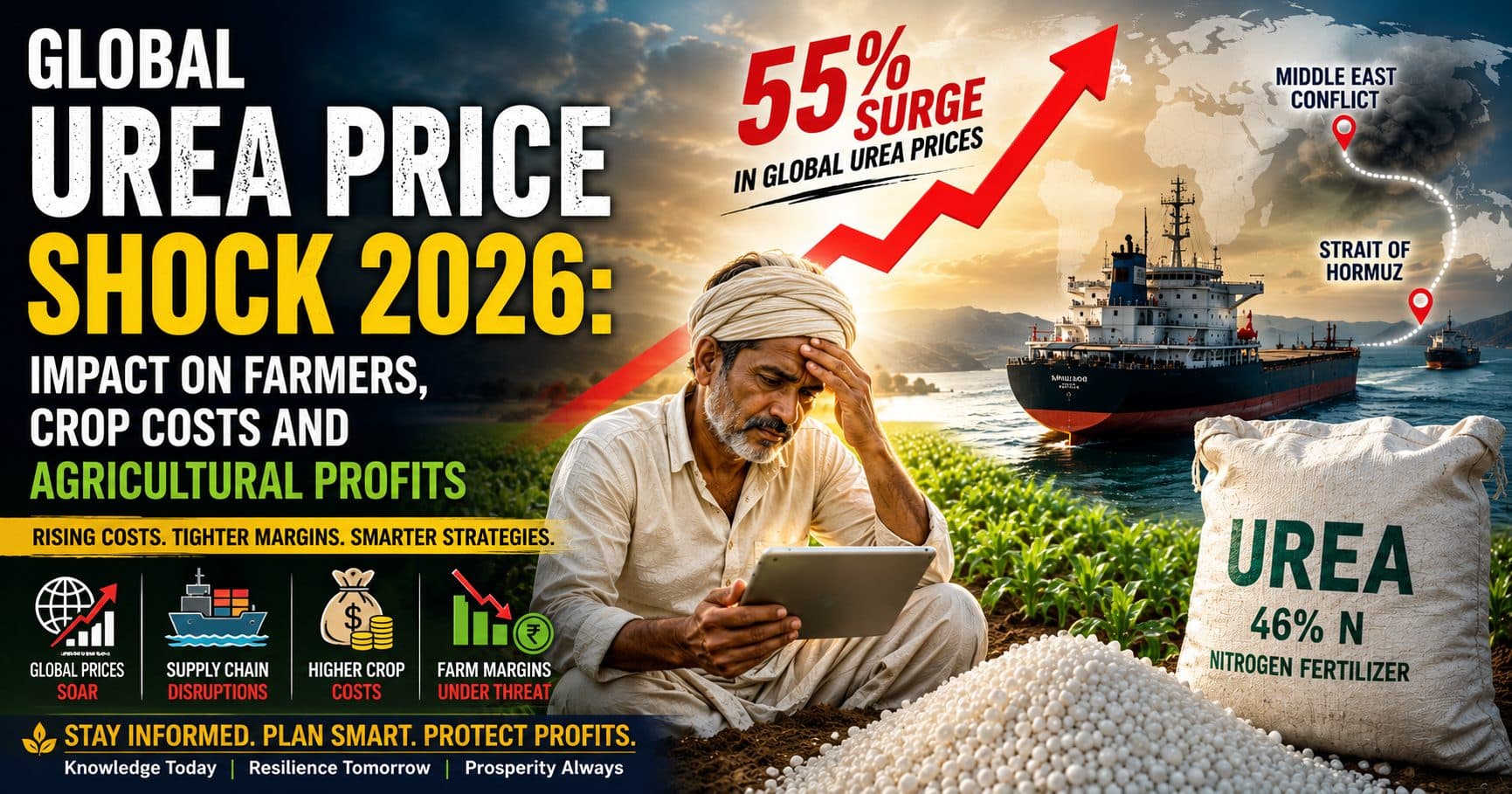
Global Urea Prices Surge 55%: Impact on Farmers, Crops, and Agricultural Profits
A sharp 55% increase in global urea prices is creating a major cost shock across agriculture. With geopolitical instability in the Middle East and transport disruptions affecting critical trade routes, nitrogen-dependent crops face margin pressure, forcing farmers and agribusinesses to rethink nutrient management, crop planning, and profitability strategies.

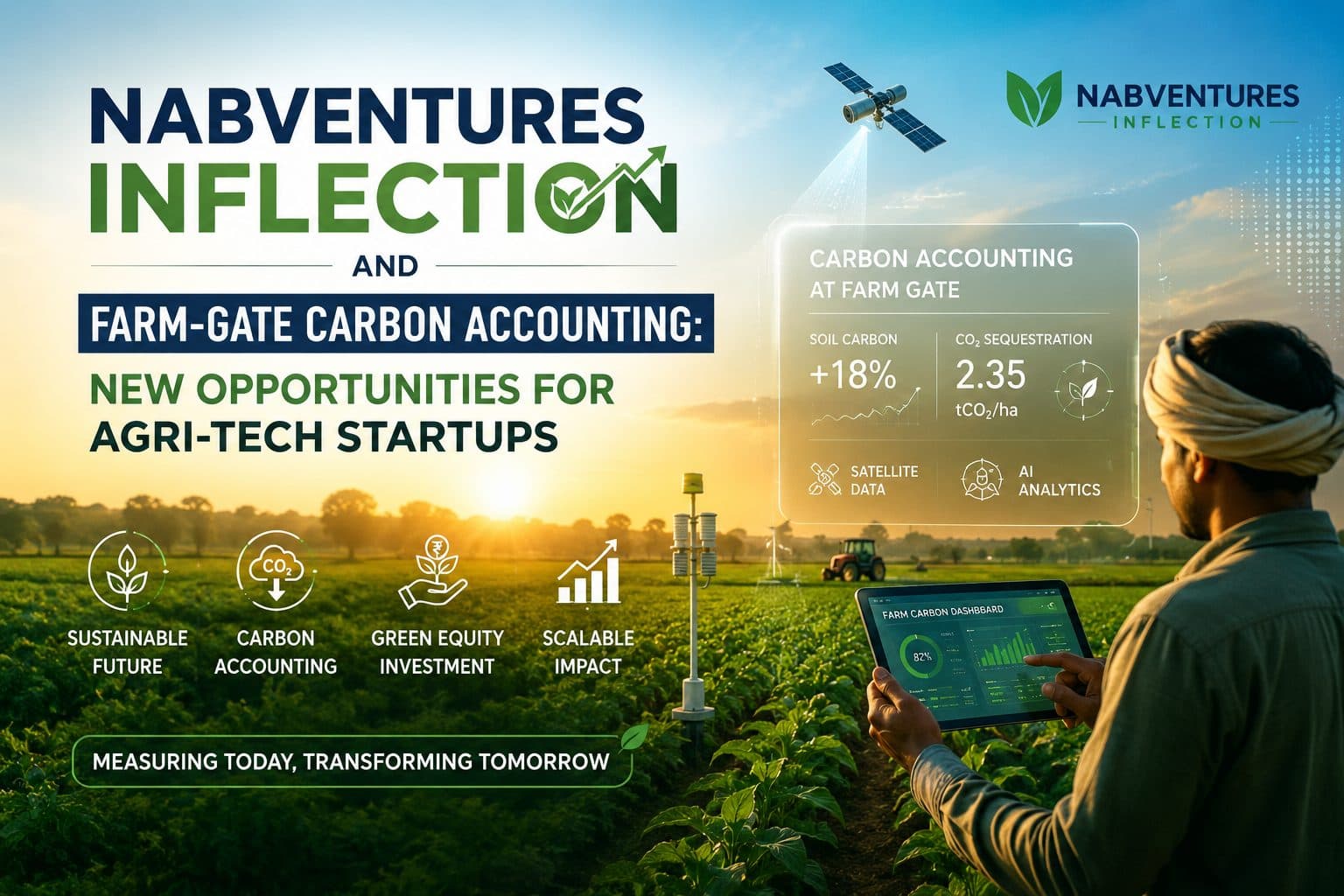
NABVENTURES Inflection and Farm-Gate Carbon Accounting: New Opportunities for Agri-Tech Startups
NABVENTURES Inflection's fresh green-equity investments signal a major shift in Indian agriculture. Agri-tech startups that can deliver transparent, traceable carbon accounting at the farm gate may become key players in the emerging climate-smart agricultural economy.

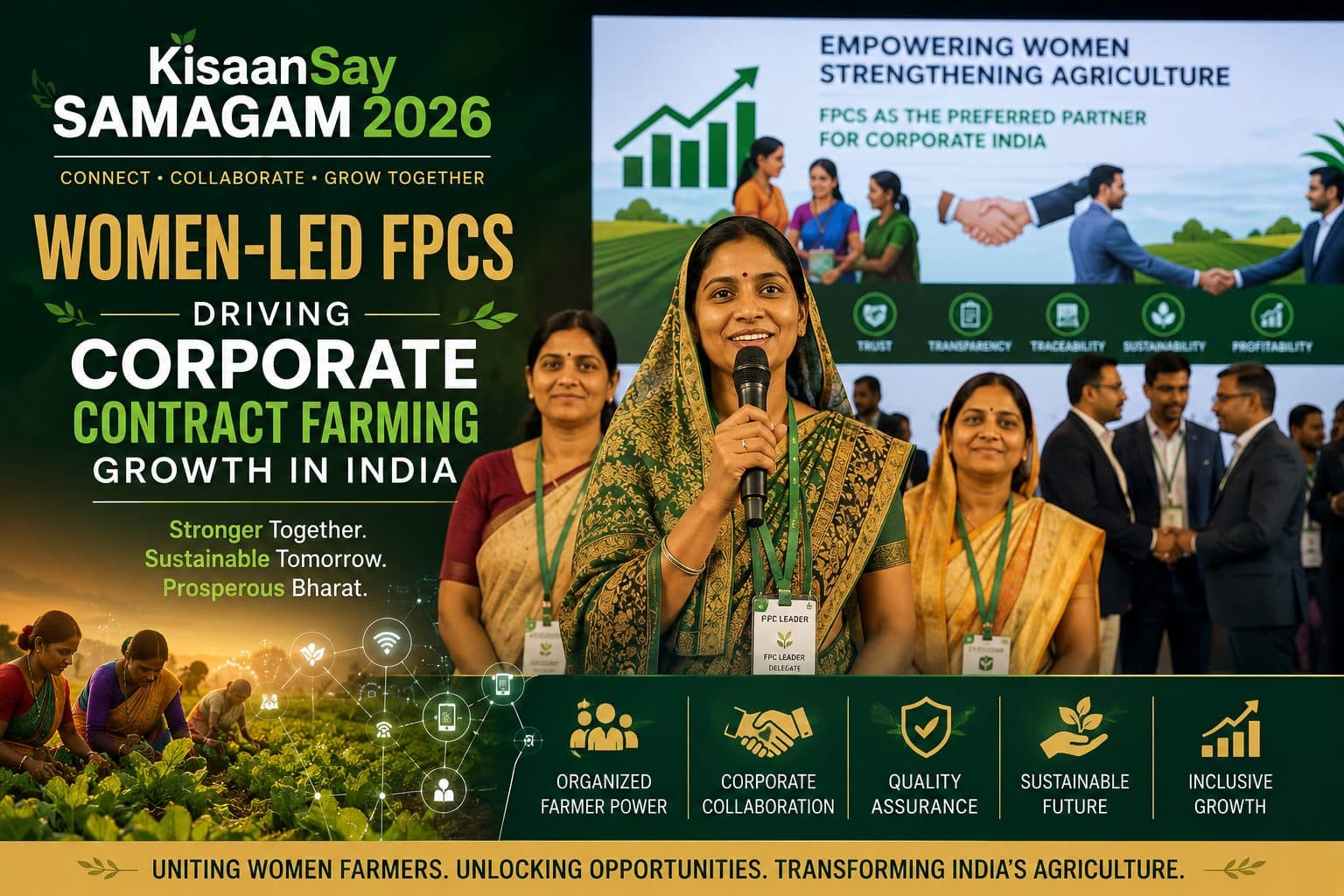
KisaanSay Samagam 2026: Women-Led FPCs Driving Corporate Contract Farming Growth in India
KisaanSay Samagam 2026 placed women-led Farmer Producer Companies at the center of India's next agricultural transformation. The summit showcased how organized women farmers are becoming trusted partners for corporate buyers seeking quality, traceability, and sustainable supply chains.

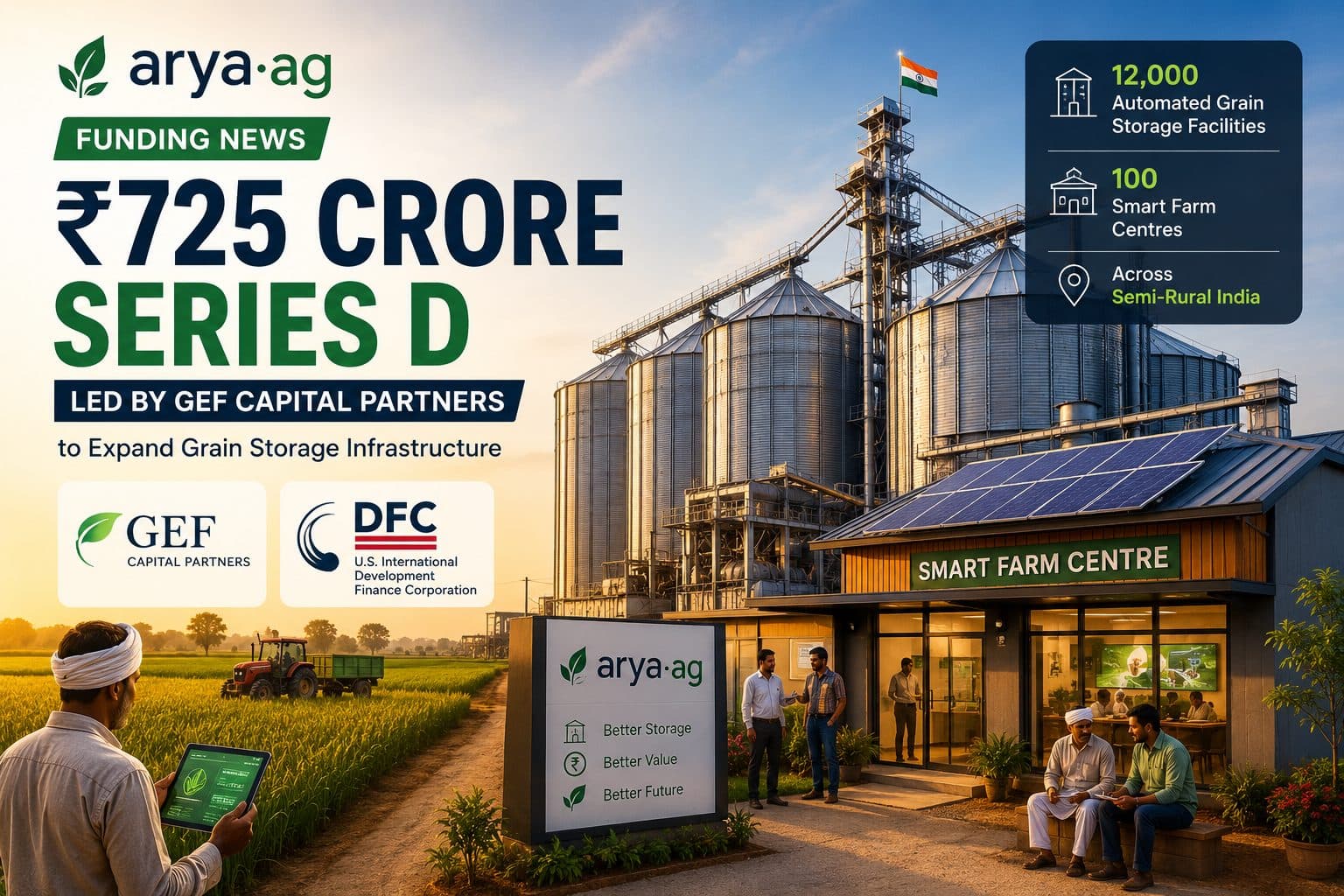
Arya.ag Funding News: ₹725 Crore Series D Led by GEF Capital to Expand Grain Storage Infrastructure
Arya.ag's ₹725 crore Series D funding signals a major shift in agritech investment. Rather than focusing only on digital marketplaces, investors are backing physical infrastructure that improves storage, reduces post-harvest losses, and strengthens rural agricultural ecosystems across India.

Global VC Shift Toward Climate Deep Tech and Automated Water Systems in 2026
A major transformation is unfolding in global venture capital. Investors who once chased rapid-growth marketplace startups are now directing billions toward climate-resilient deep technology, water automation, and infrastructure innovation. This shift could redefine agriculture, sustainability, and future investment opportunities across Bharat and beyond.

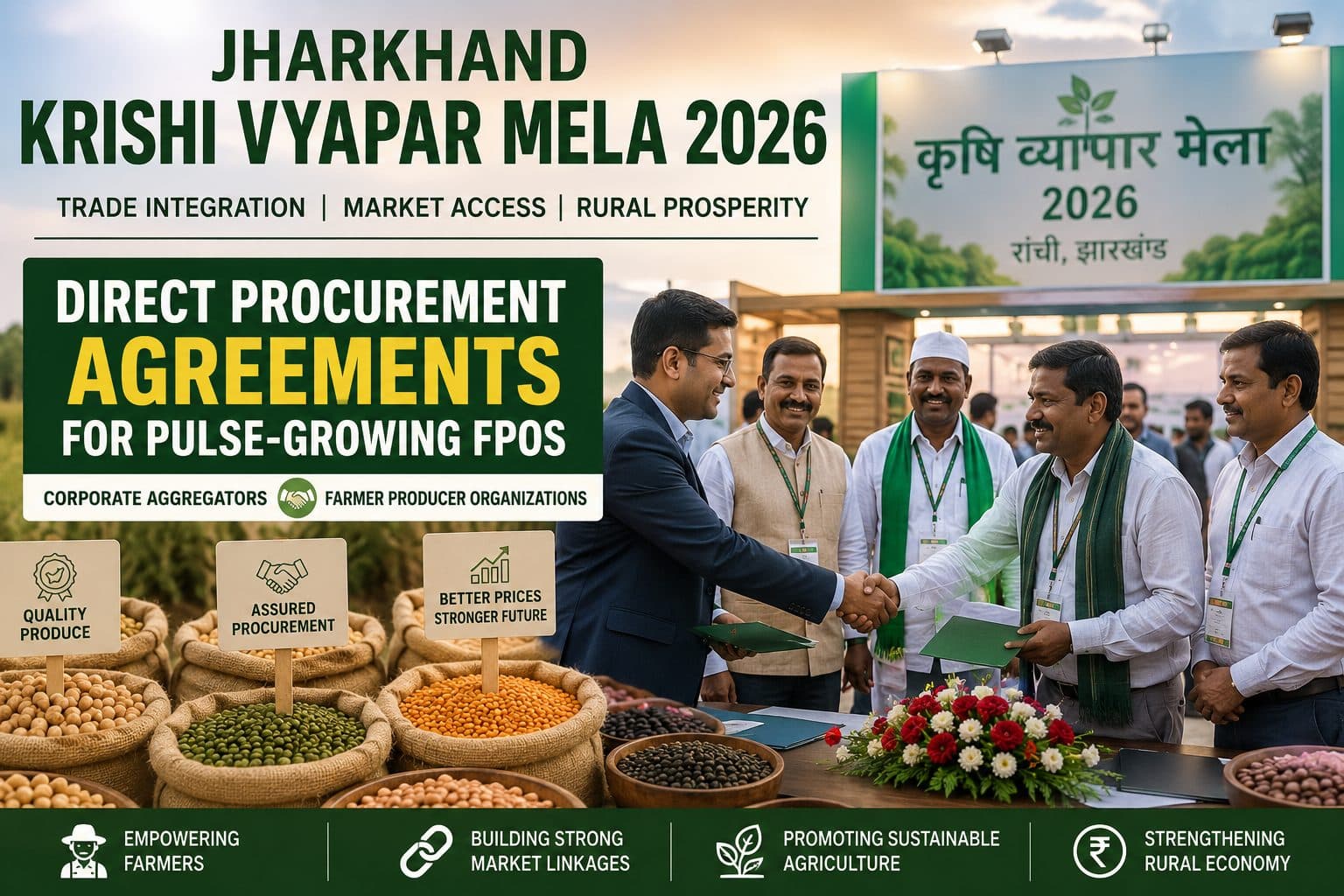
Jharkhand Krishi Vyapar Mela 2026 Generates Direct Procurement Agreements for Pulse FPOs
The successful conclusion of Jharkhand’s Krishi Vyapar Mela 2026 signals a major shift toward organized agricultural trade. Direct procurement agreements between corporate buyers and pulse-growing FPOs could improve price realization, strengthen supply chains, and unlock new opportunities for rural producers.

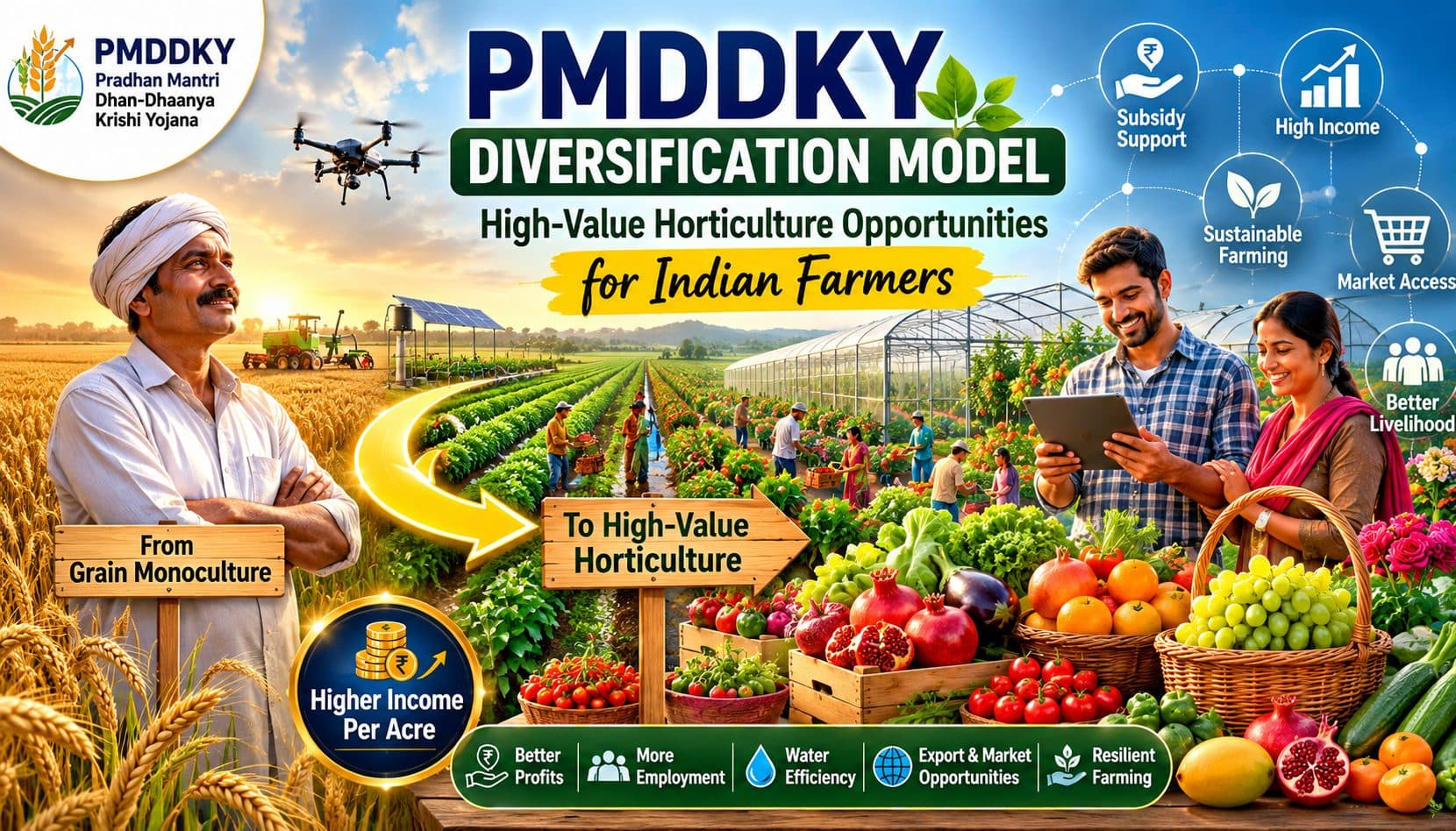
PMDDKY Diversification Model: Transition from Grain Monoculture to High-Value Horticulture
The PMDDKY diversification model aims to help farmers move beyond traditional grain monoculture by supporting high-value horticulture. Explore how this transition can improve income, sustainability, market access, and long-term farm resilience.

PM-KISAN 23rd Installment Released: ₹18,880 Crore Transferred to 9.44 Crore Farmers
The 23rd PM-KISAN installment has delivered over ₹18,880 crore directly into the accounts of 9.44 crore verified farmers. Beyond immediate financial support, this massive liquidity infusion creates opportunities for farm productivity, rural spending, agricultural entrepreneurship, and ecosystem growth across Bharat.

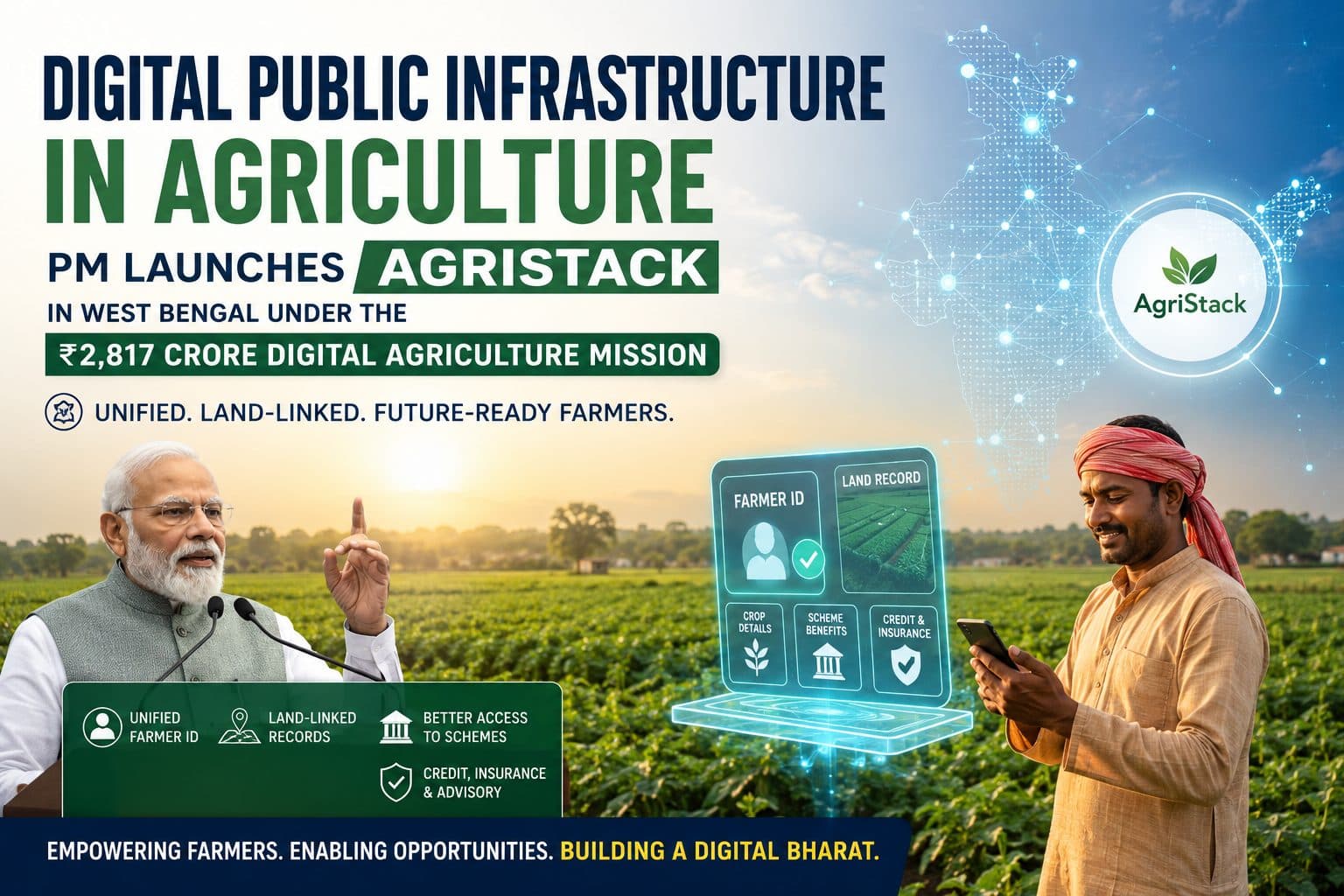
AgriStack Launch in West Bengal: Digital Agriculture Mission and Unified Farmer IDs Explained
India’s agricultural sector is entering a new digital era with the launch of AgriStack in West Bengal. Built under the ₹2,817 crore Digital Agriculture Mission, AgriStack aims to create unified, land-linked digital identities for farmers, enabling better access to government schemes, financial services, insurance, and precision agriculture solutions.

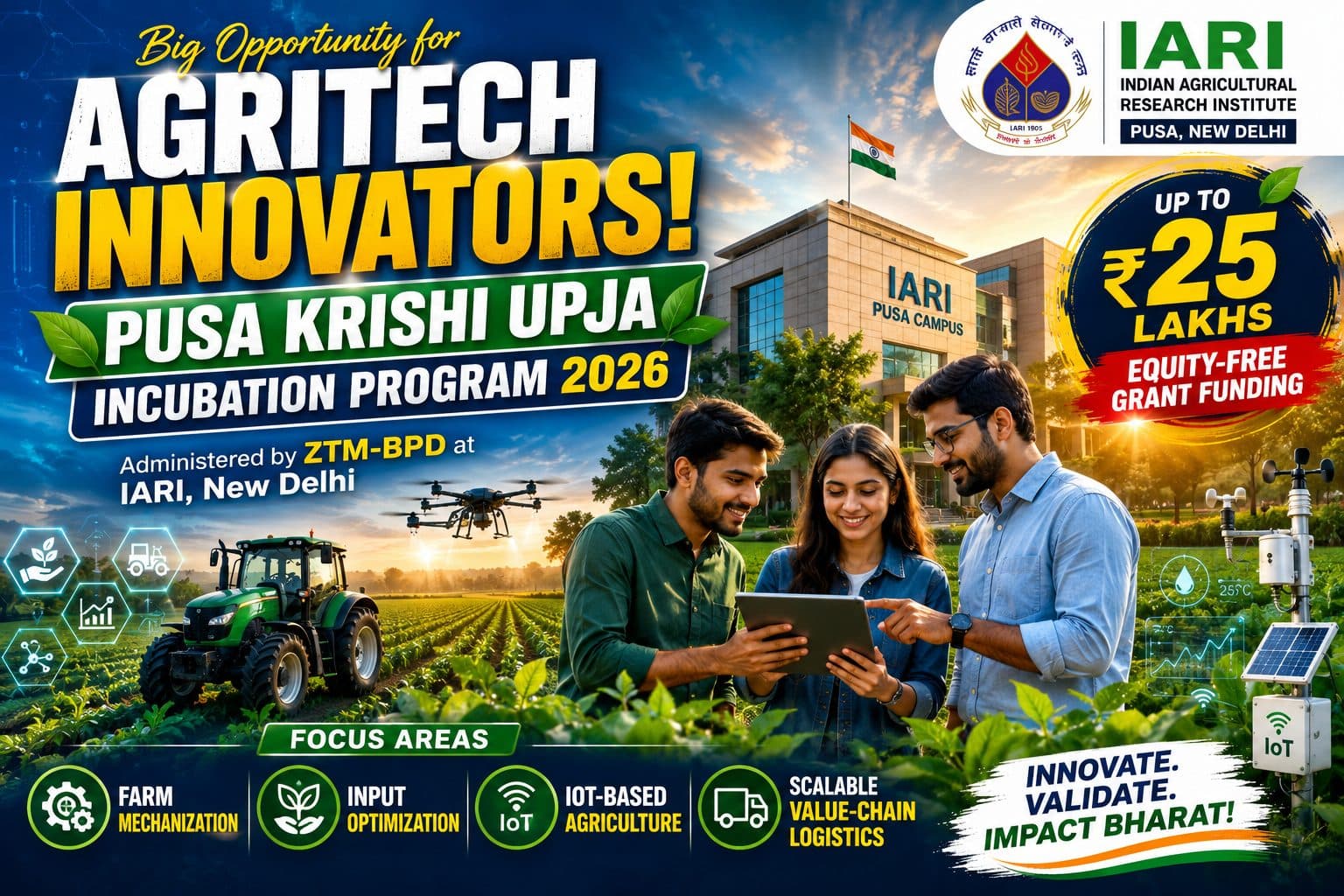
Pusa Krishi UPJA Incubation Program 2026 | Up to ₹25 Lakh Equity-Free Grant for Agritech Startups
The Pusa Krishi UPJA Incubation Program 2026 offers agritech startups a rare opportunity to secure up to ₹25 lakh in equity-free funding while gaining access to IARI’s technical ecosystem, industry experts, and policy networks. Discover why this program could become a growth catalyst for agriculture innovators.

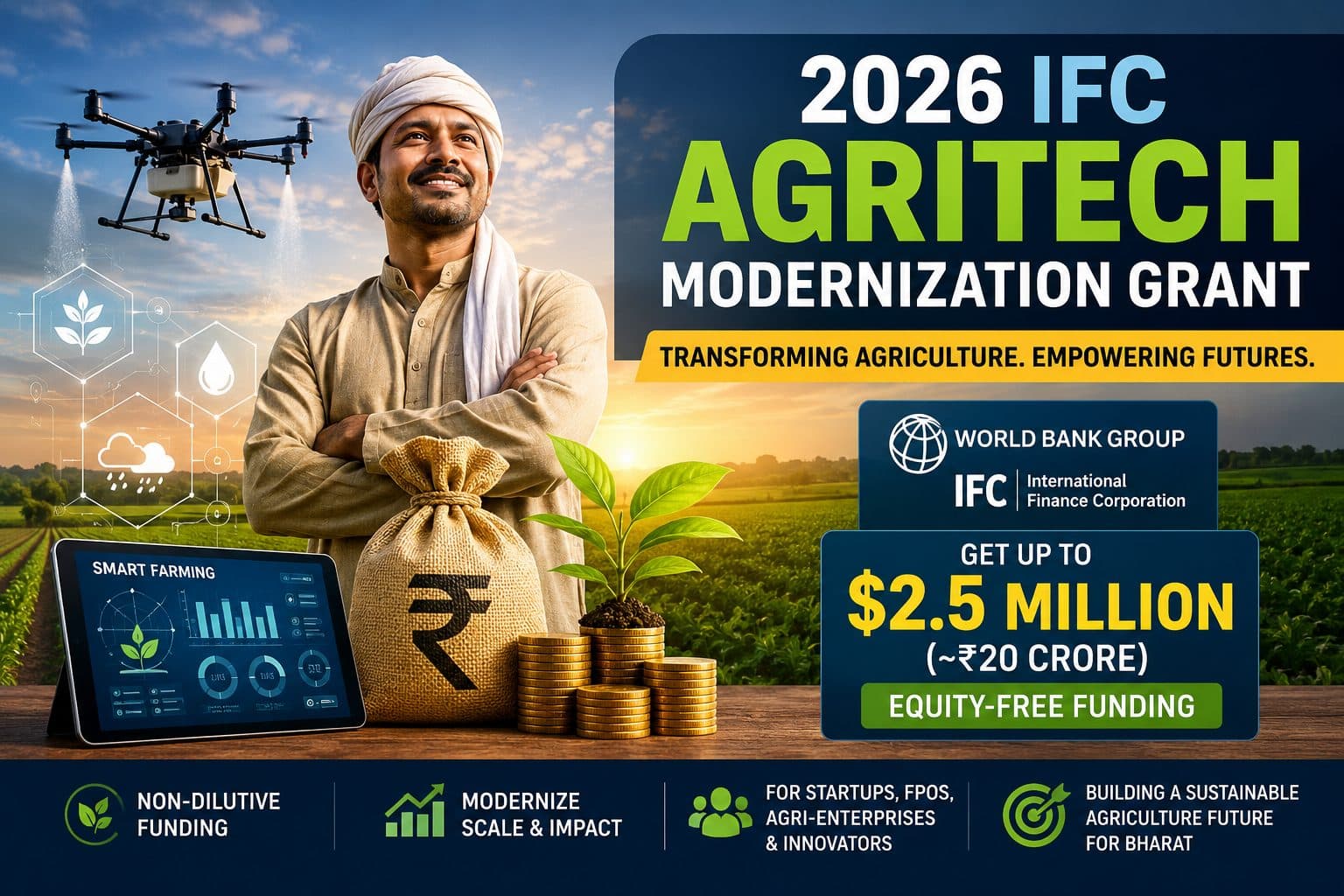
2026 IFC Agritech Modernization Grant: Get Up to ₹20 Crore Equity-Free Funding
The 2026 IFC Agritech Modernization Grant presents a significant opportunity for agritech startups, farmer producer organizations, agri-enterprises, and rural innovators seeking ₹83 lakh to ₹20 crore in non-dilutive funding. Discover how to position your agriculture venture for global funding success.

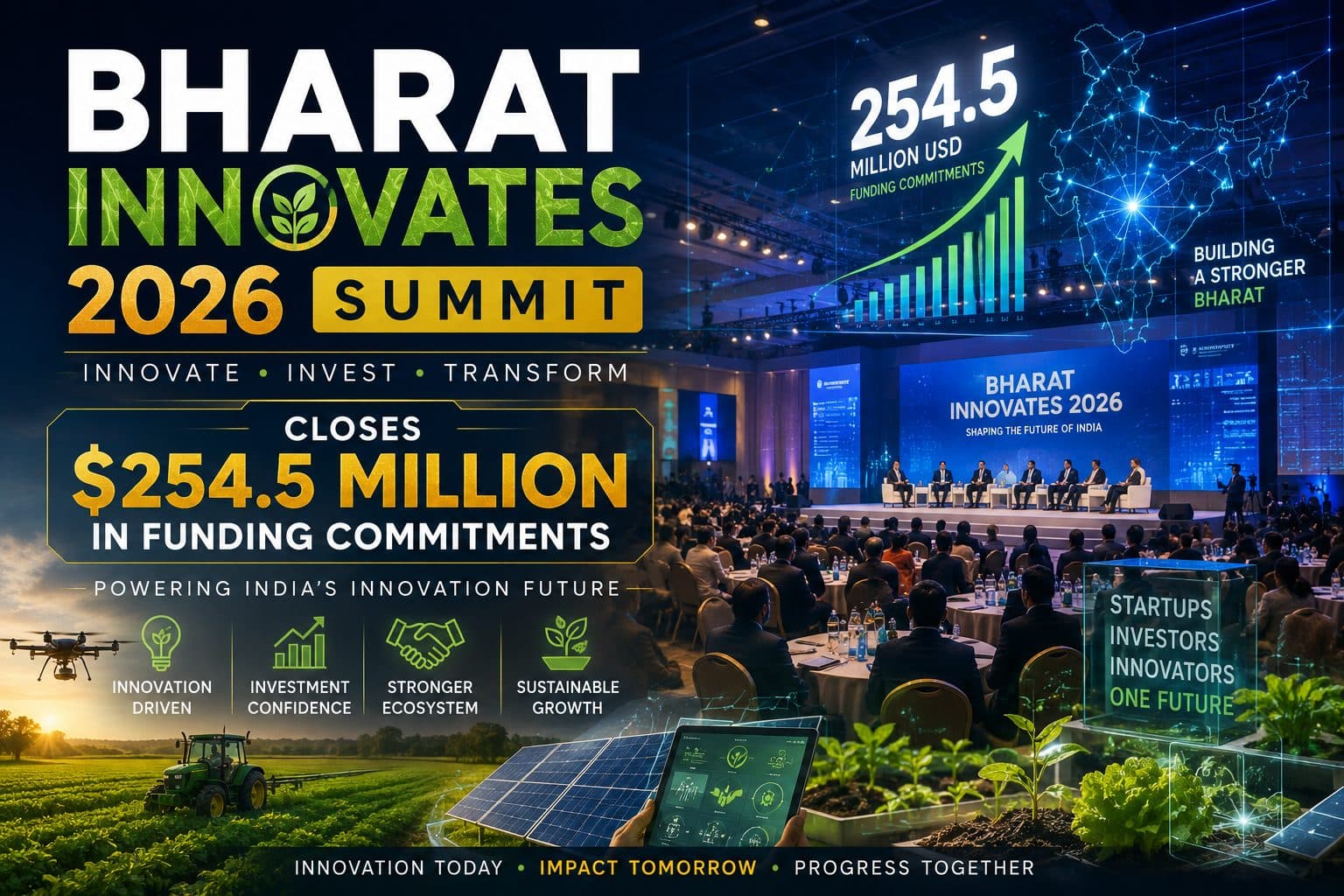
Bharat Innovates 2026 Summit Secures $254.5 Million in Funding Commitments
Bharat Innovates 2026 concluded with an impressive $254.5 million in funding commitments, highlighting India's growing innovation ecosystem and creating new opportunities for startups, agritech ventures, investors, and entrepreneurs nationwide.

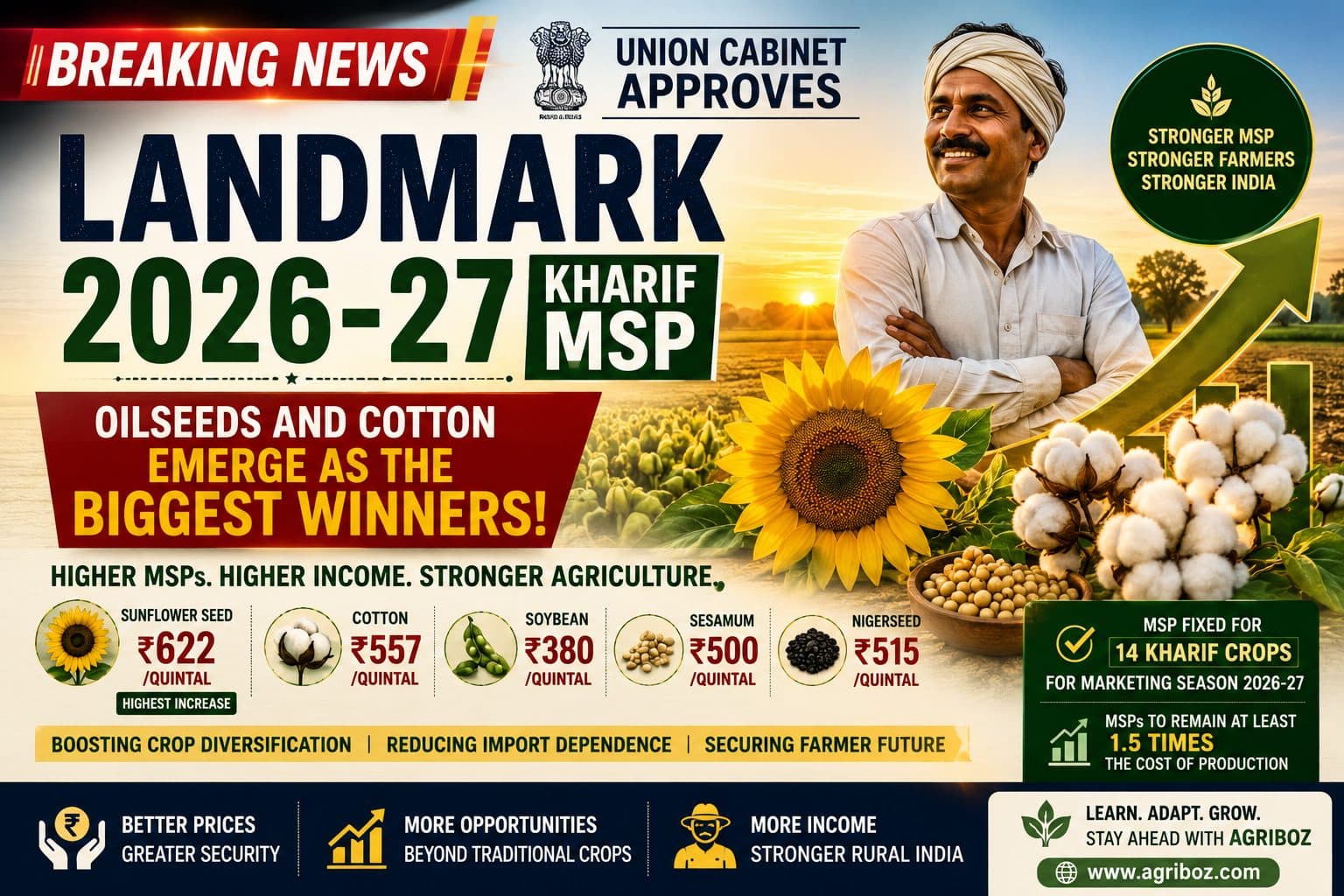
2026-27 Kharif MSP Approved: Major Incentives for Oilseeds and Cotton Farmers
The Union Cabinet has approved higher MSPs for 14 Kharif crops for the 2026-27 marketing season. Oilseeds and cotton received the largest increases, signaling a strategic push toward crop diversification, import reduction, and stronger farm incomes. The decision could reshape cropping patterns across India.

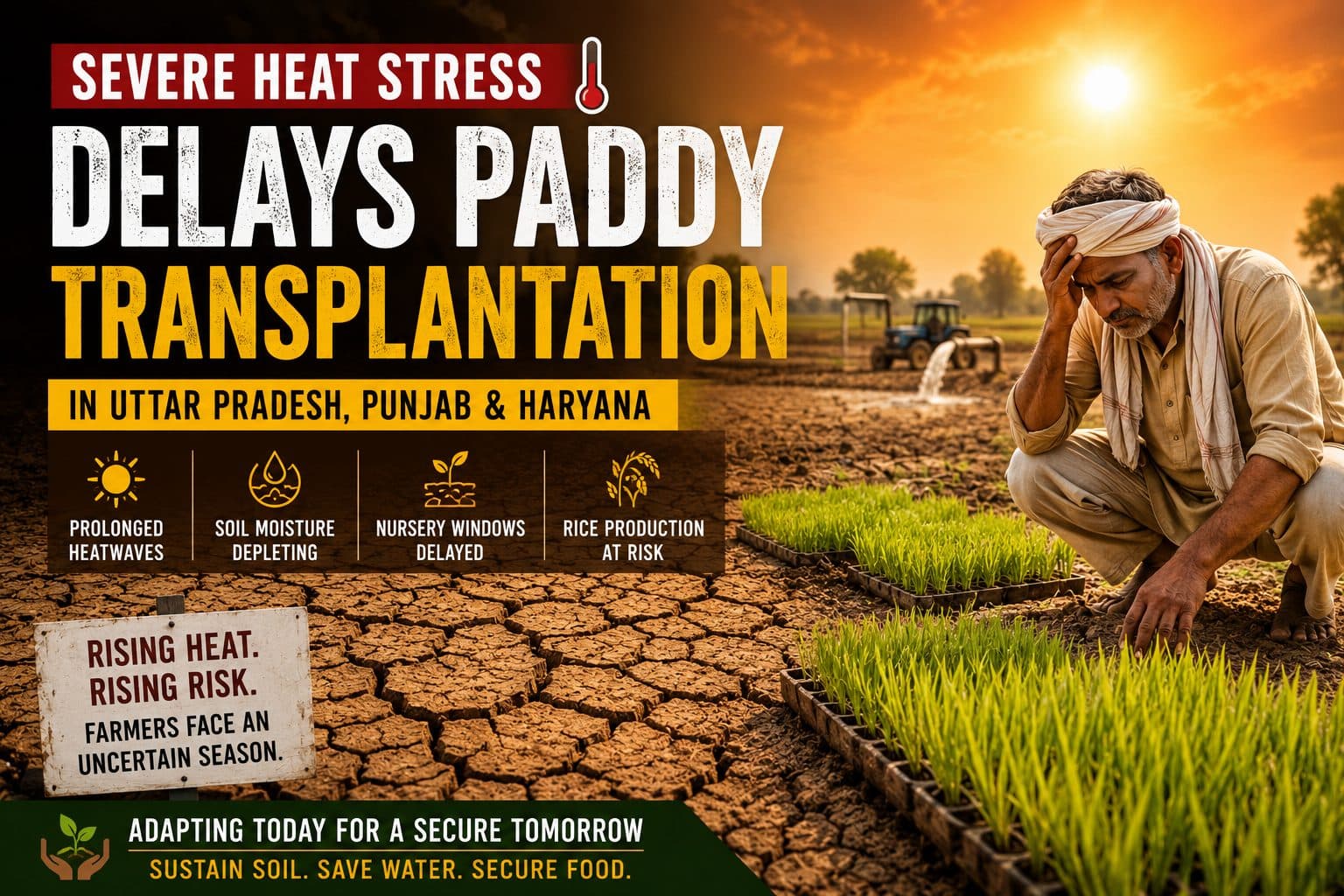
Severe Heat Stress Delays Paddy Transplantation in Uttar Pradesh, Punjab and Haryana
Unprecedented heatwaves across Uttar Pradesh, Punjab, and Haryana are depleting surface soil moisture and disrupting traditional paddy transplantation schedules. As climate pressures intensify, farmers must adapt to new realities that could reshape rice production across India's agricultural heartland.

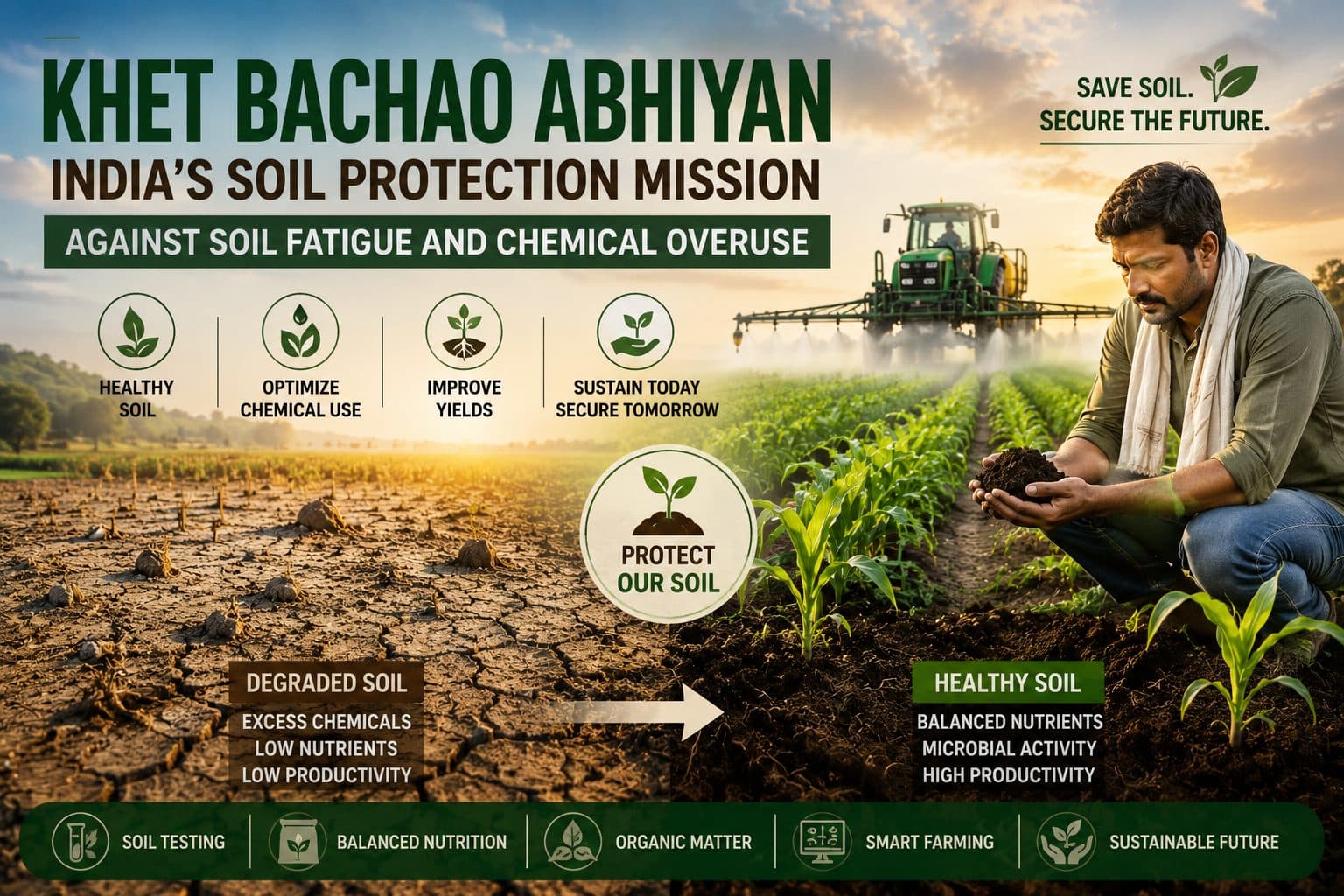
Khet Bachao Abhiyan: India’s Soil Protection Mission Against Soil Fatigue and Chemical Overuse
India is shifting from production-focused agriculture to resource-focused farming. Through Khet Bachao Abhiyan, the government aims to optimize chemical applications, restore soil health, and combat growing soil fatigue. This strategic move could reshape farm profitability and sustainability for decades.

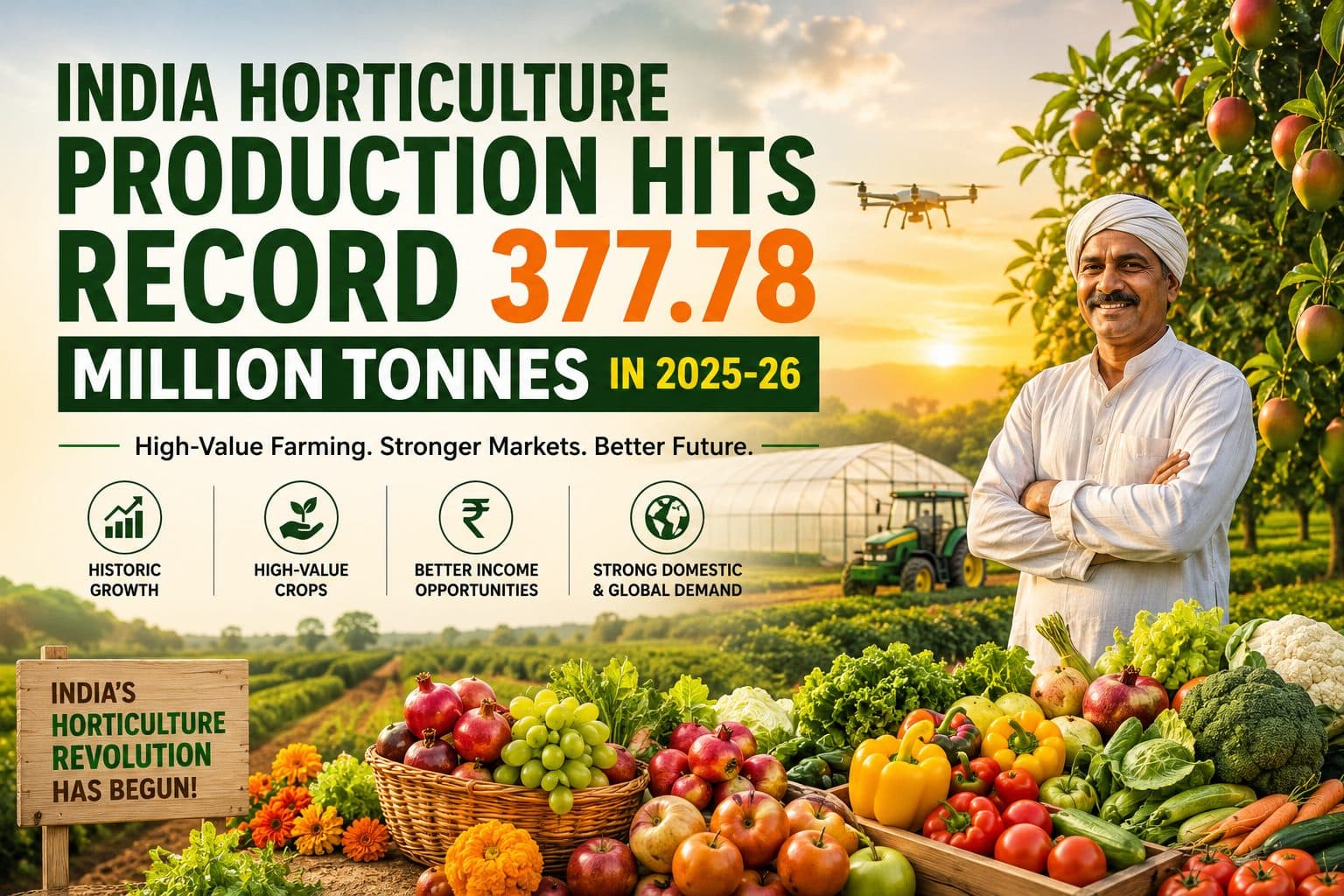
India Horticulture Production Hits Record 377.78 Million Tonnes in 2025-26: Opportunities for Farmers
India is witnessing a historic agricultural milestone. The Ministry of Agriculture projects horticulture production to reach 377.78 million tonnes in 2025-26, reflecting a major shift toward high-value crops. This record output signals new income opportunities, changing consumer demand, and a transformation in how Bharat farms for the future.

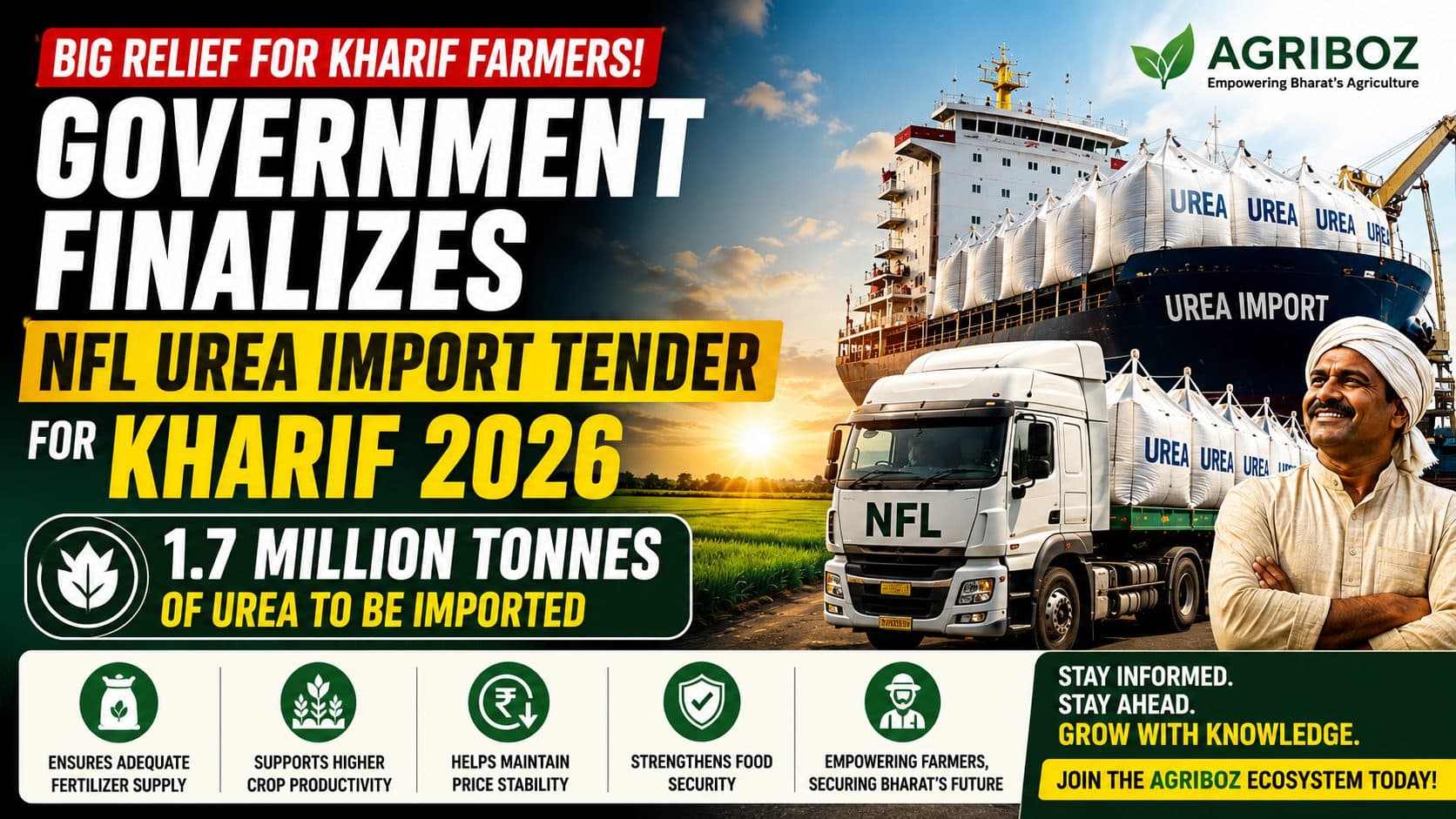
Government Finalizes NFL Urea Import Tender for Kharif 2026 | Impact on Farmers
India has moved to secure fertilizer supplies for the Kharif season by finalizing National Fertilizers Limited's tender to import 1.7 million tonnes of urea. The decision is expected to stabilize fertilizer availability, support crop production, and strengthen food security during a critical agricultural cycle.

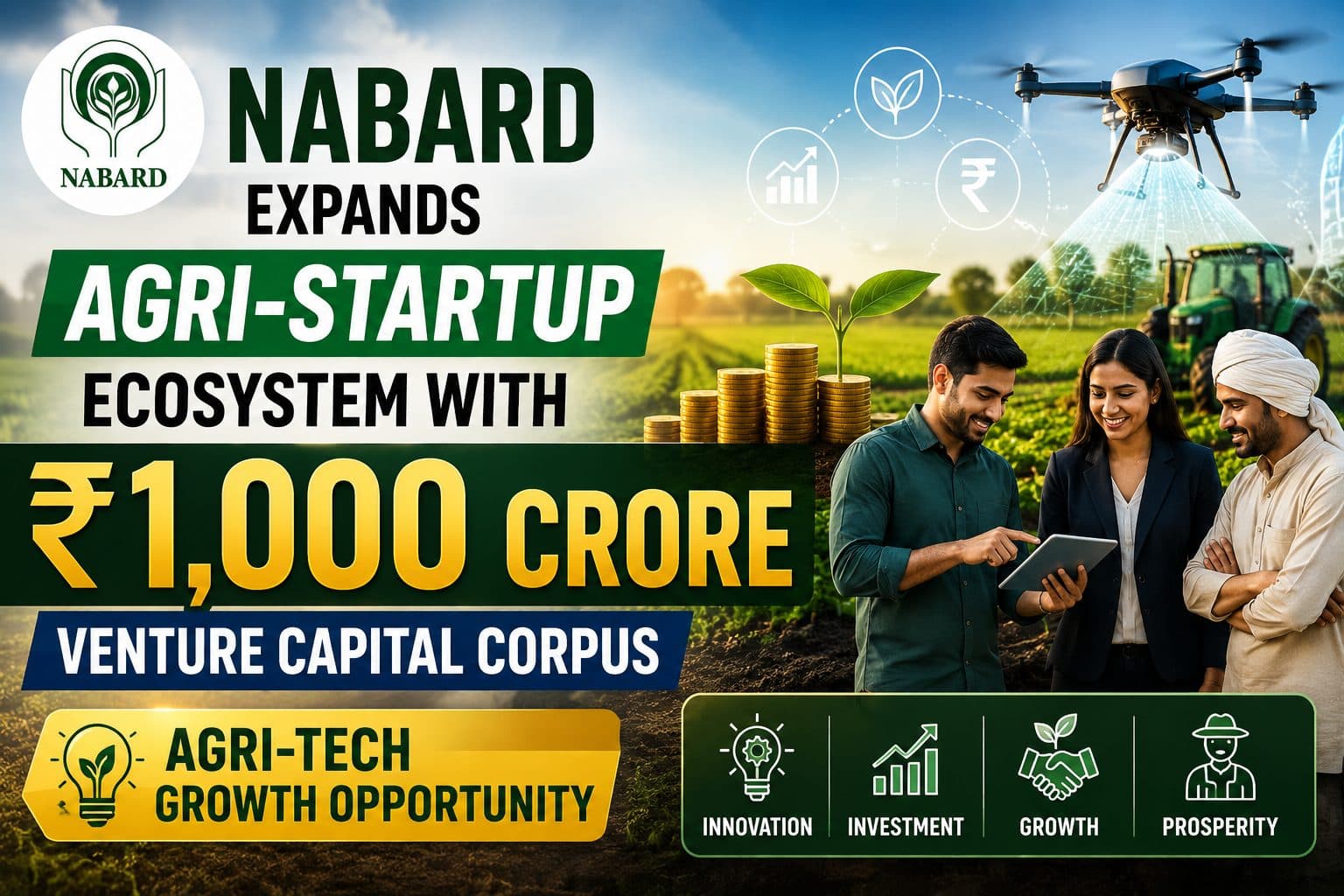
NABARD Expands Agri-Startup Ecosystem with ₹1,000 Crore Venture Capital Corpus | Agri-Tech Growth Opportunity
NABARD's new ₹1,000 crore venture capital corpus marks a significant milestone for India's agri-tech ecosystem. The initiative aims to accelerate innovation, support startups, strengthen rural entrepreneurship, and drive technology adoption across agriculture value chains.
How Buyers Actually Find You on AgriBoz (and How to Get More Leads)
Your Farm ID is your storefront. Here is exactly what buyers see, what makes them click I am Interested, and the five things that double your lead flow.
PM-KISAN in 2026: What Changed and How to Claim Your Instalment
A plain-language walkthrough of the latest PM-KISAN updates, eligibility, and the fastest way to make sure your Rs 6,000 reaches your account on time.
Natural Farming: A Practical Starter Guide for Small Family Farms
Lower input costs, healthier soil, and a premium that buyers will pay for. Here is how to begin the transition to natural farming without risking your season.