GI-Tagged Rewa Sundarja Mangoes: How Identity-Preserved Exports Are Delivering 50% Higher Farm-Gate Value
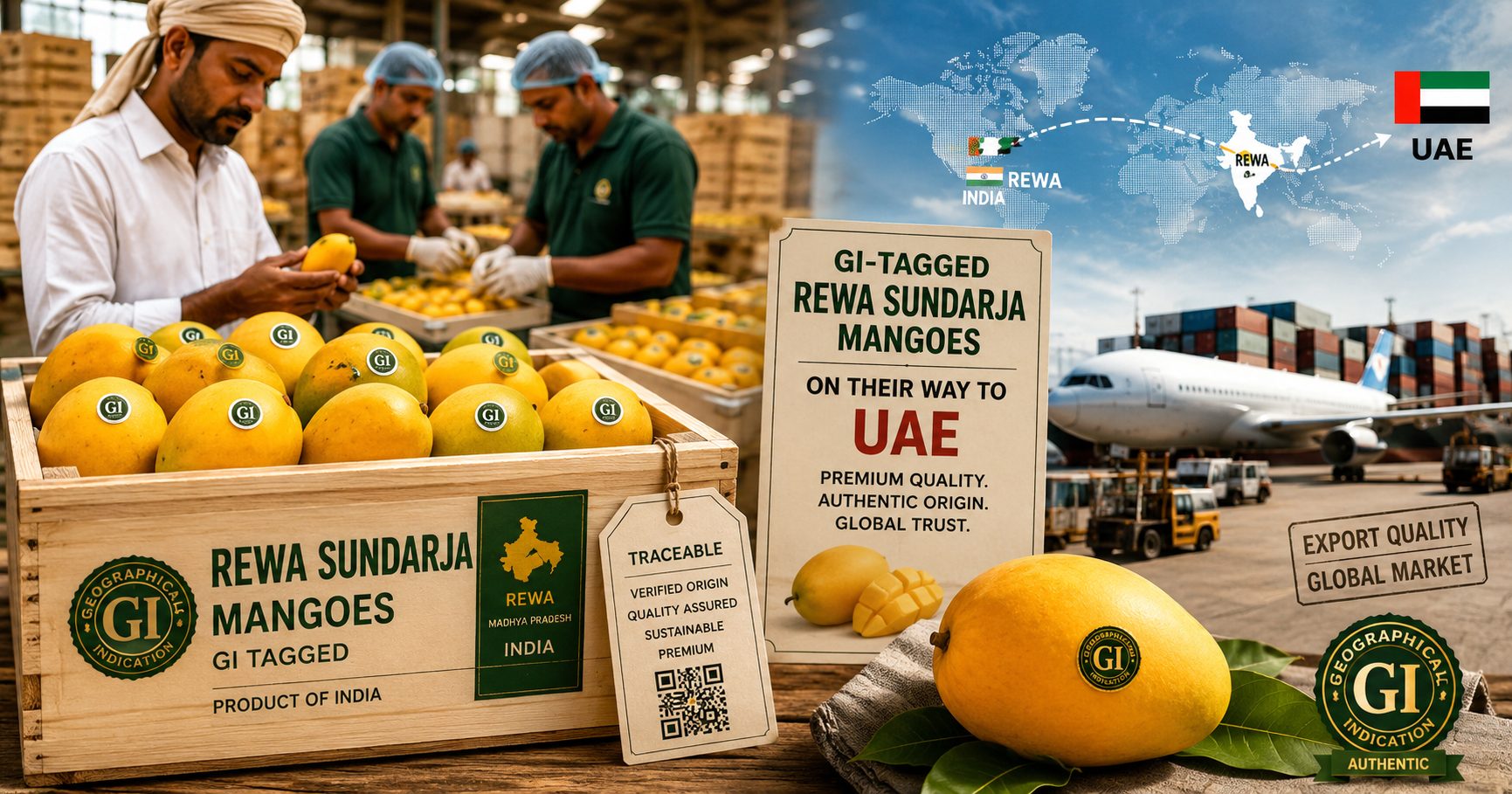
The export of GI-tagged Rewa Sundarja Mangoes to the UAE at ₹150 per kg versus a domestic benchmark of ₹100 per kg showcases the commercial power of identity-preserved agriculture. This milestone demonstrates how traceability, regional branding, and geographical indication protection can unlock premium international markets and significantly improve farmer income.
GI-Tagged Rewa Sundarja Mangoes: The Export Premium That Is Reshaping Agricultural Value Creation
Introduction
Indian agriculture has traditionally focused on volume. However, global buyers are increasingly rewarding identity, authenticity, traceability, and regional uniqueness. The recent commercial export flag-off of GI-tagged Rewa Sundarja Mangoes to the UAE by APEDA provides a powerful example of this transformation.
With procurement prices reaching approximately ₹150 per kg compared to a domestic benchmark of around ₹100 per kg, the transaction demonstrates that international buyers are willing to pay a premium of 40% to 50% for agricultural products with verifiable origin and distinct regional identity.
This development is more than a mango export story. It is a blueprint for how Indian farmers, FPOs, exporters, and agribusinesses can create higher value through identity-preserved agriculture.
The Problem with Commodity Agriculture
Competing Only on Price
Many agricultural products are sold as commodities. When products become interchangeable, buyers focus primarily on price.
This creates several challenges:
- Lower farmer profitability
- Weak brand recognition
- Limited market differentiation
- Reduced bargaining power
- Exposure to market volatility
The Cost of Being Generic
A mango may be nutritionally excellent, but if buyers cannot distinguish its origin or unique characteristics, it competes directly with dozens of similar varieties.
As a result, farmers often fail to capture the true value of their produce.
Understanding the Rewa Sundarja Mango Advantage
What Makes Rewa Sundarja Unique?
Rewa Sundarja Mango is known for its distinctive aroma, flavor profile, sweetness, and regional cultivation heritage.
Its unique characteristics are closely linked to the geography, climate, and traditional cultivation practices of the Rewa region.
The Power of GI Recognition
Geographical Indication (GI) status helps protect and authenticate products that derive their qualities from a specific region.
GI protection offers:
- Product authenticity
- Consumer confidence
- Brand differentiation
- Market exclusivity
- Enhanced export positioning
For international buyers, GI status acts as a quality assurance mechanism.
The Identity-Preserved Export Premium
What Happened?
APEDA facilitated the commercial export of GI-tagged Rewa Sundarja Mangoes to the UAE.
The reported procurement price reached approximately ₹150 per kg, significantly higher than the domestic benchmark of ₹100 per kg.
What Does the Premium Mean?
The numbers reveal an important market signal.
Instead of purchasing generic mangoes, buyers paid substantially more for:
- Traceable origin
- Verified authenticity
- Consistent quality
- Regional exclusivity
- Consumer appeal
This premium effectively demonstrates that agricultural identity has become a commercial asset.
Why Buyers Are Paying More
International consumers increasingly value:
- Authentic food stories
- Regional specialties
- Traceability
- Premium experiences
- Food safety assurance
As a result, identity-preserved products command stronger pricing power.
How Traceability Is Becoming a Competitive Advantage
From Farm to Consumer
Modern agricultural trade is evolving toward transparency.
Buyers want to know:
- Where products were grown
- Who produced them
- How they were cultivated
- Whether quality standards were maintained
Building Trust Through Data
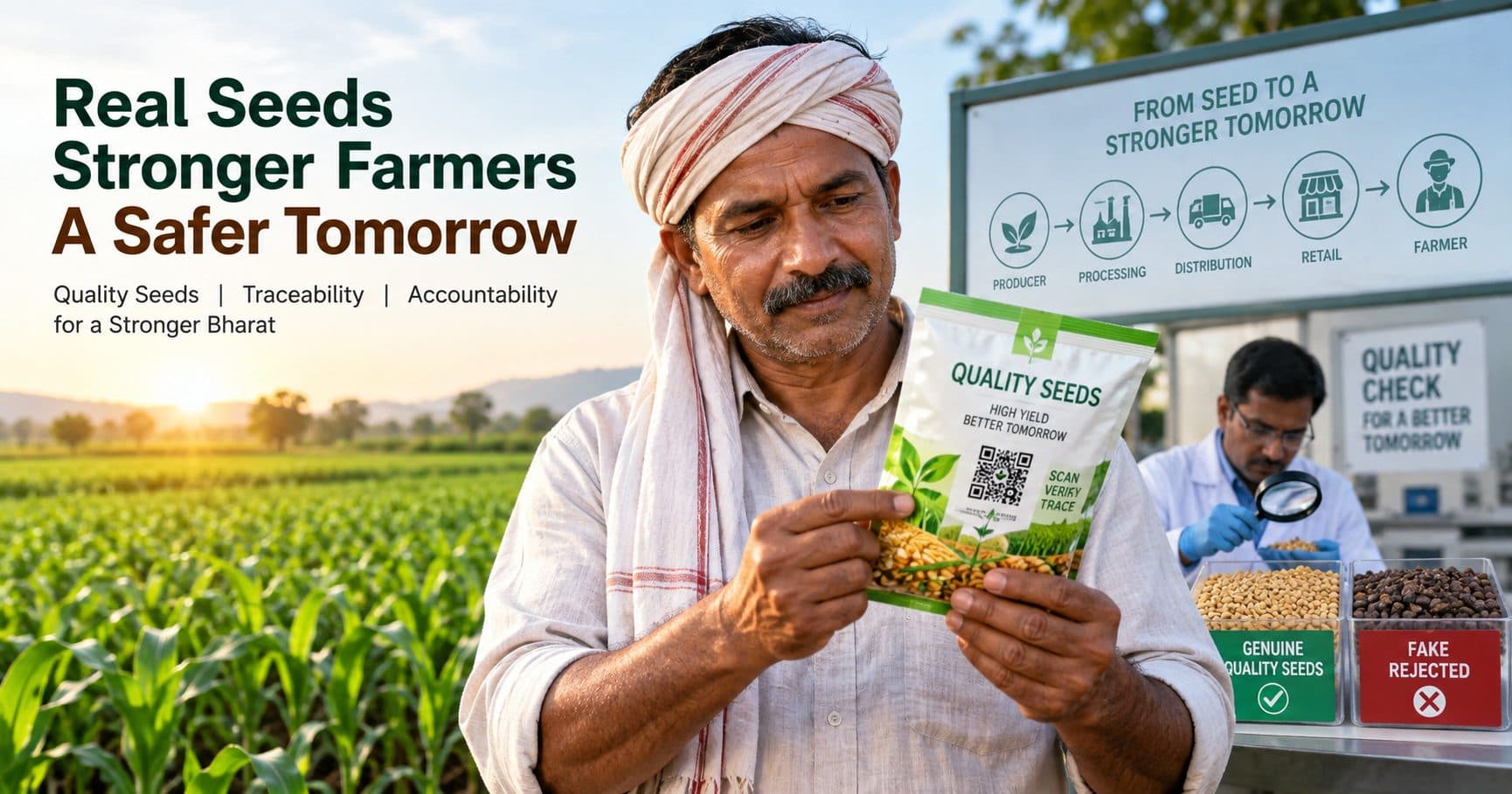
Traceability systems help establish trust across the supply chain.
Benefits include:
- Better export acceptance
- Reduced fraud risk
- Stronger buyer relationships
- Premium pricing opportunities
For GI products, traceability strengthens the authenticity narrative that drives consumer demand.
Opportunities for Indian Farmers
Moving Beyond Yield-Centric Thinking
Increasing yield alone does not always maximize profitability.
Farmers must also focus on:
- Product differentiation
- Branding
- Certification
- Market access
- Export readiness
Monetizing Regional Identity
India possesses hundreds of region-specific agricultural products with unique characteristics.
These include:
- Fruits
- Spices
- Millets
- Traditional crops
- Specialty foods
Many of these products have the potential to achieve premium pricing similar to the Rewa Sundarja Mango.
The Role of FPOs and Agribusinesses
Creating Export-Ready Supply Chains
Farmer Producer Organizations can play a critical role in:
- Aggregation
- Quality control
- Traceability management
- Certification support
- Market linkage development
Strengthening Negotiation Power
Collective marketing allows producers to:
- Access larger buyers
- Meet export standards
- Secure better contracts
- Capture higher value
The Rewa Sundarja case highlights the importance of organized value chains.
What This Means for India's Agricultural Export Future
Premiumization Is the Next Growth Engine
Global agricultural markets are shifting from quantity-based competition to value-based competition.
Products that demonstrate:
- Origin authenticity
- Consistent quality
- Sustainability
- Traceability
are increasingly outperforming generic commodities.
Building Global Brands from Local Agriculture
India has a significant opportunity to convert regional agricultural products into globally recognized premium brands.
The success of GI-tagged exports can:
- Increase farmer incomes
- Strengthen rural economies
- Enhance export earnings
- Promote regional agricultural heritage
Conclusion
The export of GI-tagged Rewa Sundarja Mangoes to the UAE represents a significant milestone for identity-preserved agriculture in India. The procurement premium of approximately 40% to 50% demonstrates that global buyers are willing to pay more for authenticity, traceability, and regional uniqueness.
For farmers, FPOs, exporters, and agribusinesses, the lesson is clear: agricultural identity is becoming as valuable as agricultural production itself. Those who successfully combine quality, traceability, and regional branding will be better positioned to capture premium markets and sustainable profitability.
Register on https://www.agriboz.com
AGRIBOZ CTA
Explore the Agriculture Intelligence Platform of Bharat - AGRIBOZ
Whether you are a farmer, exporter, agripreneur, FPO leader, trainer, or agribusiness professional, AGRIBOZ helps you stay ahead with market intelligence, agricultural opportunities, expert knowledge, workshops, ecosystem networking, and growth-focused insights.
Register on https://www.agriboz.com
Explore the Agriculture Intelligence Platform of Bharat - AGRIBOZ
Discover agricultural intelligence, export opportunities, expert-led workshops, farm innovation insights, business networking, and growth resources designed for farmers, FPOs, agripreneurs, exporters, trainers, and ecosystem partners.
Register on https://www.agriboz.com
Q1. What is a GI-tagged agricultural product? A GI-tagged product possesses qualities or a reputation linked to a specific geographical region and is protected under Geographical Indication laws.
Q2. Why did Rewa Sundarja Mangoes receive a higher price? The premium was driven by traceability, regional authenticity, GI recognition, and buyer demand for differentiated products.
Q3. What is identity-preserved agriculture? Identity-preserved agriculture ensures that a product's origin, quality, and supply chain attributes remain verified and traceable throughout the marketing process.
Q4. How much premium was observed in the Rewa Sundarja Mango export? The procurement price of approximately ₹150 per kg versus a domestic benchmark of ₹100 per kg reflects a premium of around 40% to 50%.
Q5. How can farmers benefit from GI and traceability systems? These systems can improve market access, strengthen buyer trust, enhance branding, and potentially increase farm-gate prices.
Q6. Can other Indian crops achieve similar export premiums? Yes. Many region-specific fruits, spices, millets, and specialty agricultural products have the potential to command premium pricing when supported by branding, traceability, and market development.